



Ref : NISTAKE3
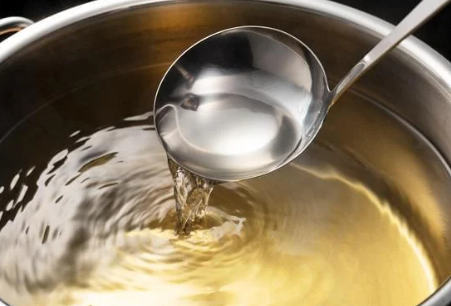
Dashi refers to a group of broths that can be prepared by infusing various ingredients in cold or lukewarm water. Best-known dashi is made with infused kombu seaweed. As for strong flavors, most famous are those made by extracting flavor from dried bonito flakes, dried sardines, dried shiitake mushrooms...
What all dashi have in common is their incomparable umami flavor. Roughly translated as "delight" in Japanese, umami is that rich, savory, coating quality that lingers on tongue and makes certain foods so irresistibly delicious. Shiitake mushrooms contain guanylic acid, which is one of "umami" tastes.
Along with glutamic acid from kombu and inosinic acid from dried bonito flakes, they are the three main components of umami. Shiitake mushrooms are said to have been introduced to Japan from China by Tang dynasty envoys 1,000 years ago. However, volume of production, which was around 15,000 tonnes at the start of the Showa period (1926-1989), is now around 2,300 tonnes, as consumption has dropped considerably from 200 g to 40 g per person per year.
Industry is now under pressure to undergo a major reform if it is not to disappear. Quality shiitake in Japan is grown on coniferous trees such as Japanese cedar, or on oak trunks, and grows in mountains for two years. Shiitake production is linked to mountain management and protection.
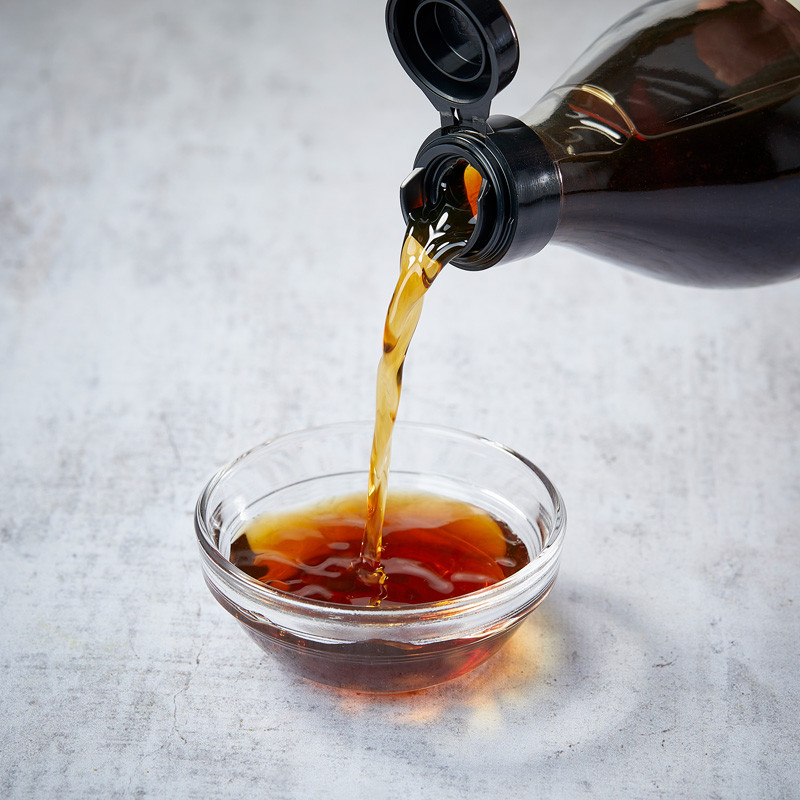
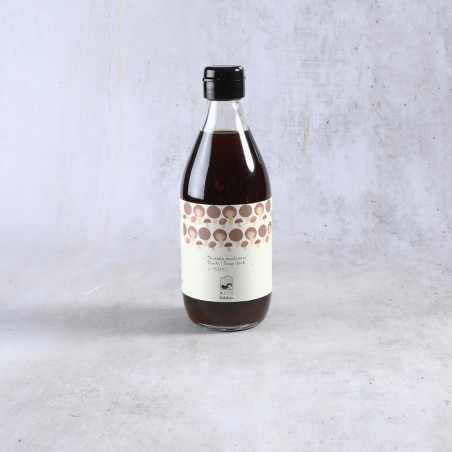
Shiitake dashi offered here is concentrated and made from the finest whole shiitake mushrooms (including the stems) grown on cedar or oak trunks. It gives off characteristic aromas, with woody, almost smoky notes.
Palate is gourmet, with a fine balance of saltiness and sweetness, almost toasty accents reminiscent of toasted cereals, and a hint of meatiness. Ideal for seasoning risottos, sauces, poaching broths, meat, vegetable or fish tartars, omelettes...
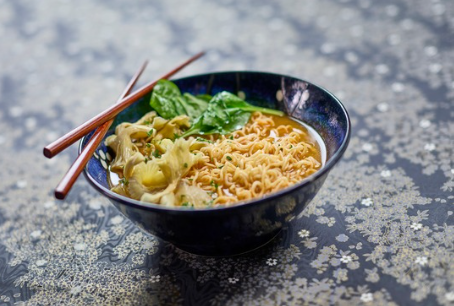
Diluted at a rate of 1 part dashi to 5 to 10 parts water, it can be used to cook rice or vegetables. It is said that the addition of umami creates a synergistic effect that makes product tastier. Dashi is highly compatible with both Japanese and Western cuisine.
One of theis dashi characteristics is that it contains no animal products. The addition of just a little dashi will give your dishes depth and make them even tastier than usual. Of course, we also recommend drinking it with hot water. This vegetarian broth contains no additives, colorants or preservatives.
Data sheet
 CORINNE V.

A delight in my miso, flavoured to perfection (Translated review)
Camille S.
A first experience, very good, the rice is even better with (Translated review)
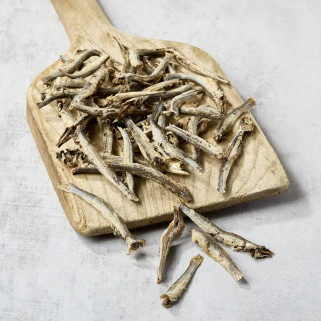
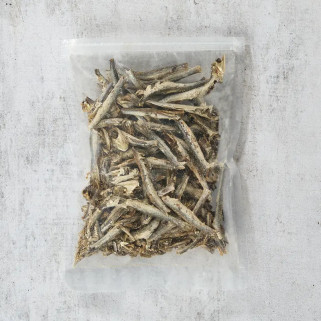
Dashi refers to a group of broths that can be prepared by infusing various ingredients in cold or lukewarm water. Best-known dashi is made with infused kombu seaweed. As for strong flavors, most famous are those made by extracting flavor from dried bonito flakes, dried sardines, dried shiitake mushrooms...
What all dashi have in common is their incomparable umami flavor. Roughly translated as "delight" in Japanese, umami is that rich, savory, coating quality that lingers on tongue and makes certain foods so irresistibly delicious. Shiitake mushrooms contain guanylic acid, which is one of "umami" tastes.
Along with glutamic acid from kombu and inosinic acid from dried bonito flakes, they are the three main components of umami. Shiitake mushrooms are said to have been introduced to Japan from China by Tang dynasty envoys 1,000 years ago. However, volume of production, which was around 15,000 tonnes at the start of the Showa period (1926-1989), is now around 2,300 tonnes, as consumption has dropped considerably from 200 g to 40 g per person per year.
Industry is now under pressure to undergo a major reform if it is not to disappear. Quality shiitake in Japan is grown on coniferous trees such as Japanese cedar, or on oak trunks, and grows in mountains for two years. Shiitake production is linked to mountain management and protection.

ALCOHOL ABUSE IS DANGEROUS FOR YOUR HEALTH. CONSUME IN MODERATION. CONSUMING ALCOHOLIC BEVERAGES DURING PREGNANCY, EVEN IN SMALL QUANTITIES, CAN HAVE SERIOUS CONSEQUENCES FOR THE HEALTH OF THE CHILD.


FAQ