The making of binchotan charcoal
The production of binchotan takes 20 days. Wood cut in the mountains is sectioned into 170 cm logs. It is then placed in a kiln made of earth and bricks, called a "baï." The wood is added, and the fire is lit. The kiln door is then closed, reducing the oxygen supply. There is almost no combustion; the green wood will dry and dehydrate slowly over 10 days.
Then, the fire is activated while still limiting the oxygen supply. Combustion occurs at a low temperature. This stage is called carbonization and lasts about 10 days. The kiln temperature then reaches up to 1300°C or more. At the end of these last 10 days, the kiln door is opened. Air enters and fuels the combustion. This crucial step is called activation or "kamadashi." The temperature at the kiln’s entrance can easily reach 600 to 700°C.
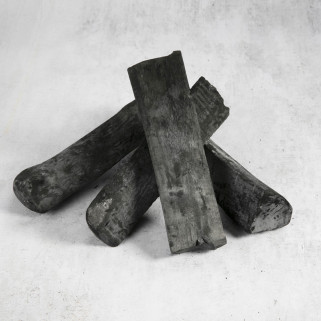
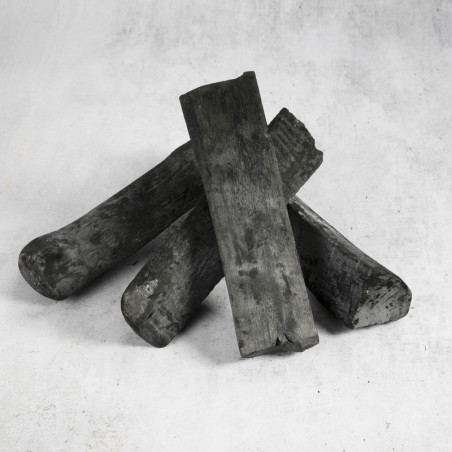
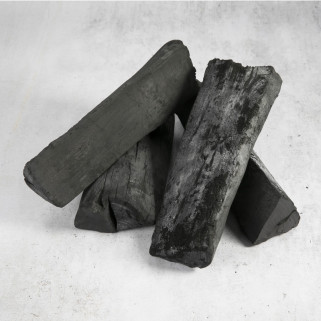
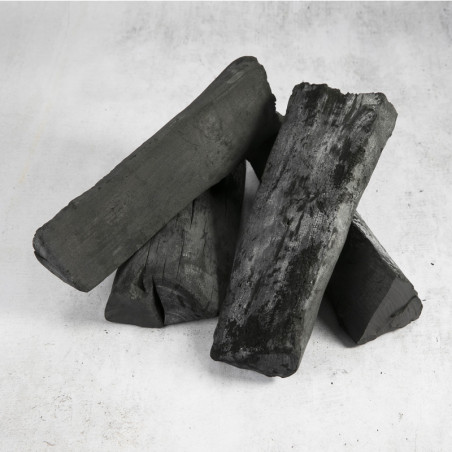
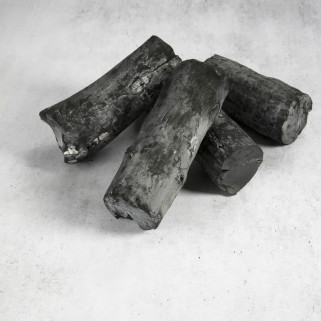
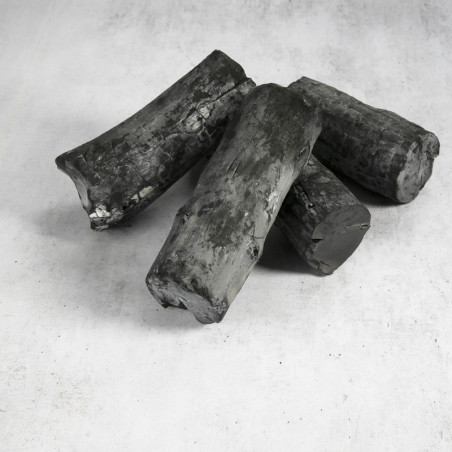
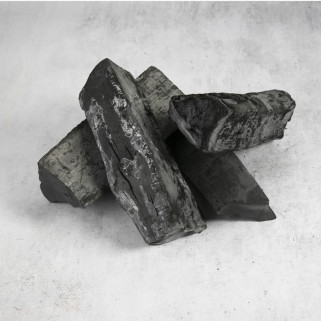
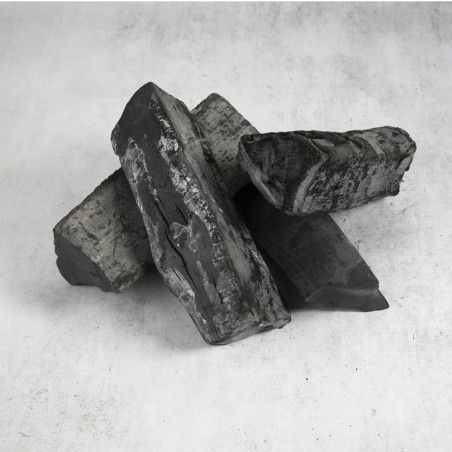
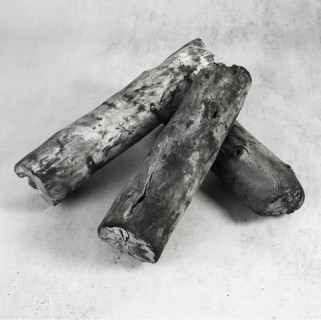
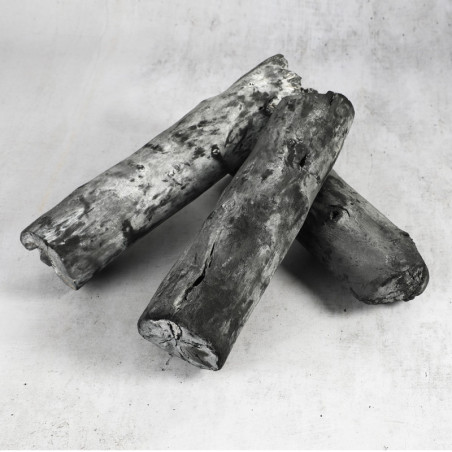
It then takes 12 hours of labor to empty the red-hot kiln using special poles. Binchotan charcoal is born, almost pure carbon. When struck, it produces a metallic, almost crystalline sound. Binchotan is commonly called white charcoal due to its whitish surface. This is caused by rapid cooling upon removal from the kiln, as it is covered with a light grayish mixture of earth, sand, and ash. This method stops its incandescence.
After this process, binchotan charcoal is often used in specific contexts, such as air purification or cooking refined dishes. In Japan, it is highly valued for its ability to burn for long periods at high temperatures, with a stable flame and minimal smoke emission. It can also be used in craftsmanship for applications requiring gentle and consistent heat. Binchotan thus retains an important place in various cultural and industrial practices, where its rarity and unique characteristics give it great value.
What are the benefits of binchotan charcoal ?
Beyond its cooking qualities, binchotan has many daily benefits. It can absorb bad odors and moisture from a room, creating a healthier environment. It also improves blood circulation when placed in a living space while purifying drinking water. Additionally, it acts as a natural repellent against termites and other moisture-loving insects, making it a valuable ally in daily life. With zero humidity, zero smoke, and no odor, binchotan is an essential choice for healthy cooking and a pleasant atmosphere.
Binchotan charcoal at Nishikidôri
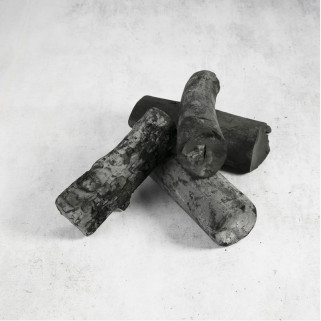
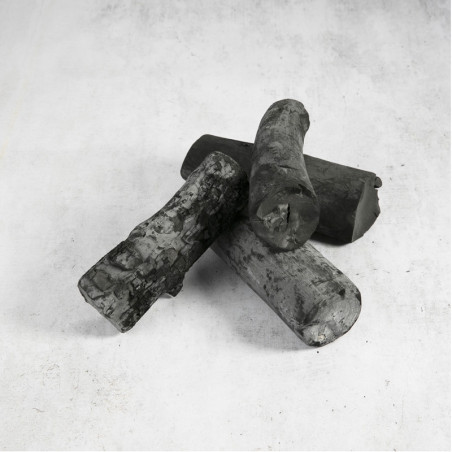
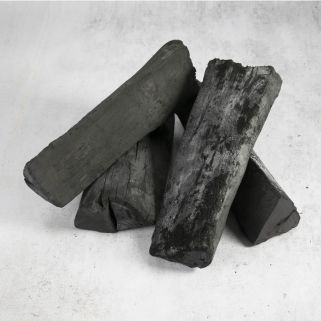
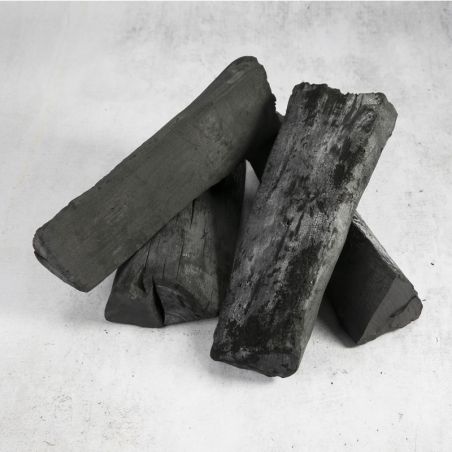
Our binchotan charcoal comes from Laos. Lao Aramushou binchotan charcoal is made from the wood of the brindon tree, Cratoxylum pruniflorum, from the Hypericaceae family. This charcoal is of excellent quality, with slightly lower density and calorific power than Japanese binchotan. The production method is identical to that of Japanese binchotan. The founders of the company in Laos were trained in Kôchi (Tosa) in the production of Lao binchotan and the construction of kilns.
For comparison, the hardness of japanese binchotan is between 17 and 20 degrees, whereas Lao binchotan ranges from 16 to 18 degrees. For its Lao Binchotan, our supplier obtained a special authorization from the Japanese Patent Office for the manufacturing process of Lao binchotan charcoal from the Lao Cratoxylum pruniflorum tree, ensuring that the resulting charcoal meets the required characteristics of Japanese binchotan.
This partnership and innovative manufacturing method create an exceptional quality charcoal that combines Japanese binchotan traditions with Laos' natural resources, guaranteeing a unique and high-performance product, suitable for various uses while maintaining an environmentally respectful approach.