





Ref : NISKKM16
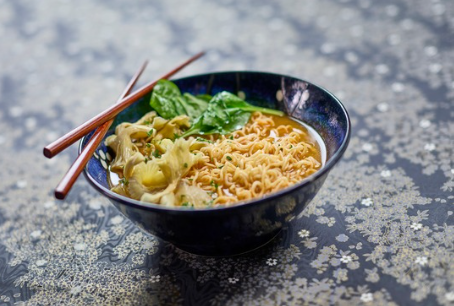
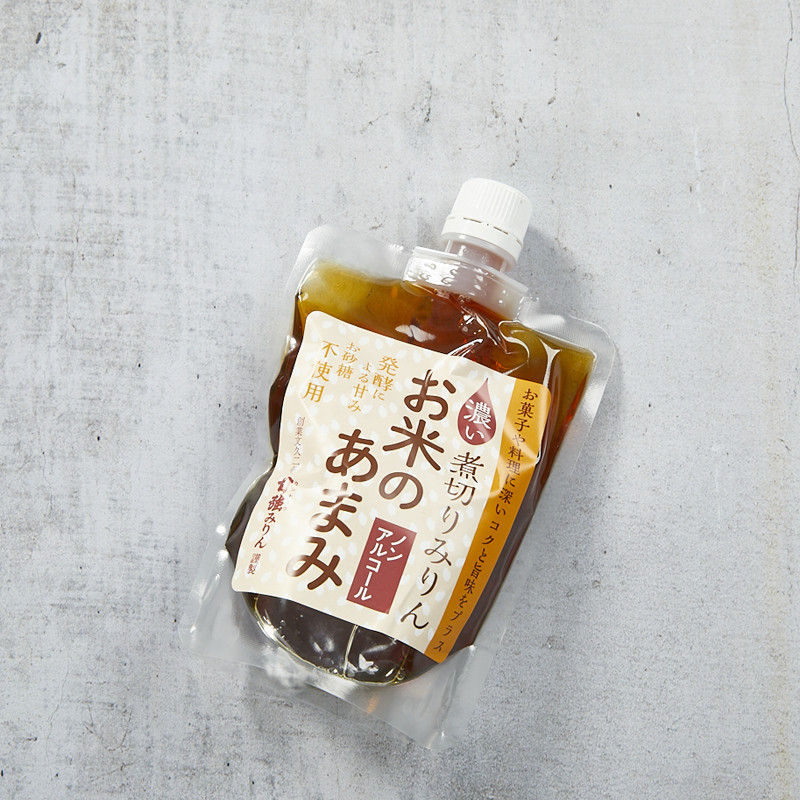
Alcohol-free mirin is already a hit with pastry chefs, ice-cream makers, chocolatiers, cooks and cocktail specialists... Alcohol-free mirin is magnificent for deglazing shrimps, foie gras escalopes, scallops, root vegetables, pan-fried apples and pears...
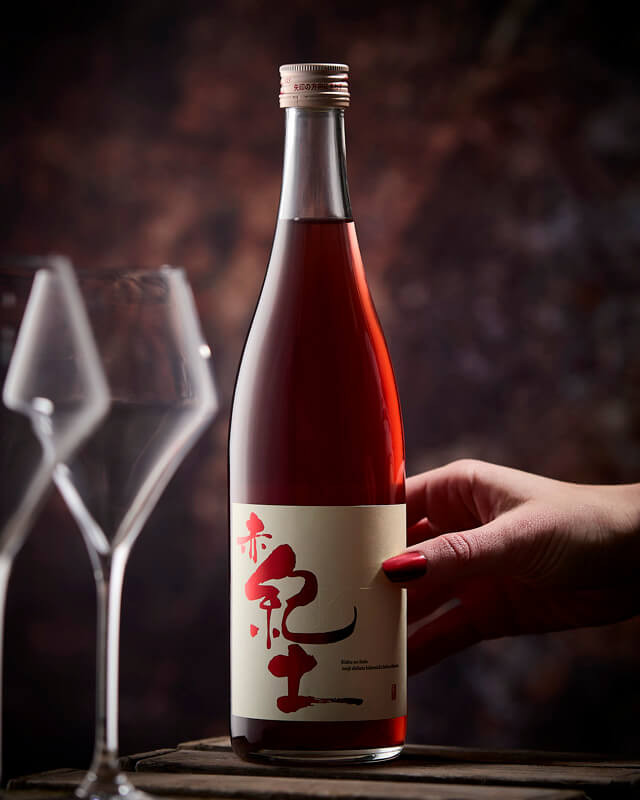
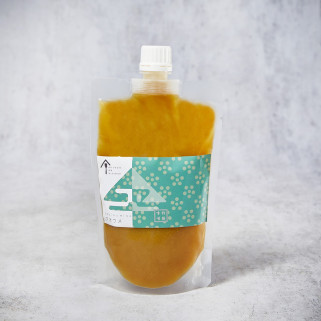
Non-alcoholic mirin is an innovative product, brought to the market by our artisan Kankyo Shuzo.
He has been brewing mirin in the town of Kanie, Aichi prefecture, since 1862.
Mirin is made from rice and shochu distilled alcohol. Kankyo Shuzou uses locally grown rice. Rice is a key element in determining taste, like body and acuity. As for shochu, mirin brewers generally buy shochu from distillers, but Kankyo Shuzou brews its own shochu to make its mirin. Thanks to these high-quality ingredients, Kankyo Shuzou makes its products during the cold season, which is the best production period.
As a rule, sugar syrup is added to the mirin to speed up the process. However, Kankyo Shuzou does not use any food additives. Production takes much longer, but the flavor of the final product is more natural and purer.
To remove alcohol from the mirin produced, it is rapidly heated so that alcohol evaporates.
Result is surprising: a delicate, sweet drink that preserves mirin all aromas and flavours, but without alcohol, with notes of caramel, maple, honey, agave, cocoa, mocha and vanilla.
Data sheet
Alcohol-free mirin is already a hit with pastry chefs, ice-cream makers, chocolatiers, cooks and cocktail specialists... Alcohol-free mirin is magnificent for deglazing shrimps, foie gras escalopes, scallops, root vegetables, pan-fried apples and pears...

ALCOHOL ABUSE IS DANGEROUS FOR YOUR HEALTH. CONSUME IN MODERATION. CONSUMING ALCOHOLIC BEVERAGES DURING PREGNANCY, EVEN IN SMALL QUANTITIES, CAN HAVE SERIOUS CONSEQUENCES FOR THE HEALTH OF THE CHILD.


FAQ