





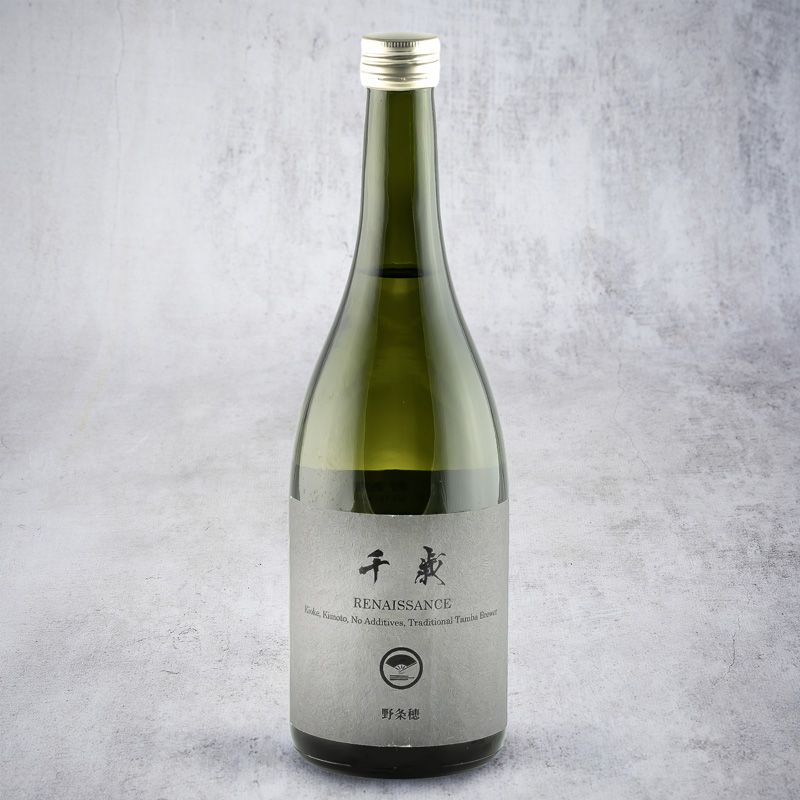

Ref : NISDIO21
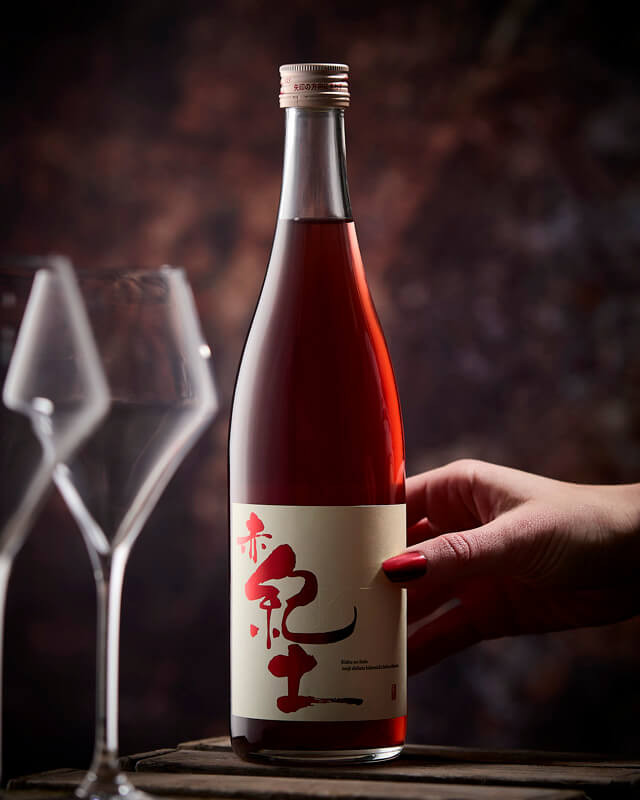
"Nojyoho" rice used to make this sake was born in Hyogo in 1933. At one time it was so popular that it was considered one of the two most popular varieties, along with Yamada-Nishiki, but it disappeared in the 1960s due to its high stature and difficulties in cultivation.
It was revived in 2001. It is a rare variety used by only two breweries in Japan at present. It has a characteristic wild taste with sweet, sour, spicy, bitter and astringent flavors, which are the five key elements of sake taste.
Vats used for brewing operations are not the modern metal vats used by the general public, but traditional Japanese wooden vats. Wooden vats are traditional fermentation vessels that have long supported Japan's world-class fermentation culture. By using these organic fermentation vessels, the various micro-organisms that have settled in the brewery over its long history are guided into the main fermentation process, producing the unique, mellow flavor of this sake.
In order to produce this sake, brewing method used utilizes the lactic acid bacteria in the brewery without adding lactic acid during the brewing process, with the goal of achieving an unadulterated sake brew. The bacteria that have lived in the brewery over its long history and the brewers work in symbiosis to ferment the ingredients in about three times the usual number of days.
This sake expresses subtle aromas of apple, pear, red fruit and Japanese medlar. It is a dry sake with fruity notes, reminiscent of apple and muscat grapes. You will appreciate the good balance of umami, bitterness (walnut), astringency and acidity, with a subtle woody taste (due to fermentation in wooden barrels).
Our perfect pairings : This sake goes well with old and root vegetables (crosnes, parsnips, Jerusalem artichokes, black radish, etc.) and creamy sauces (blanquette, beef tongue, poultry breast slices with cream, etc.).
Data sheet
"Nojyoho" rice used to make this sake was born in Hyogo in 1933. At one time it was so popular that it was considered one of the two most popular varieties, along with Yamada-Nishiki, but it disappeared in the 1960s due to its high stature and difficulties in cultivation.

ALCOHOL ABUSE IS DANGEROUS FOR YOUR HEALTH. CONSUME IN MODERATION. CONSUMING ALCOHOLIC BEVERAGES DURING PREGNANCY, EVEN IN SMALL QUANTITIES, CAN HAVE SERIOUS CONSEQUENCES FOR THE HEALTH OF THE CHILD.


FAQ