







Ref : NISAE6-DOSHO
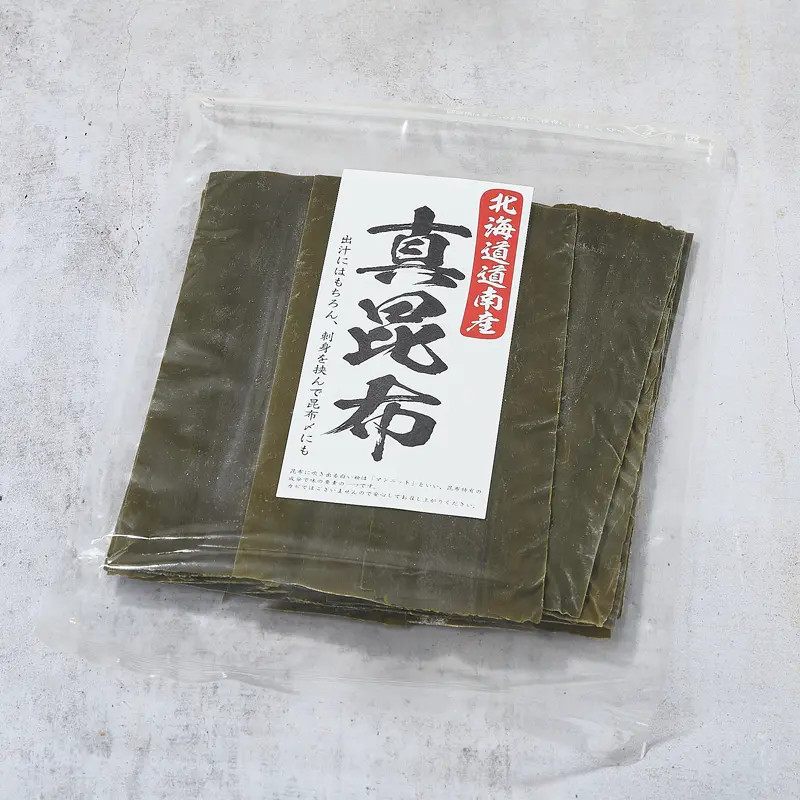
Ma kombu is the most popular and widely used kombu in Japan. It is a high-quality kombu. Ma kombu leaves are light brown, 1 to 8 meters long and 13 to 30 cm wide. Lower parts are wide and taper towards the stem. With its wide, thick leaves, it is the most prized.
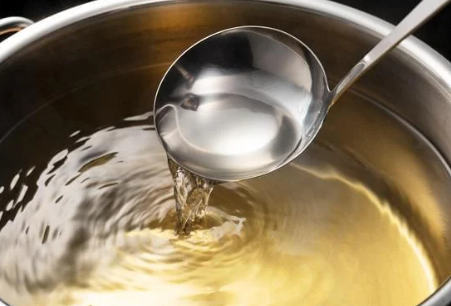
It has a refined sweetness. It is much milder than Rishiri kombu and ideal for making clear dashi broth. Japanese chefs also use it a lot to cover and marinate foie gras with miso, fresh fish fillets and vegetables. Relatively wide and thick, dark brown in color, it is also perfect for making tsukudani.
Ma kombu is used to make high-quality dashi broths; it is also suitable for making shio-kombu (salt kombu), oboro-kombu (thin dried slices of kombu) or tororo-kombu (dried planed kombu).
Please note:
Very often, a whitish powdery substance may form on the surface of kombu or wakame seaweed. This is not mould but ‘mannitol’ contained in the seaweed. Mannitol is a type of sugar alcohol naturally present in seaweed, and it is the true identity of the white powder that appears on the surface of kelp.
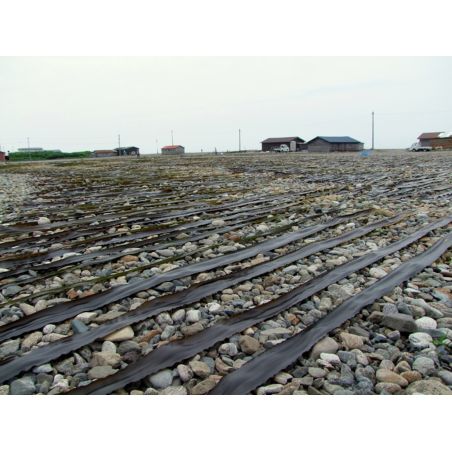
Mannitol seeps to the surface with moisture during the seaweed drying process, and when the moisture evaporates, it adheres in the form of a white powdery substance. This white powder gives dashi a lot of flavour!
Nippons chiefs also use it a lot to cover and marinate foil foam fresh fish, vegetables. Relatively wide and thick, dark brown, it is also ideal for making Tsukudanis.
My Kombu is used to make superior quality Dashi broths; It is also indicated for the manufacture of the Kombu (salt kombu), obalo-kombu (fine kombu lecheas) or tororo-kombu (dried pool kombu).
Data sheet
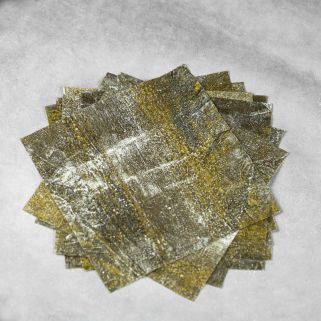
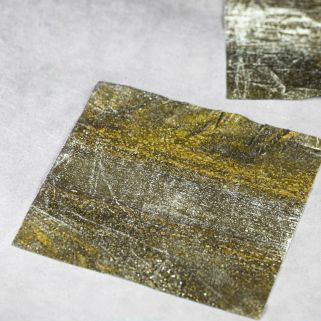
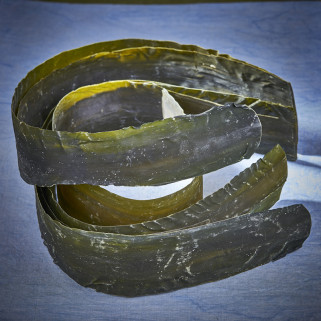
Ma kombu is the most popular and widely used kombu in Japan. It is a high-quality kombu. Ma kombu leaves are light brown, 1 to 8 meters long and 13 to 30 cm wide. Lower parts are wide and taper towards the stem. With its wide, thick leaves, it is the most prized.
It has a refined sweetness. It is much milder than Rishiri kombu and ideal for making clear dashi broth. Japanese chefs also use it a lot to cover and marinate foie gras with miso, fresh fish fillets and vegetables. Relatively wide and thick, dark brown in color, it is also perfect for making tsukudani.
Ma kombu is used to make high-quality dashi broths; it is also suitable for making shio-kombu (salt kombu), oboro-kombu (thin dried slices of kombu) or tororo-kombu (dried planed kombu).
Please note:
Very often, a whitish powdery substance may form on the surface of kombu or wakame seaweed. This is not mould but ‘mannitol’ contained in the seaweed. Mannitol is a type of sugar alcohol naturally present in seaweed, and it is the true identity of the white powder that appears on the surface of kelp.
Mannitol seeps to the surface with moisture during the seaweed drying process, and when the moisture evaporates, it adheres in the form of a white powdery substance. This white powder gives dashi a lot of flavour!

ALCOHOL ABUSE IS DANGEROUS FOR YOUR HEALTH. CONSUME IN MODERATION. CONSUMING ALCOHOLIC BEVERAGES DURING PREGNANCY, EVEN IN SMALL QUANTITIES, CAN HAVE SERIOUS CONSEQUENCES FOR THE HEALTH OF THE CHILD.


FAQ