


Ref : NISAE2
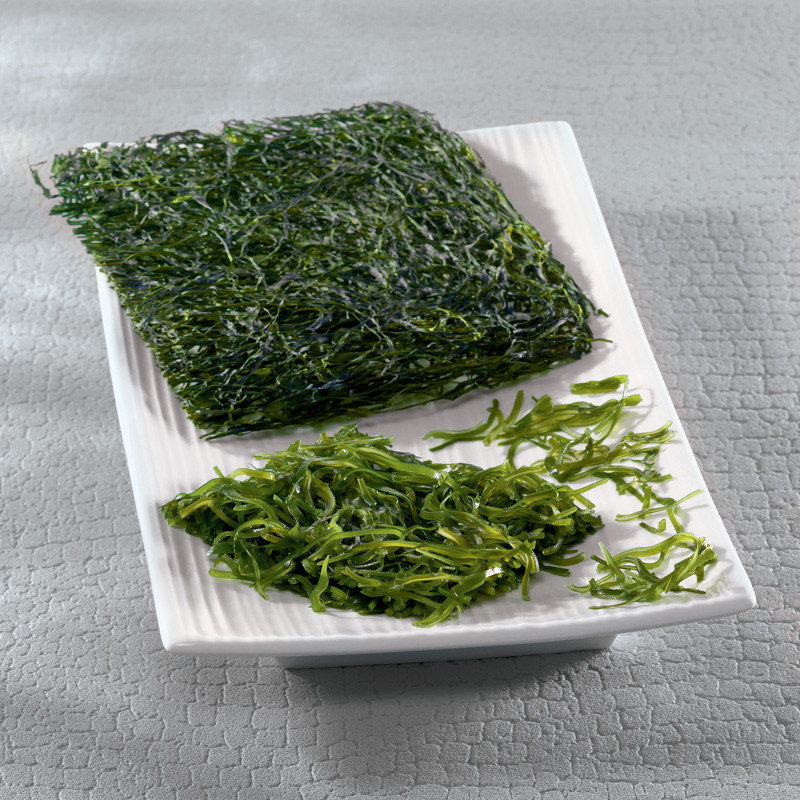
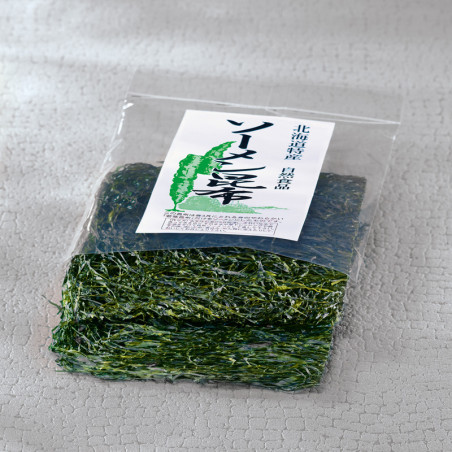
Sômen Kombu, a real sea delight, are very young spring seaweeds, of just a year old.
Harvested before maturity in March, they are washed and quickly blanched, thinly chopped and dried very quickly at high temperature. They keep very pleasant texture and crunchiness.
Our perfect combination : dipped in cold or warm water for 5 to 10 minutes, rinsed and drained, they find the color, crispness and intact flavors of fresh seaweed.
- as rehydrated, seasoned with yuzu ponzu soy sauce and grated ginger, red shiso rice vinegar, rice vinegar with agave syrup (plain or mikan juice or sudachi juice), vinegar of nature or honey
- as rehydrated, seasoned with a delicious vinaigrette created by us, mix half vinegar kanisu and roasted rapeseed oil
- as, rehydrated, for your mixed salads
- rehydrated, pan-fried with other vegetables
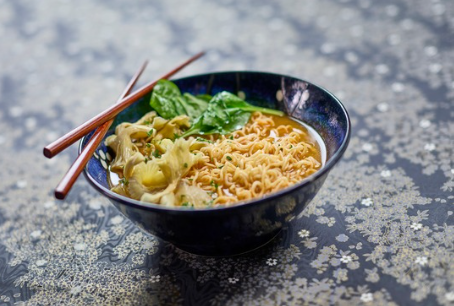
- rehydrated, as an accompaniment to your noodles (sautéed or not)
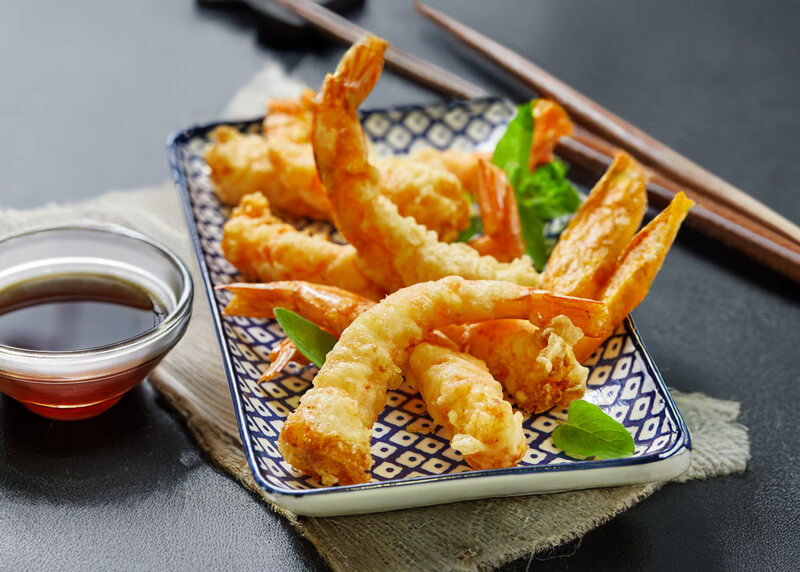
- rehydrated, fried in tempura or enrobing fish for frying
Data sheet
 ASSOCIATION ESAN
It is to supply local seafood directly to consumers, at a reasonable price while at the same time preserving their flavour and freshness.
Hakodate town and the cuisine of Hokkaido ( Japan's northern isle) are renowned for their abundance of fresh seafood. Kombu seaweed and cuttlefish are particularly well appreciated in Japan. Makombu (Laminaria japonica areschoug) seaweed was traditionally considered as a luxury product for the shogunats (Japanese military governments from the end of the 12th century to the Meiji period -1868).
Nowadays, numerous tourists visit Hakodate market throughout the day, looking for this divine flavour. Mount Esan, an active volcano, overlooks the town of Hakodate. From its heights there is a magnificent panorama: a vast stretch of bluish sea and in spring its slopes are covered by some 600 000 flamboyant red azaleas.
The area of Esan, in Hakodate, is renowned for its seaweed production : Makombu (Laminaria japonica areschoug) and Kagome Kombu (Kjellmaniella crassifolia Miyabe ).
In summer during the drying period, their smells and fragrances deliciously invade the township. The richness of the natural marine resources of Esan influenced a massive immigration of wajins ( a Japanese people) 400 years ago.
The presence of two currents off Esan, one hot the other cold, has helped develop the fishing industry. Delicious firm fleshed fish and seaweed are abundant there.
The seaweed, pushed by vigorous waves, is harvested by hand from spring to autumn in the early morning, and then washed and dried in the sun.
 Anne P.

Perfect! (Translated review)
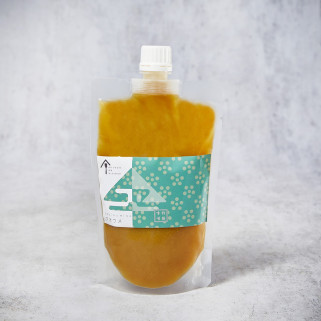
Sômen Kombu, a real sea delight, are very young spring seaweeds, of just a year old.

ALCOHOL ABUSE IS DANGEROUS FOR YOUR HEALTH. CONSUME IN MODERATION. CONSUMING ALCOHOLIC BEVERAGES DURING PREGNANCY, EVEN IN SMALL QUANTITIES, CAN HAVE SERIOUS CONSEQUENCES FOR THE HEALTH OF THE CHILD.


FAQ