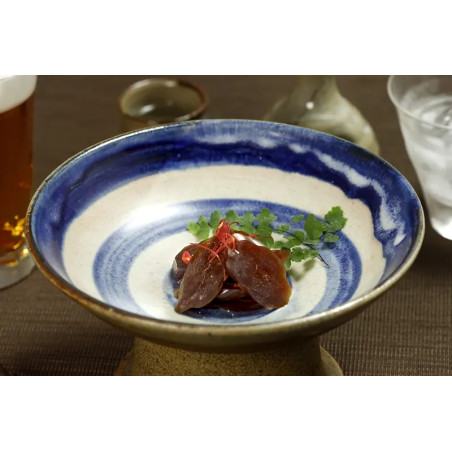
Brand's products Salon Narazuke Abe
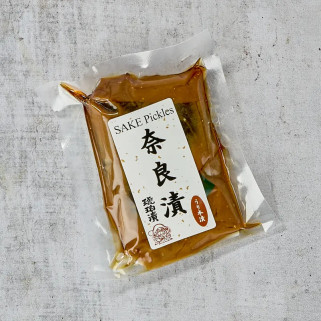
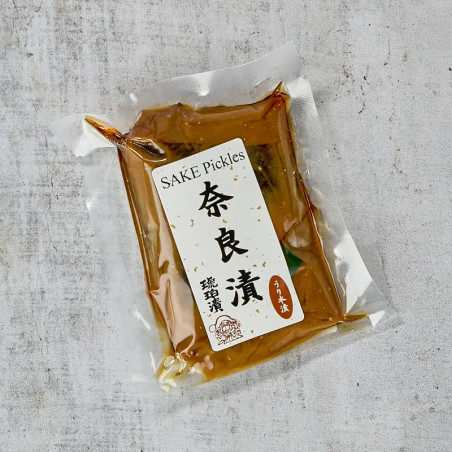
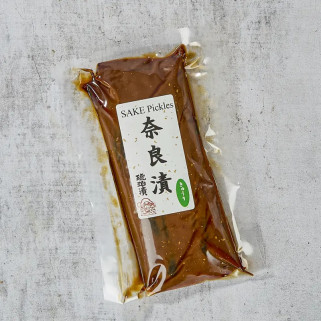
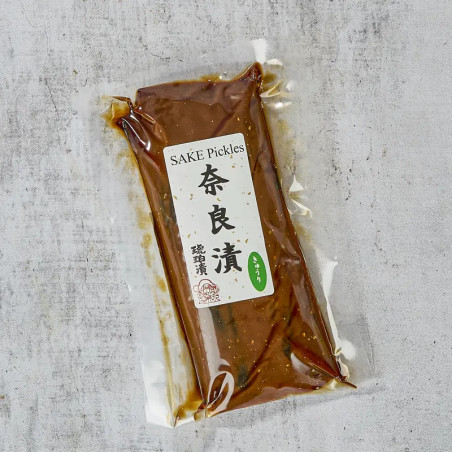
Salon Abe Narazuke
Narazuke is produced in Fukuoka Prefecture, Kyushu, Japan.
Abe Narazuke Salon was founded in 1986, when current president’s mother began selling her homemade fermented vegetables, narazuke, while managing several gas stations. Company has since specialized in the exclusive production of narazuke and has withdrawn from the gas station business.
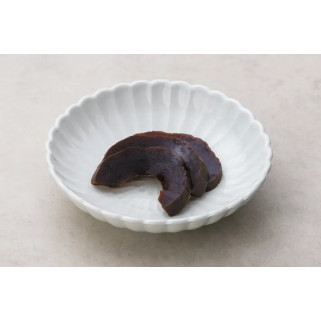
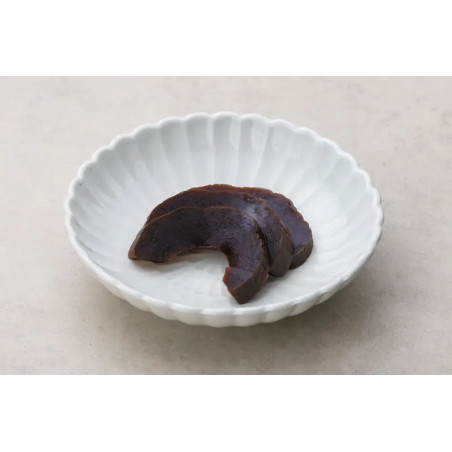
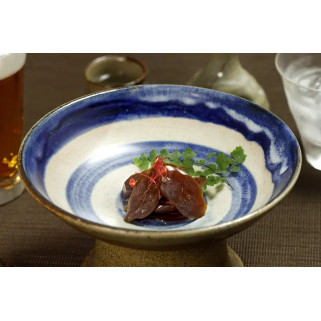
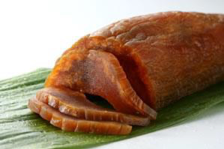
Its narazuke, called Kohaku-kansa (琥珀神), are a lightly marinated product, similar to the pickles traditionally prepared in every household in Fukuoka, on Kyushu Island. Their taste is very different from that of the traditional narazuke from the Kansai region, which is more astringent.
All ingredients are carefully selected from all over Japan. Without any additives, these narazuke are handmade with great care to bring out their full flavor. To ensure the highest quality, it takes one and a half to two years to make these narazuke, which require several stages of fermentation. This is why these products are rare. Products intended for export are called Kohaku-zuke (琥珀漬), but the quality is identical to that of Kohaku-kansa (琥珀神).

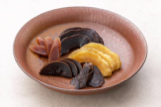
KOHAKU-KANSA Narazuke are beautiful fermented vegetables with an amber color. They are one of the vegetables that have been preserved since ancient times. Preserving products in salt, mirin, sake lees, and distilled rice alcohol naturally extends their shelf life while giving them rich and unique flavors. KOHAKU means “amber color,” and KANSA is derived from the name of the god of good harvests (Tano-Kansa), who has long been revered in the Kyushu region.
Narazuke production at Salon Narazuke Abe
Our artisan carefully selects high-quality ingredients from contract farmers in the best production areas and prepares each vegetable by hand every year.
Process: End of June: salting
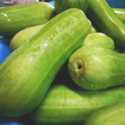
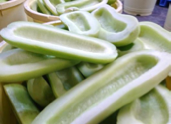
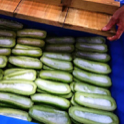
Production process begins with washing harvested vegetables, such as white melons. They are then prepared appropriately, marinated in salt for a few days (first fermentation), salted again (second fermentation), and then stored for six to eight months. Today, vegetables grown in Tokushima Prefecture are marinated in salt after being harvested locally and transported to the artisan's workshop.
Early February: First fermentation
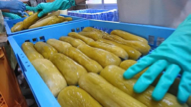
Salted vegetables are marinated in sake lees from the third fermentation (used during the second fermentation of the previous year) and left to rest for three to four months.
End of April: second fermentation
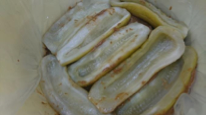
Once sake lees have been removed from the vegetables, they are marinated in a second sake lees (used during the third fermentation of the previous year) and left to rest for five to six months.
Mid-October: third fermentation
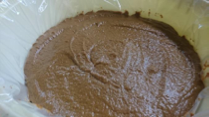
As in the previous step, sake lees are wiped off vegetables, which are then fermented again in the first sake lees (used during the last fermentation of the previous year) and left to rest for three to four months. This three-step fermentation process makes the vegetables less salty and gives them a mild flavor.
Mid-March: final fermentation
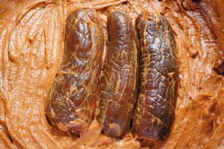
Once sake lees have been removed from the vegetables, they are washed one by one in salt water and then sorted according to size.
They are then fermented in seasoned sake lees, a mixture of matured ginjo sake lees, made exclusively from highest quality sake pressing, mirin (sweet sake with no additives), sugar, and shochu (Japanese distilled alcohol), and left to rest for about four months.
NARAZUKE (奈良漬) are traditional Japanese fermented vegetables with a history dating back 1,300 years. They are said to have been developed originally in Nara. White melon was introduced to Japan from India. It followed the Silk Road to China and then to Japan, at the same time as Buddhism was introduced to Japan.
A little over 1,300 years ago, Narazuke origin dates back to around 710....
NARAZUKE (奈良漬) are traditional Japanese fermented vegetables with a history dating back 1,300 years. They were originally developed in Nara. Narazuke origin dates back to around 710. It is said that narazuke was a refined dish for the aristocrats of the time.
During the Edo period (1603-1867), a Chinese medicine practitioner...