








Ref : NISSNAK1
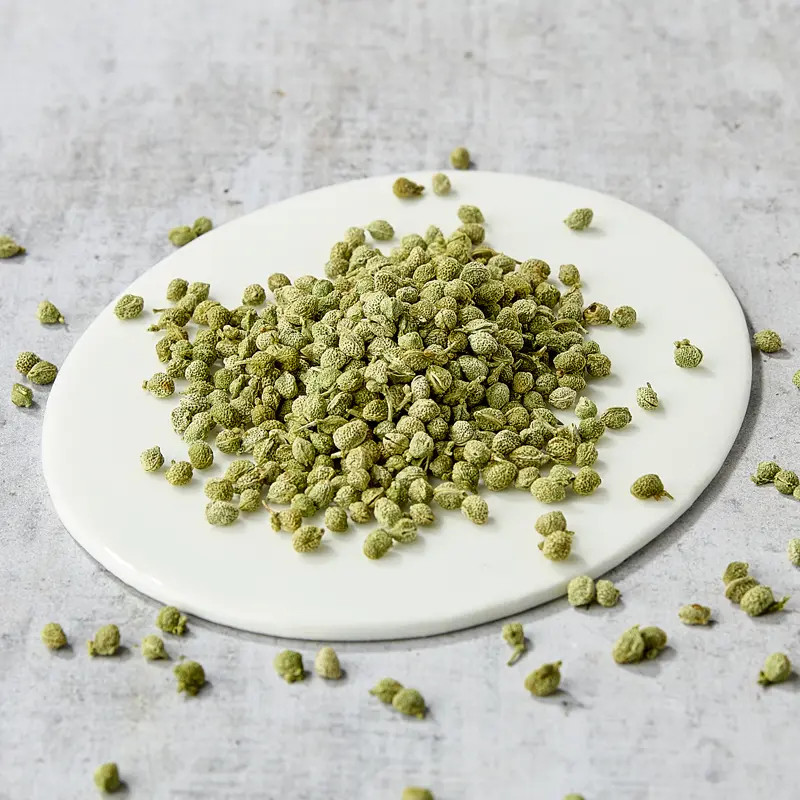
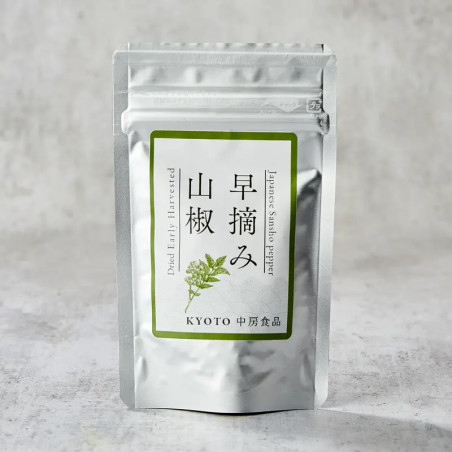
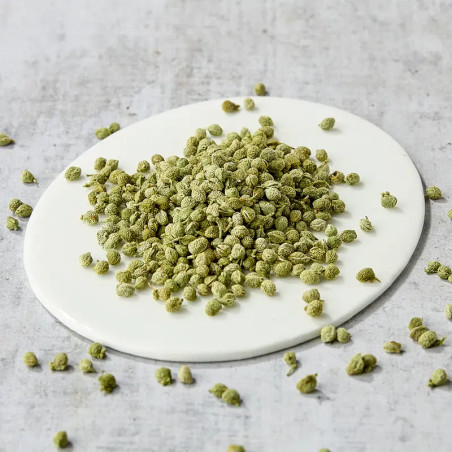
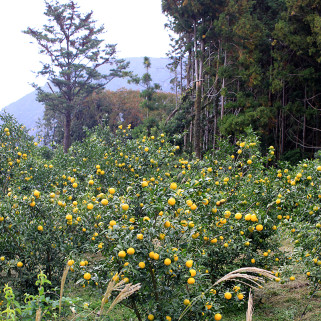
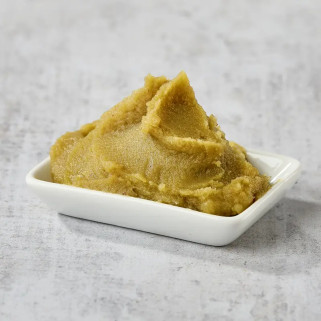
Asakura sansho is a Japanese berry grown in Hyogo and Kyoto Prefectures. This berry provides a numbing sensation similar to that of Chinese Sichuan pepper. Its fresh citrus notes give it a refreshing taste.
It is rich in limonene, an active component of citrus fruits, in greater quantities than any other sansho, and is also known for its high polyphenol content. This sansho’s history dates back more than four centuries and is mentioned in the history of Japanese lords such as Hideyoshi Toyotomi, known for unifying Japan (and asking the magistrate of Ikuno Mine to plant these trees), and Ieyasu Tokugawa, a shogun general who ruled Japan after Hideyoshi and used it as a remedy.
Asakura sansho was produced exclusively and considered a precious gift highly coveted by Japanese feudal lords. Asakura sansho is a thornless cultivar that appeared through mutation. It has been prized since the Edo period. Aroma: Asakura sansho has a fresher aroma than Budou Sansho (grape sansho), with a more pronounced citrus note, verbena, lemongrass, and a milder spiciness. Budou Sansho produces a row of large berries resembling a bunch of grapes.
Asakura sansho is characterized by its large berries and bright green color. Asakura sansho is traditionally used in Japanese medicine. It is known to aid digestion by stimulating appetite and improving digestive function, thereby helping to relieve indigestion and gastrointestinal disorders. It is also known for its antiseptic properties. Japanese medicine notes that sansho contains hydroxy-alpha-sanshool, a compound with anti-inflammatory properties that can help reduce inflammation in the body, offering potential benefits for conditions such as arthritis.
Sansho is also known for its antioxidant activity. Asakura sansho is also a good source of vitamins and minerals, including vitamin A, B vitamins, calcium, potassium, and magnesium, which contribute to overall good health.
For these Asakura sansho berries, fruit is harvested at maturity, when its spiciness and flavor are at their peak, and then dried. It is then specially processed to preserve its color, spiciness, and flavor over time. Its unforgettable flavor is highly prized by Japanese and international chefs.
It is highly prized by Japanese and international chefs, and demand for it continues to grow overseas. In addition to Japanese cuisine, it can be used in meat or fish dishes, pasta, chocolate, and alcoholic beverages. Asakura sansho goes well with white fish, duck breast, grilled eel, game, mayonnaise, slow-cooked meats, grilled marinated beef tongue, yakitori, tataki, soba, shellfish, and crustaceans. In simmered dishes such as sukiyaki and shabu-shabu, sansho adds a citrus aroma and a slight numbing effect, making the dish more complex and invigorating.
Sansho is also a key ingredient in the popular Japanese spice blend shichimi togarashi, which is widely used to season noodles, soups, and grilled meats, adding nuanced flavors to every bite.
Data sheet
Asakura sansho is a Japanese berry grown in Hyogo and Kyoto Prefectures. This berry provides a numbing sensation similar to that of Chinese Sichuan pepper. Its fresh citrus notes give it a refreshing taste.
It is rich in limonene, an active component of citrus fruits, in greater quantities than any other sansho, and is also known for its high polyphenol content. This sansho’s history dates back more than four centuries and is mentioned in the history of Japanese lords such as Hideyoshi Toyotomi, known for unifying Japan (and asking the magistrate of Ikuno Mine to plant these trees), and Ieyasu Tokugawa, a shogun general who ruled Japan after Hideyoshi and used it as a remedy.
Asakura sansho was produced exclusively and considered a precious gift highly coveted by Japanese feudal lords. Asakura sansho is a thornless cultivar that appeared through mutation. It has been prized since the Edo period. Aroma: Asakura sansho has a fresher aroma than Budou Sansho (grape sansho), with a more pronounced citrus note, verbena, lemongrass, and a milder spiciness. Budou Sansho produces a row of large berries resembling a bunch of grapes.
Asakura sansho is characterized by its large berries and bright green color. Asakura sansho is traditionally used in Japanese medicine. It is known to aid digestion by stimulating appetite and improving digestive function, thereby helping to relieve indigestion and gastrointestinal disorders. It is also known for its antiseptic properties. Japanese medicine notes that sansho contains hydroxy-alpha-sanshool, a compound with anti-inflammatory properties that can help reduce inflammation in the body, offering potential benefits for conditions such as arthritis.
Sansho is also known for its antioxidant activity. Asakura sansho is also a good source of vitamins and minerals, including vitamin A, B vitamins, calcium, potassium, and magnesium, which contribute to overall good health.

ALCOHOL ABUSE IS DANGEROUS FOR YOUR HEALTH. CONSUME IN MODERATION. CONSUMING ALCOHOLIC BEVERAGES DURING PREGNANCY, EVEN IN SMALL QUANTITIES, CAN HAVE SERIOUS CONSEQUENCES FOR THE HEALTH OF THE CHILD.


FAQ