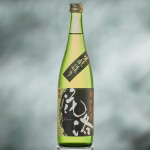
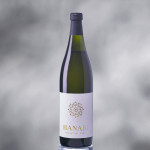
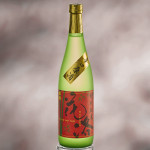
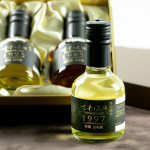
Japanese Sake - An Ancient Beverage
In ancient times, sake was much more than just an alcoholic beverage: it was a ritual drink used in ceremonies to establish a sacred connection between the human world and the spirit realm. The initial method of sake production was a primitive process where producers chewed rice to release the enzymes contained in their saliva. The chewed rice was then spat into jars where it could ferment, initiating the process of fermentation thanks to the natural enzymes in saliva. From the 11th century, sake production began evolving toward the methods used today.
There are two main types of sake: drinking sake and cooking sake. These sakes have an alcohol content slightly higher than that of wine, ranging from 14% to 17%, but they remain much less potent than Chinese sake, which is actually a distilled spirit with an alcohol content of up to 40%.
Japanese sake, known as nihonshu, is an alcohol made from rice, water, kôji, and yeast, obtained through fermentation.
Japanese Sake - A Beverage for Every Occasion
Sake is a festive drink, ideal for sharing among friends, colleagues, or sake enthusiasts. It can be served at various temperatures, from 5°C to 55°C, offering a unique tasting experience depending on the type of sake. If you're looking to buy Japanese sake, you’ll find a wide selection in our online store, complete with recommendations on serving temperature, pairings, and the history of each sake.
Sake stores well in the refrigerator at a temperature of around 5°C. This preserves its aromas and prevents premature degradation. Like wine, it is recommended to consume sake quickly after opening.
The Different Types of Sake
Sake can be divided into two main categories: ordinary sake (futsushu) and premium sake. Among the latter are junmai (pure sake, without added alcohol) and honjôzô (with added alcohol). Depending on the rice polishing ratio, expressed as a percentage known as seimaibuai, these categories are further subdivided into Ginjô and Daiginjô.
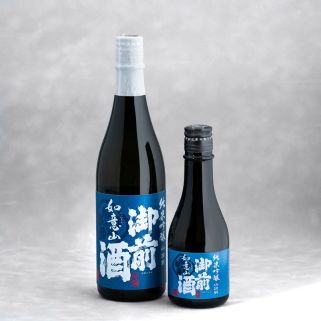
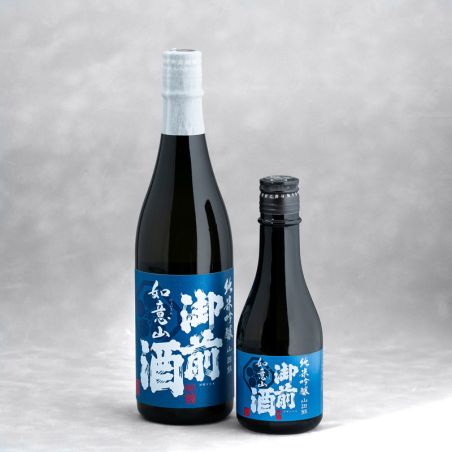
At Nishikidôri, we offer only premium sake that adhere to traditional production processes. Below are the categories available:
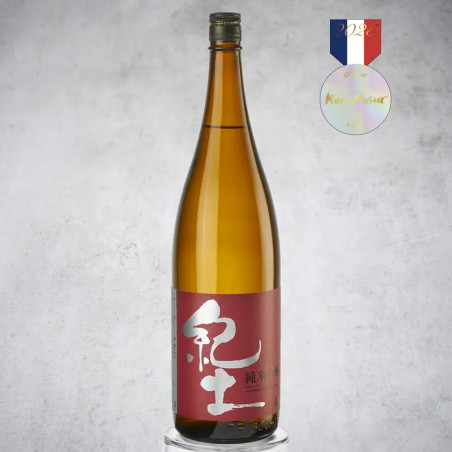
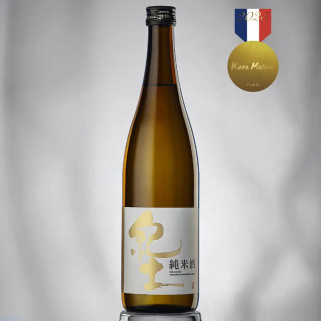
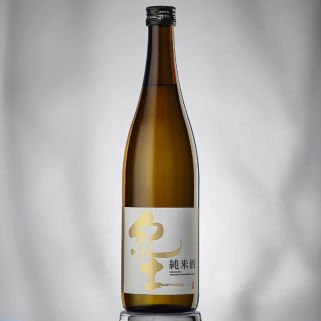
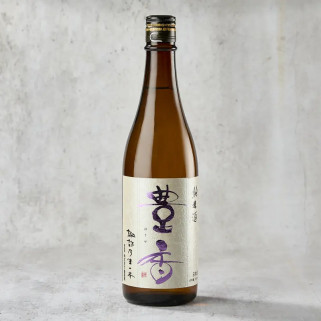
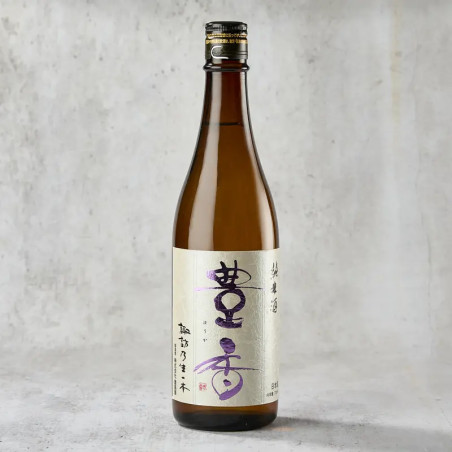
Junmai: Meaning "pure rice," Junmai sakes have cereal and lactic notes. Unlike Honjôzô, no alcohol is added during the production of Junmai sakes, resulting in a purer and more natural taste with concentrated aromas and a generally more acidic flavor. These sakes, including Kimoto, are rich and robust, making them perfect companions for meals with pronounced umami flavors.
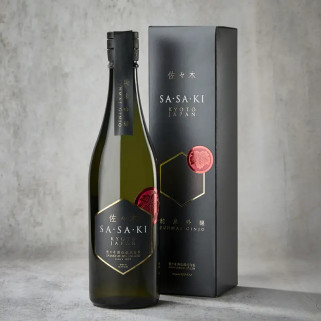
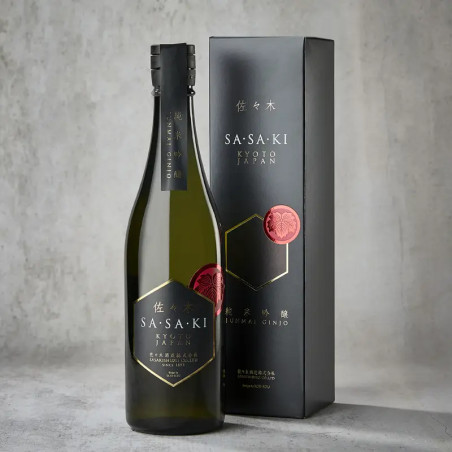
Junmai Ginjô: A high-quality sake with a rice polishing ratio of 60% or less, fermented at low temperatures. It offers fruity and floral notes, such as melon, banana, pear, orange, or apple, depending on the sake.
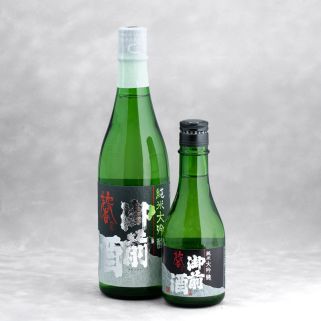
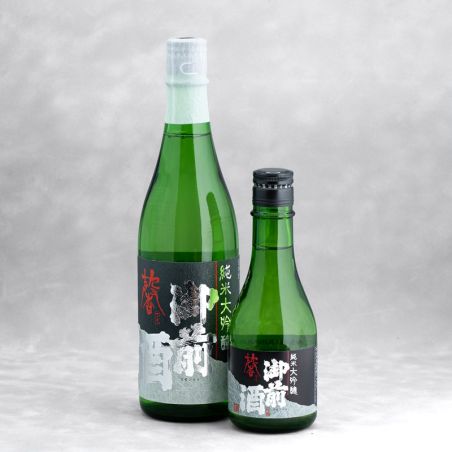
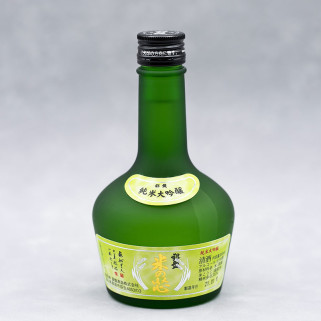
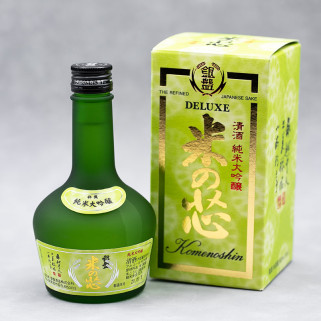
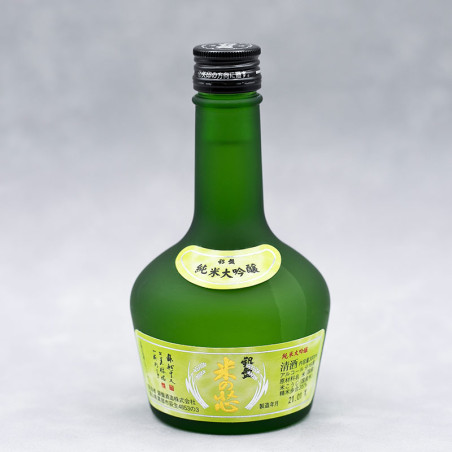
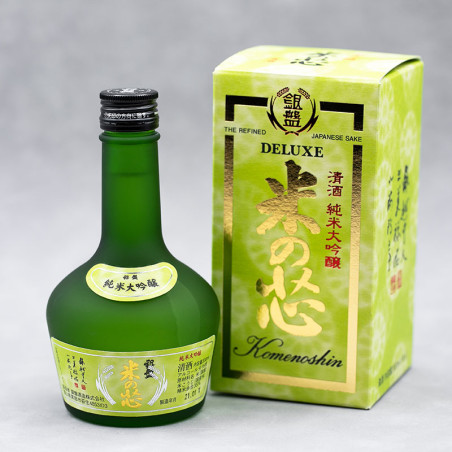
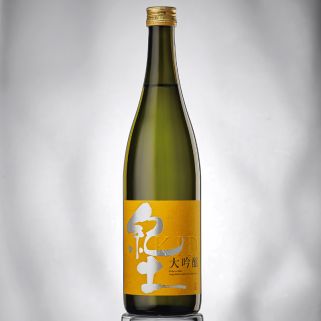
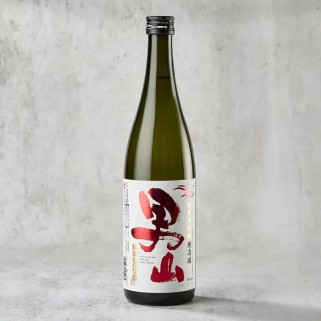
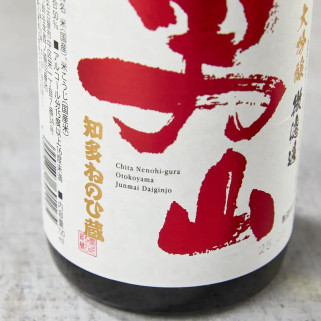
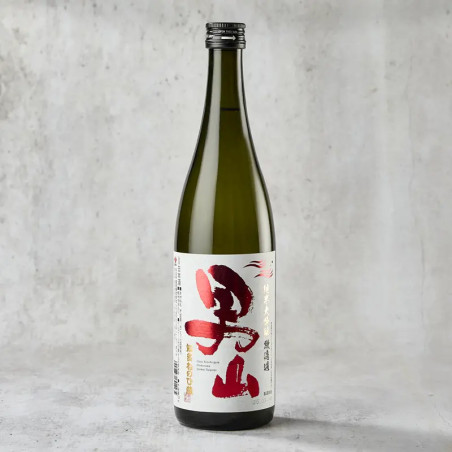
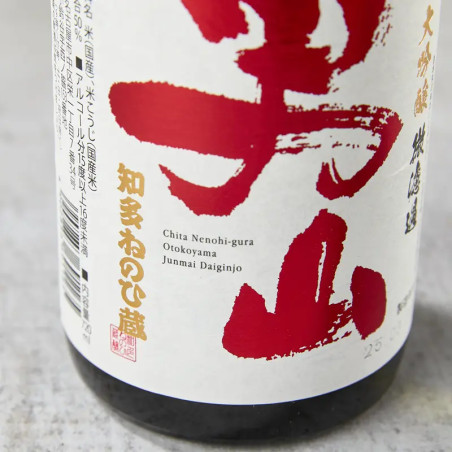
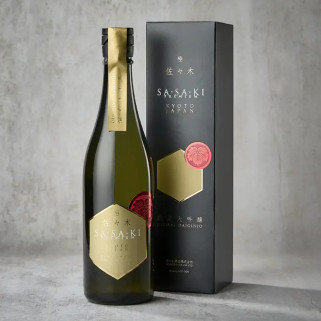
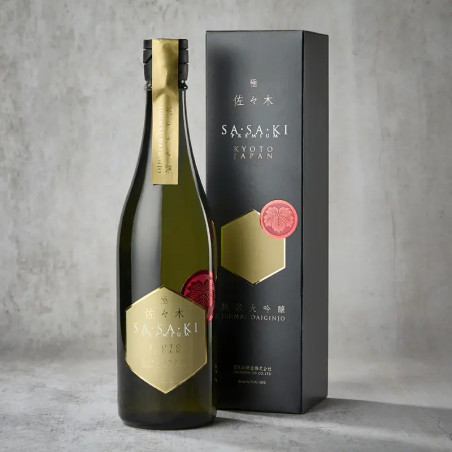
Junmai Daiginjô: Belonging to the same category as Ginjô, but with an even finer rice polishing ratio of 50% or less. This sake is highly refined, balanced, and aromatic.
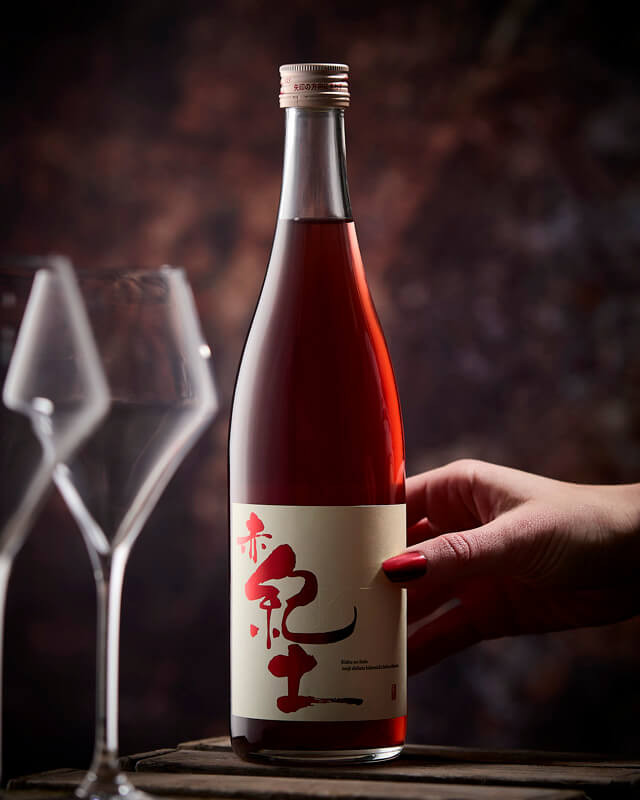
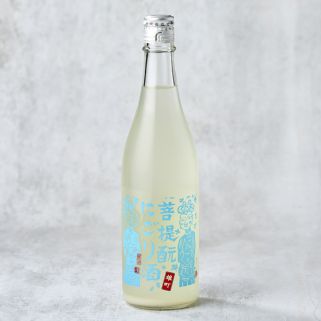
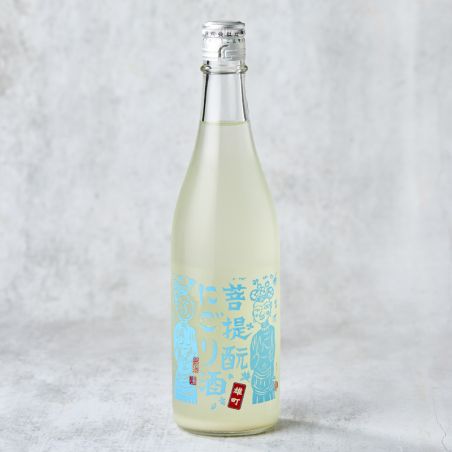
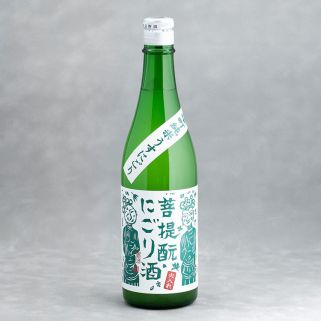
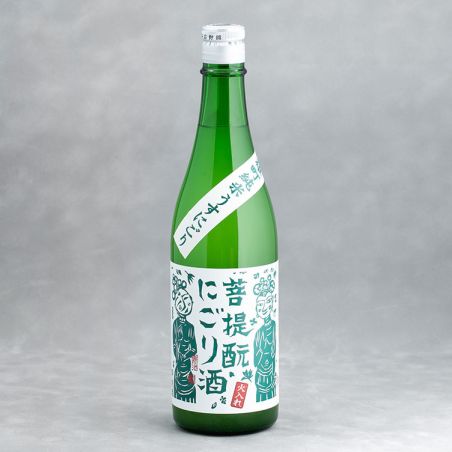
Nigori: A less filtered sake, giving it a richer texture and distinctive cloudy appearance.
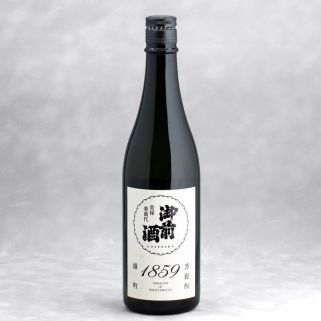
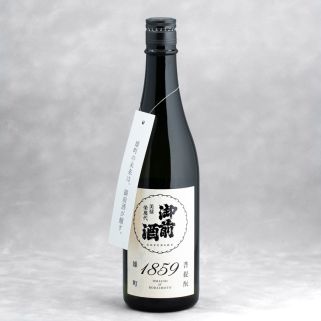
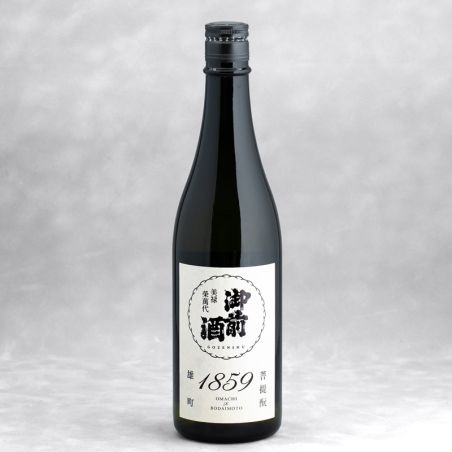
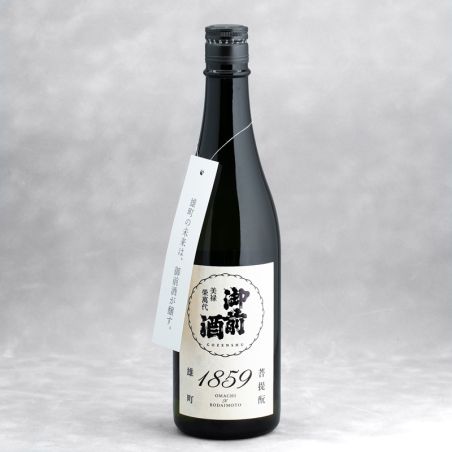
Kimoto/Gozenshu: No lactic acid is added during production, leading to a more complex flavor profile.
Tokubetsu: Sake with unique characteristics, either in the type of rice used or the production method.
Honjôzô: A type of sake with a small amount of distilled alcohol added at the end of the fermentation process, resulting in a lighter, more subtle sake with a smoother texture.
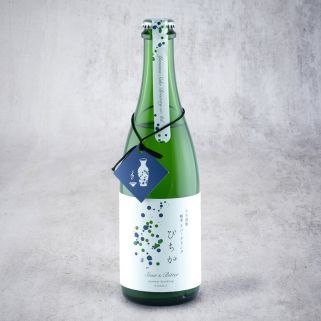
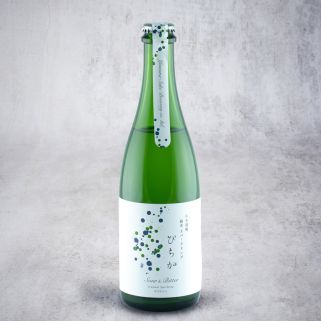
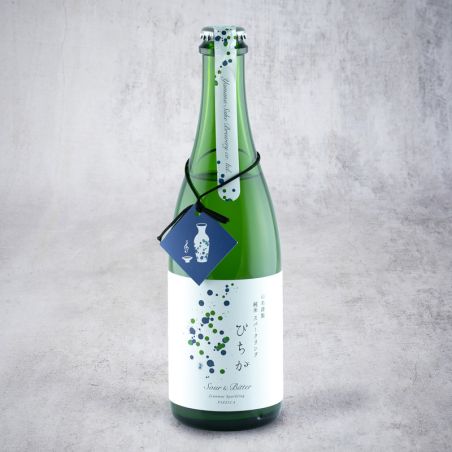
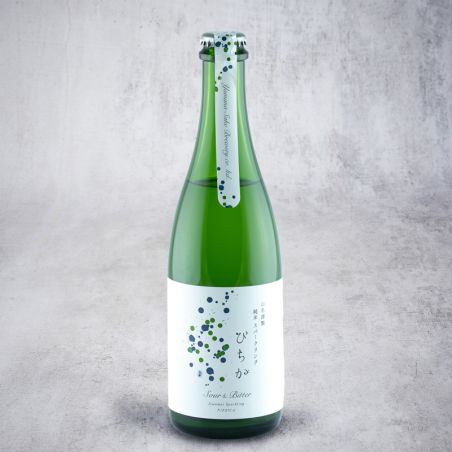
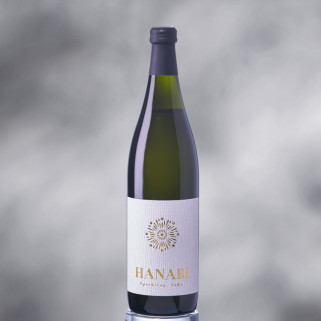
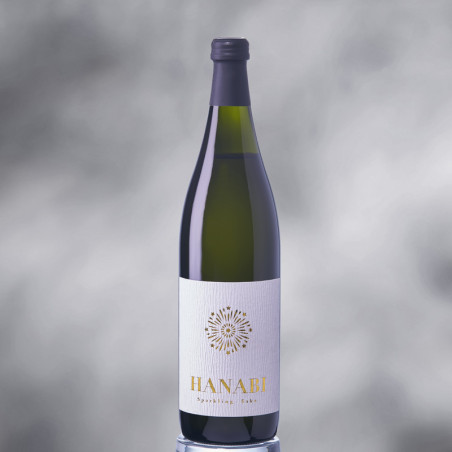
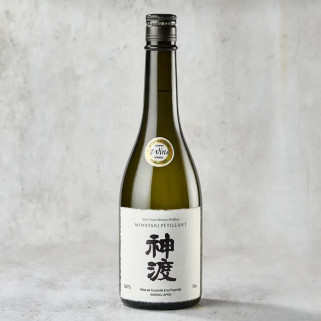
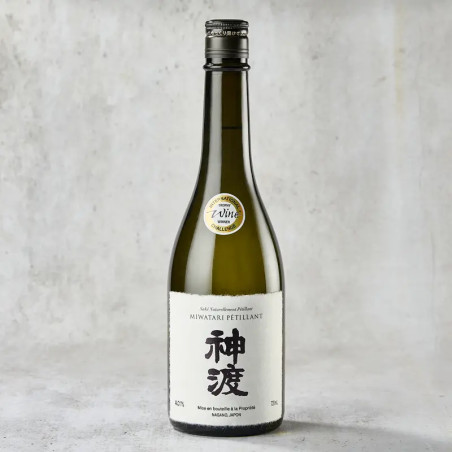
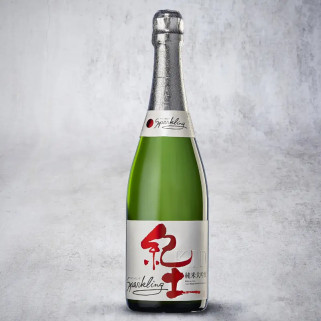
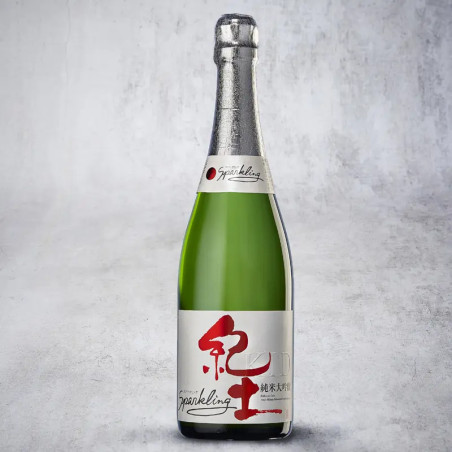
Sparkling: Sake with bubbles, created through natural fermentation or by adding carbonation.
Pairing Sake with Food: A Perfect Harmony
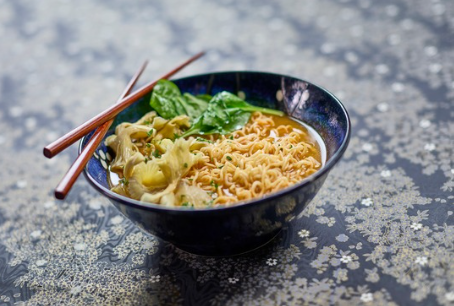
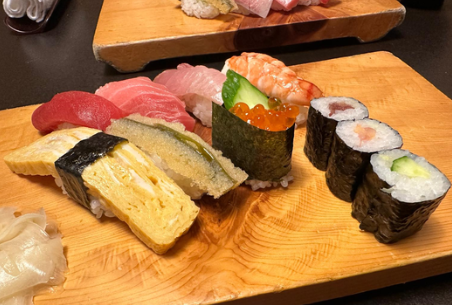
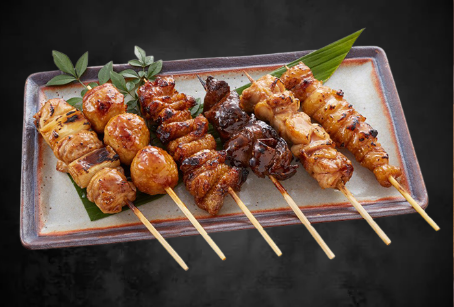
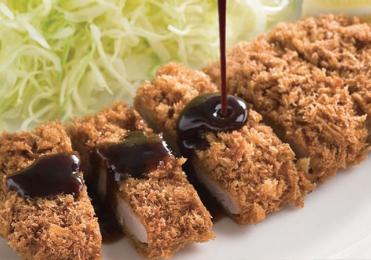
Sake isn’t just an alcoholic beverage to be enjoyed on its own; it’s also a wonderful companion for meals. Its ability to highlight umami flavors makes it ideal for pairing with a variety of dishes, from traditional Japanese cuisine to more contemporary creations.
The choice of sake depends on your taste preferences and the dishes you plan to pair it with. Less acidic and sweeter than wine, sake pairs well with both Japanese and Western dishes, from appetizers to desserts. During tasting, much like with wine, attention is paid to the appearance, aroma, and flavor. Honjôzô sakes are prized for their lightness and freshness, while Junmai and Kimoto offer richer, more robust profiles, making them ideal for meals. Ginjô and Daiginjô are aromatic, revealing floral or fruity notes. At Nishikidôri, we offer a selection of these different sake varieties, available in Paris and online.
The Art of Tasting Japanese Sake
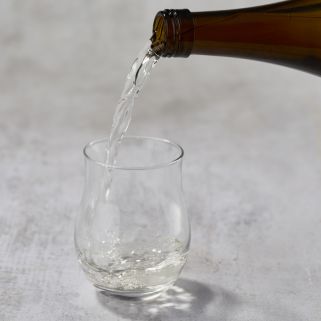
Sake can be enjoyed at a wide range of temperatures, from 5°C to 55°C. However, most sakes today are served chilled or at room temperature to fully reveal their aromas and elegance. Ideal serving temperatures are often indicated on bottles, allowing you to enjoy each sake to its fullest potential.
Before modern rice-polishing machines, sake was traditionally consumed warm to develop different aromas. Junmai and Honjôzô are particularly suited for warm consumption, respecting traditional methods. Sakes with finer rice polishing, such as Ginjô and Daiginjô, are better enjoyed cold, like white wine. Sparkling sakes should be served even colder, similar to sparkling wines.
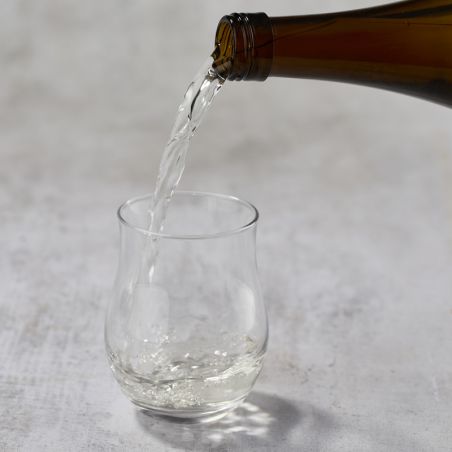
The ideal serving size is about 70–90 ml per glass or 50 ml in a porcelain cup (choko). Explore our selection of sake tableware for an immersive experience in the art of Japanese sake. Once opened, sake should be refrigerated at around 5°C and consumed promptly, as it contains no preservatives like sulfites thanks to pasteurization.
Sake is a versatile beverage that can accompany an entire meal, from appetizers to dessert. It contains no tannins, has lower iron levels, and is less acidic than wine, making it particularly suited for pairing with raw dishes, creating unique and savory combinations.
The price of a bottle of sake generally ranges from €10 to €100, with rare bottles reaching up to €400, depending on the quality, rarity, and production method.