





Ref : NISSH17
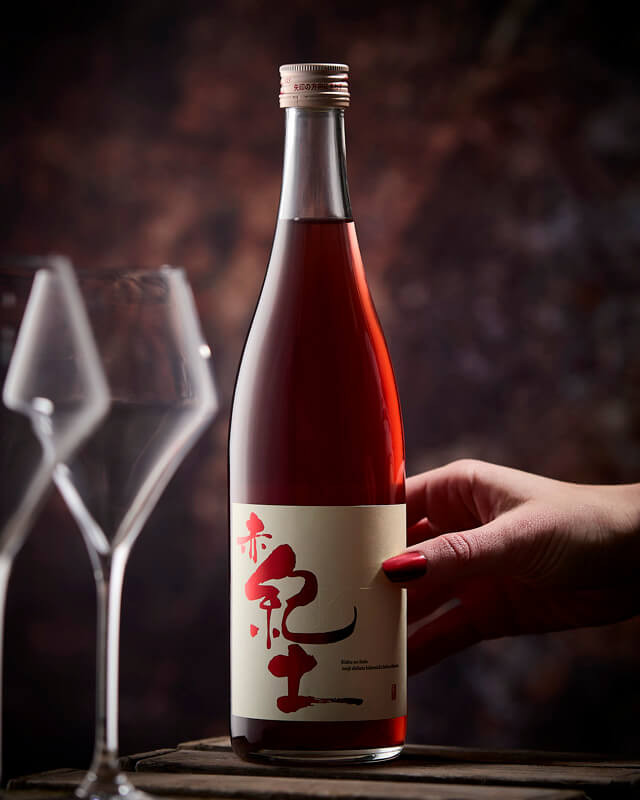
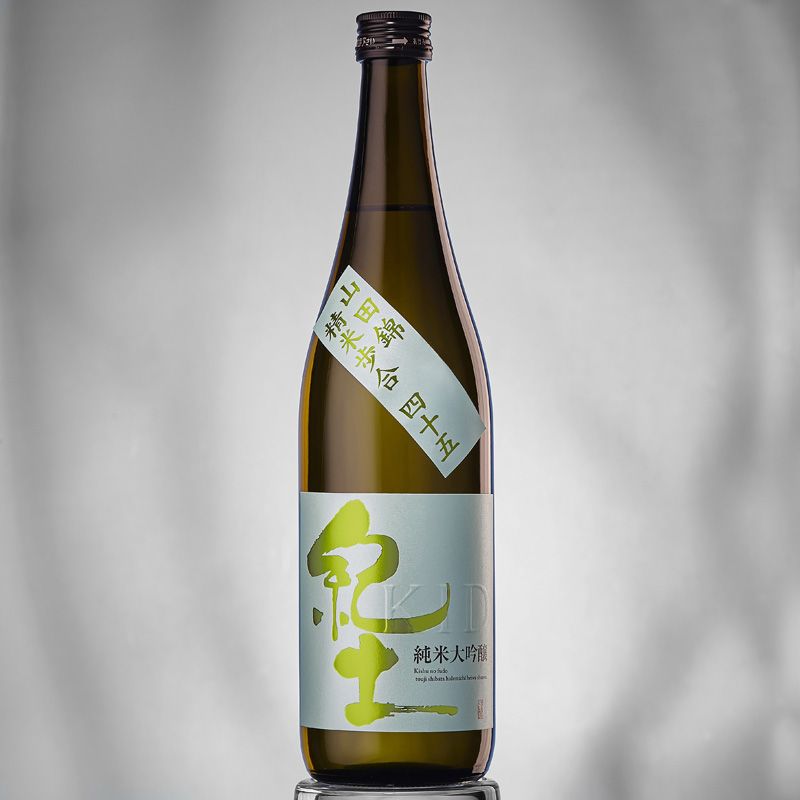
This sake is characterized by very fruity notes of red apples and melon, with hints of honey.
The umami is powerful, the sweetness generous.
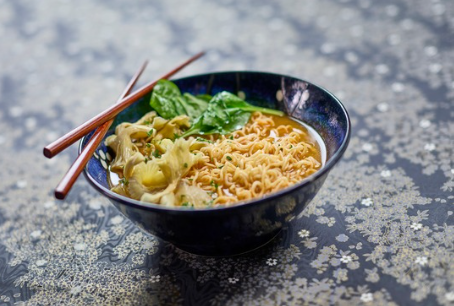
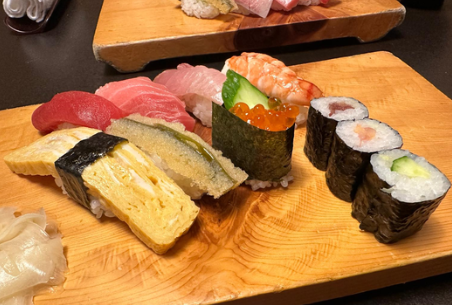
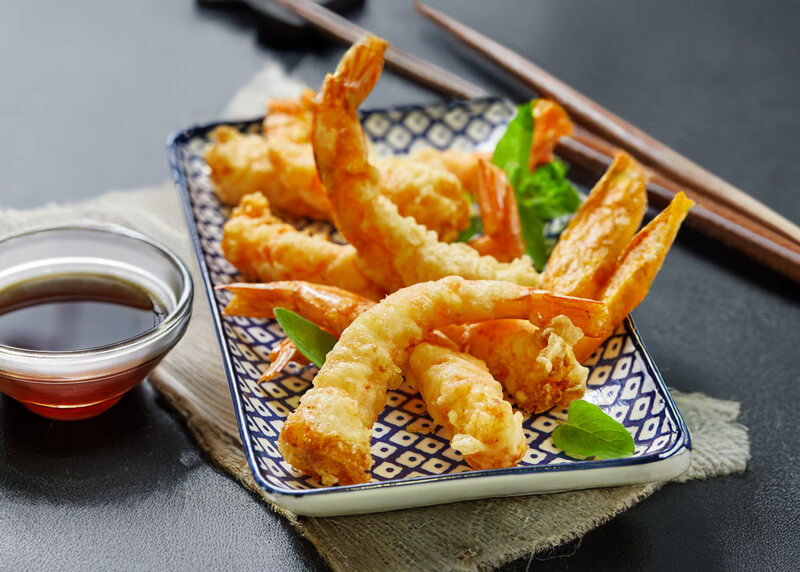
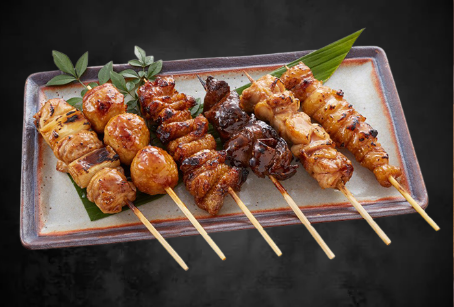
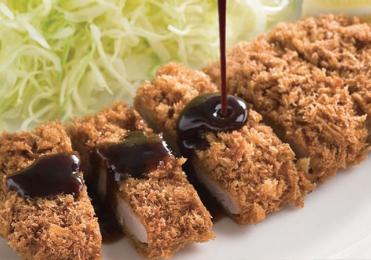
Our perfect combination : ramen, sushi, sashimi, tempura, fatty tuna, cured ham (Parma, San Daniele, Iberico), strong cheeses (Stilton, Roquefort, gorgonzola), desserts with strawberries ...
Data sheet
 HEIWA SHUZO
Heiwa Shuzo since 1928
Located in a basin where it gets very cold in the mornings and evenings despite being in Wakayama prefecture known for its warm climate, with the three essential elements, rice growing, rich water and the climate suitable for Sake making, the exceptional Sake is made with care by Heiwa Shuzo, founded in 1928. We are in the heart of Wakayama prefecture, to the south of Japan's main Island, that the miracle happens. Carried along by master craftsmen in search of perfection, Heiwa Shuzo’s know-how can also be found in natural fruit liqueur, made without coloring nor additives. "Men created sake, sake created men"... Such is the philosophy of Heiwa Shuzo. A philosophy, rich in the knowledge we need, to understand that the choices the master craftsmen make regarding ingredients, processes and storage feed their demands of quality and their search for perfection.
Meaning of 紀土 – KID -
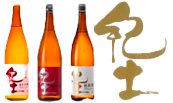 KID comes from the image of “Kishu (紀州) climate (風土)” (Kishu is the former name of Wakayama Prefecture) and also represents child innocence and freedom. The KID range created by Heiwa Shuzo aims to make thesake charm known to new generations of less knowledge who rarely consume it. Its pasteurization is called manual. The “Binkan Hiire” method is applied to some of the KID products: the sake is bottled but the bottles are not completely closed. They are first heated to + 65 ℃. This low pasteurization preserves taste and scents to the beverage and a nice freshness.
Commitment to liqueur
To produce world-class liqueur from fruits from Wakayama; this is our determination as well as an ultimate goal for us. (Wakayama ume (Japanese plum) production account for close to 60% of the total ume production in Japan.) We believe that ume-shu (ume liqueur) is the liqueur Japan should be proud of, which quality is high enough to meet international standard. While many liqueurs are produced with flavors, colorings, and acidulants, ume-shu is the liqueur that can have natural fruity taste without a use of such additives. Heiwa Shuzou started ume-shu production in 1995. Thanks to the Wakayama’s proud ume, support and research cooperation of Technical Center, and a great deal of trial and error of our craftsmen, we have succeeded in producing high-quality ume-syu. By producing such ume-shu of the highest quality of the world with the special attention to the ingredients, production method and cellaring, we would like to show our gratitude to the local people who have given us big support to develop this liqueur.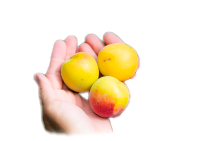
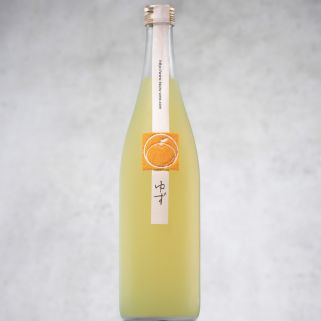
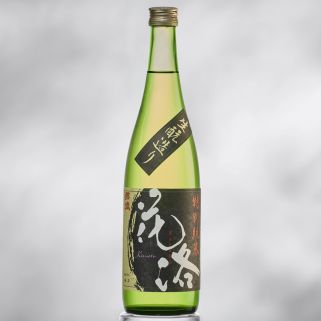
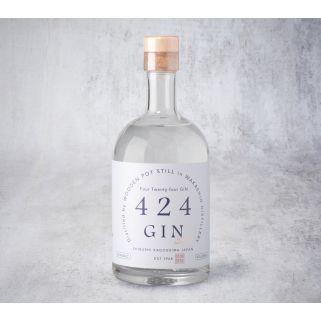
This sake is characterized by very fruity notes of red apples and melon, with hints of honey.

ALCOHOL ABUSE IS DANGEROUS FOR YOUR HEALTH. CONSUME IN MODERATION. CONSUMING ALCOHOLIC BEVERAGES DURING PREGNANCY, EVEN IN SMALL QUANTITIES, CAN HAVE SERIOUS CONSEQUENCES FOR THE HEALTH OF THE CHILD.


FAQ