


Ref : NISTSU8
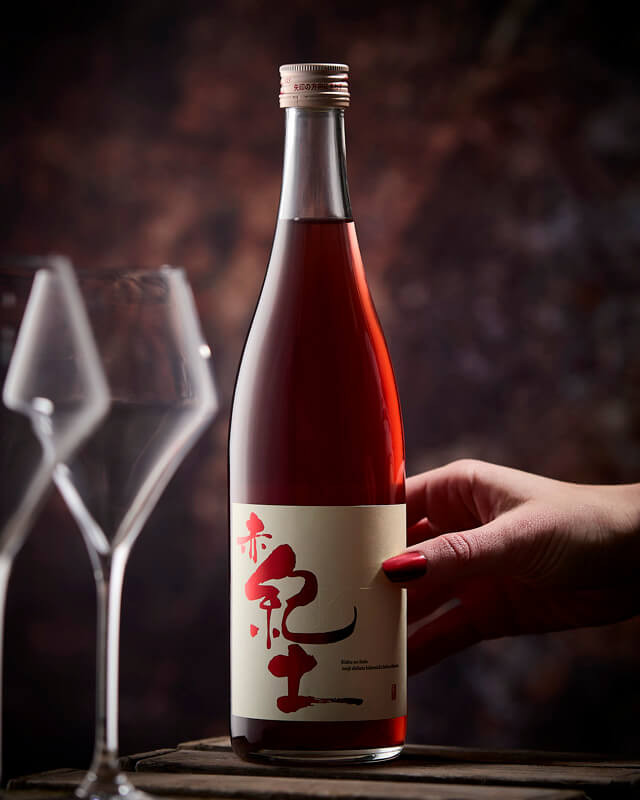
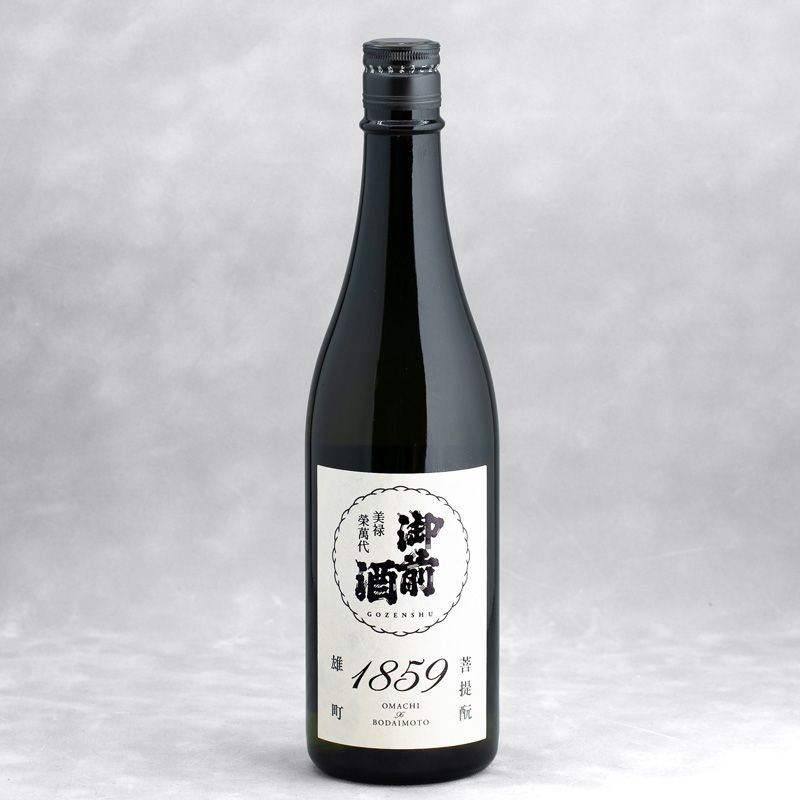
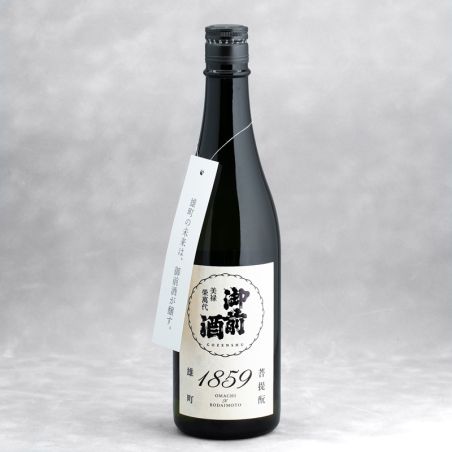
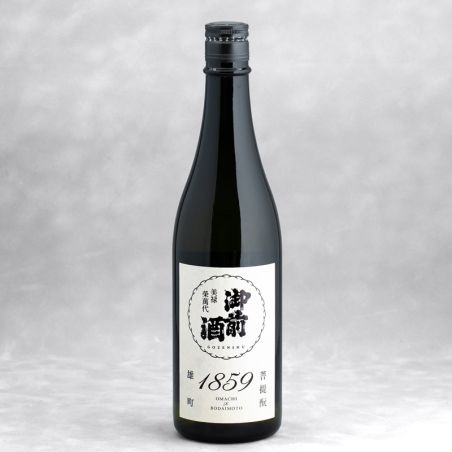
Gozenshu 1859, a sake that marks the transition in the manufacture of sake by the Tsuji Honten house. Being creative and innovative is essential to meet the needs of the times.
The master craftsmen of Tsuji Honten began to wonder what “unshakeable nobility and beauty” they must pursue to perpetually continue to brew where they are, while reflecting on the legacy to be left for future generations.
To perfect their craft and purify every aspect of it, the answer becomes obvious: favor the Omachi variety of rice while converting their entire sake-making to Bodaimoto brewing.
Bodaimoto brewing, for the Gozenshu (sake of the Lords), is a medieval technique for making vats (Shubo, Moto) common 1,000 years ago, consisting of mixing malt in a large quantity of pure water.
For our Gozenshu 1859, the malted rice is placed in a cloth then soaked in a tank of pure water for 10 to 25 days and, under the action of natural lactic acid bacteria and yeasts naturally present in the environment, is loaded with lactic acid. . The acidity of the water (pH) can then rise to 6.5. This acidic water is called "soyashi" or "soyashimizu" water. It allows the creation of the starter or mother of sake. It promotes the development of good yeasts and prevents the formation or appearance of bad bacteria. The addition of steamed rice and kôji will allow the creation of shubo (starter, mother of sake). The kobo (yeast) is then added and will give birth 10 to 14 days later, to the moromi.
From this moromi will be extracted sake. "1859" corresponds to the birth of Omachi rice.
It was around this time that a farmer from Bizen (Okayama Prefecture), Jinzo Kishimoto, discovered and cultivated two rice plants, known today as Omachi, whose quality is nationally renowned in Japan.
The municipalities of Setocho and Akasaka in the former Akaiwa County, located southeast of Okayama, are known to produce the best Omachi rice.
For the past 25 years, Tsuji Honten has partnered with Setocho Omachi Bukai (the Setocho Farmers' Study Group on Specialty Omachi Rice) to supply their rice. In 2019, the year of the 160th anniversary of the discovery of the Omachi rice variety, it jointly launched a new project entitled “Tokujo Omachi Project” to create specialty quality Omachi rice.
In the early 1980s, Tsuji Honten spearheaded the rebirth of the Bodaimoto method, lost at the start of the Showa period (1926-1989). Although around 40% of their sake has been brewed using this method, they are convinced that this ancient brewing technique has endless possibilities.
By getting into the heart of their brewing philosophy and returning to a classic method as such, Tsuji Honten sets out to take the world by surprise by showing a deeper and more interesting world of sake. To launch the “100% Bodaimoto” plan, the Gozenshu were born.
This dry, transparent sake with a slight silver sheen is remarkable.
Aromas are reminiscent of dragon fruit, starfruit and green apple.
Mouth is complex, offering at first a beautiful acidity, almost pearlescent, with notes of grapefruit zest and lemon.
Then flavors evolve, rounder, fresh walnut and other nuts, mushrooms, pear, banana.
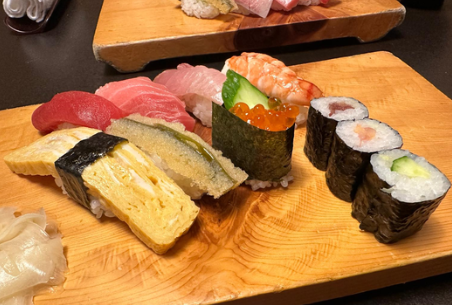
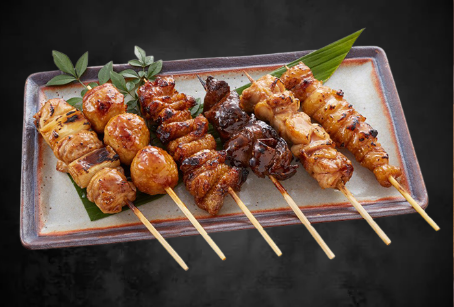
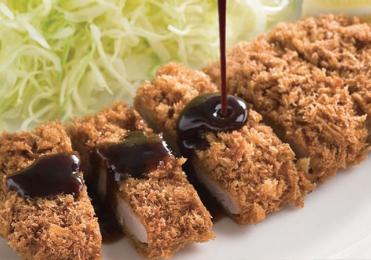
.png) As for tastings, we recommend pairing with dried fruits, blue cheese, avocado, fresh goat cheese, tuna sashimi, grilled fatty fish, oysters, caviar, Iberian pork ham.
As for tastings, we recommend pairing with dried fruits, blue cheese, avocado, fresh goat cheese, tuna sashimi, grilled fatty fish, oysters, caviar, Iberian pork ham.
Data sheet
 TSUJI HONTEN
 Katsuyama is located in the Mimasaka region (old name for northern Okayama), long known as "Umasake no Kuni" (literally translated as "the land of beautiful sake"). With its cold climate coupled with fine groundwater and good rice for sake, Katsuyama provides an ideal environment for making sake. Indeed, these regional advantages have helped forge Gozenshu's motto: "Be responsible for making the best sake with local rice, water and genuine local craftsmanship." Over the generations, the philosophy has always inspired brewers to strive to make the best sake without any compromise. Gozenshu sake embodies a clean taste unlike the sake produced in the southern part of Okayama. While southern sake tastes relatively sweet, the crisp taste of Gozenshu is what local drinkers have been asking for, in large part because of the cold winters they have to endure. At Gozenshu, they have been eager to make junmai sake for over four decades, long before the recent junmai fashion emerged. It's safe to say that junmai makes up about 70% of all of their products. In recent years, the brewing has been run by Okayama's first female Tôji, Master Brewer, Maiko Tsuji (7th generation of the family) who inherited the post from her mentor Takumi Harada after his death in 2007 (Japan does not have to date that 20 Tôji women out of 1200 Tôji). Harada was a fine master, famous, who had worked for Gozenshu for over 40 years. With Tsuji at the helm of his team of young brewers, Gozenshu Brewery has been revitalized and continues to dedicate itself to the art of sake making. The Tsuji family was also keen to pursue cultural activities during the Meiji and Showa periods. Since the heads of households at the time were so-called culture lovers, their brewery was visited by famous artists and writers such as Tekkan and Akiko Yosano (author / poet), Saishu Onoe (poet / chirographer), Hekidoto Kawahigashi (poet / essayist) to name a few. Separately, a giant of Japanese literature, Junichiro Tanizaki (also passionate about sake) wrote one of his major novels, The Makioka Sisters, while he was evacuated to Katsuyama during World War II. His temporary residence remains to this day and continues to attract visitors to the city. In the recent past, the list of those who have affectionately visited this brewery includes Tatsuya Naramoto (historian), Yasaburo Ikeda (scholar), Kiyoshi Atsumi (actor) and Rokusuke Ei (lyricist). “Cultural exchange through the best sake” is precisely what the story of Gozenshu consists of. Everything was made possible thanks to the sincere dedication of their ancestors who conveyed the true art of sake making and its culture.
Finally, it is necessary to remember two major points concerning the Tsuji family: they are at the origin of the rebirth of the Bodaimoto method for the preparation of the starter and Tsuji Honten will be in the coming months the only brewery not to be only make nihonshu from one and the same rice, the omachi. The Bodaimoto method had disappeared 4 centuries ago with the advent of the Kimoto method. In the days of the Bodaïmoto method, sake brewers made their patties all year round, which frequently negatively impacted the stability of the sake. The Kimoto method has favored the manufacture of sake in winter, thus guaranteeing very good stability to the brewed drink. The Bodaimoto Method was rediscovered in 1980, in an ancient Japanese book, "Nihon Sankaimeisan Zue" (Japanese Sake Making Method) unearthed in England by antique dealer Mike Deen, uncle by marriage of the current President of Tsuji Honten.
 Claudie H.

Excellent (Translated review)
Laurent D.
Excellent sake. (Translated review)
Daniel G.

Great sake. Happy to have it back :-) (Translated review)
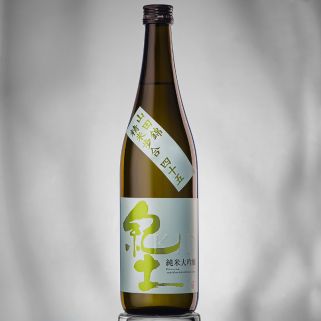
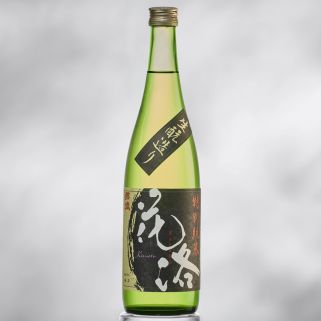
Gozenshu 1859, a sake that marks the transition in the manufacture of sake by the Tsuji Honten house. Being creative and innovative is essential to meet the needs of the times.

ALCOHOL ABUSE IS DANGEROUS FOR YOUR HEALTH. CONSUME IN MODERATION. CONSUMING ALCOHOLIC BEVERAGES DURING PREGNANCY, EVEN IN SMALL QUANTITIES, CAN HAVE SERIOUS CONSEQUENCES FOR THE HEALTH OF THE CHILD.


FAQ