




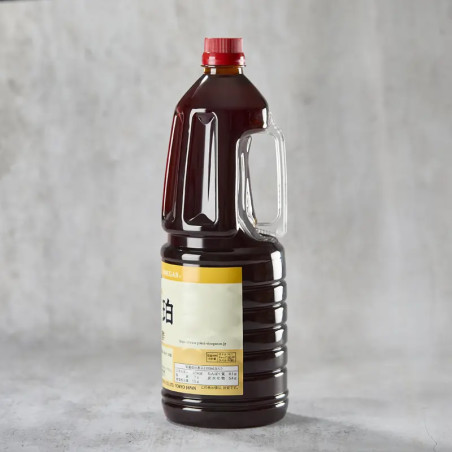

Ref : NISYJ13
Traditionally, vinegar in Japan is made from rice, while Akasu is made from sake lees. At the end of the Edo period, craftsmen began to produce Akasu because of the ever-increasing production of sake and, consequently, sake lees.
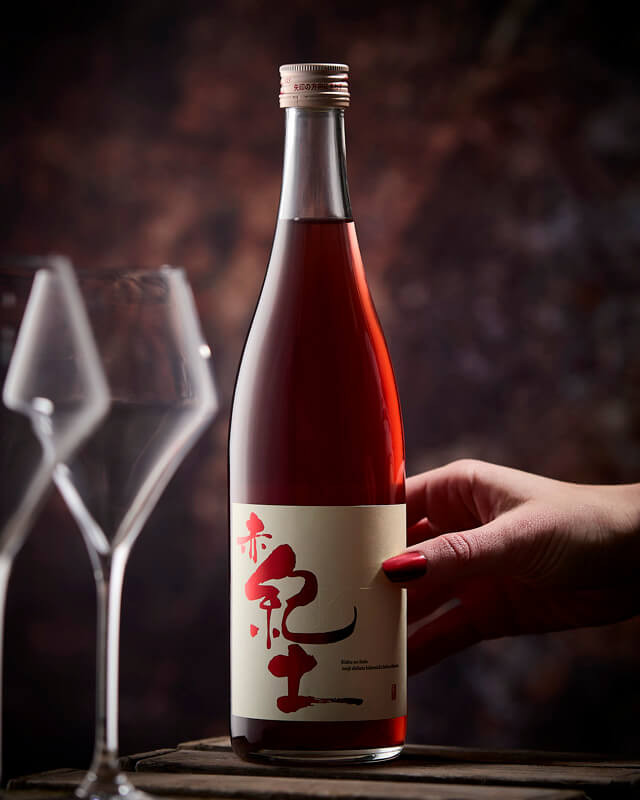
When sake lees are left to rest for a long time in a hermetically sealed cask, their color changes from amber to brown (like miso) due to the work of yeast and kôji (rice yeast). Akasu' vinegar takes its name from its color, 'aka' meaning red in Japanese. Long in the making, sake lees become increasingly supple, proteins change into amino acids and peptides, and starch breaks down into the sugars and organic acids that are the essence of the finest sake production.
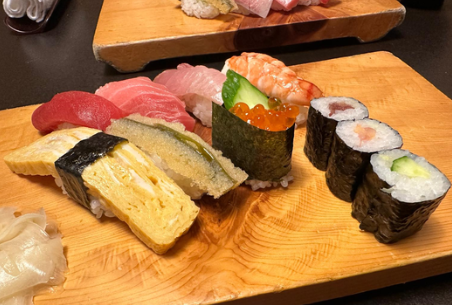
This vinegar is sweeter and has a more aromatic nose than most other vinegars, which is why it is mainly used to flavor sushi in Japan. Recently, it has become a product used mainly by sushi-chefs, whereas during the Edo period it was the most popular vinegar for making sushi.
High-quality sake lees used to make this vinegar are purchased from national sake breweries and aged for a long period to mature aromatic components. As yeast and koji in sake lees work together, sake lees milky white color changes to resemble that of red miso.
As it ages, proteins in sake lees turn into peptides and amino acids, and starch is broken down into organic acids. Since this vinegar is made from aged sake lees, rich in umami components, it is characterized by its “mellow aroma” and “flavor and richness”. Vinegar made from aged sake lees is called “red vinegar” or “kasu vinegar”.
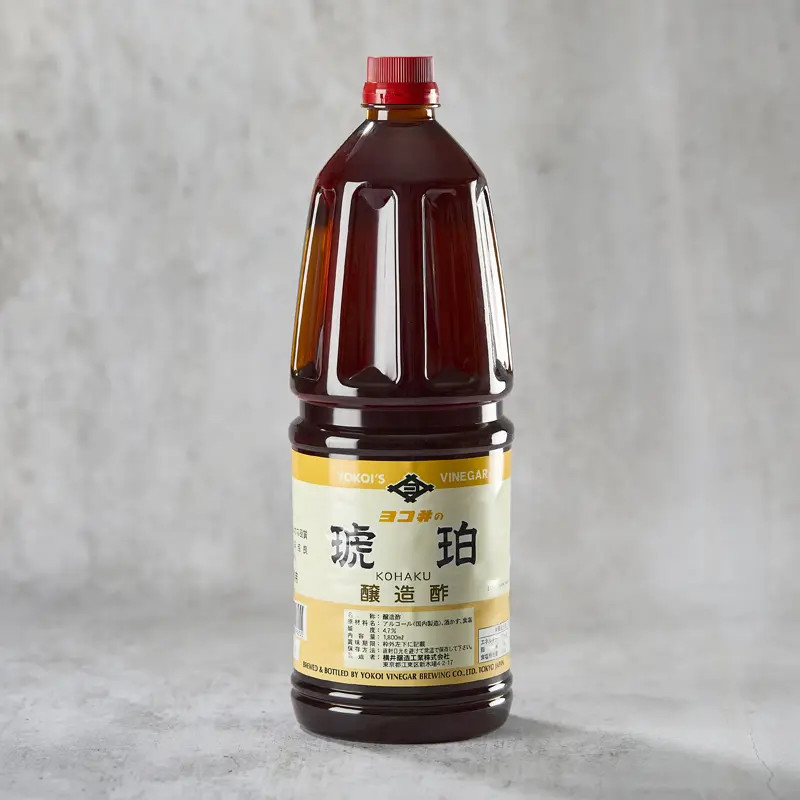
Akasu Kohaku red vinegar is a well-balanced blend of red vinegar and brewing vinegar, the most popular in Tokyo. It has the unique flavor of red vinegar, but with a refreshing kick. It is the most widely used red vinegar in sushi restaurants that use red vinegar.
This vinegar is used as is, without mixing. The trick is to use a small amount of salt or sugar when using it for rice. This vinegar is perfect for marinating mackerel.
Data sheet
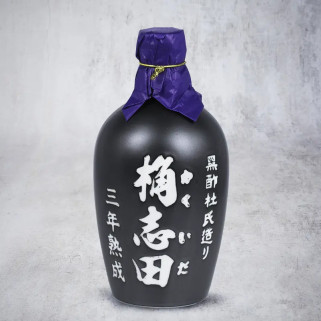
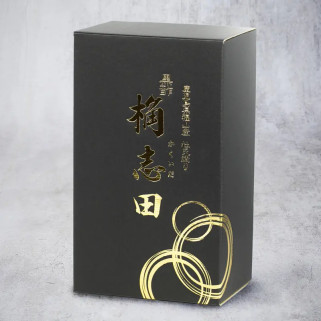
Traditionally, vinegar in Japan is made from rice, while Akasu is made from sake lees. At the end of the Edo period, craftsmen began to produce Akasu because of the ever-increasing production of sake and, consequently, sake lees.
When sake lees are left to rest for a long time in a hermetically sealed cask, their color changes from amber to brown (like miso) due to the work of yeast and kôji (rice yeast). Akasu' vinegar takes its name from its color, 'aka' meaning red in Japanese. Long in the making, sake lees become increasingly supple, proteins change into amino acids and peptides, and starch breaks down into the sugars and organic acids that are the essence of the finest sake production.
This vinegar is sweeter and has a more aromatic nose than most other vinegars, which is why it is mainly used to flavor sushi in Japan. Recently, it has become a product used mainly by sushi-chefs, whereas during the Edo period it was the most popular vinegar for making sushi.

ALCOHOL ABUSE IS DANGEROUS FOR YOUR HEALTH. CONSUME IN MODERATION. CONSUMING ALCOHOLIC BEVERAGES DURING PREGNANCY, EVEN IN SMALL QUANTITIES, CAN HAVE SERIOUS CONSEQUENCES FOR THE HEALTH OF THE CHILD.


FAQ