


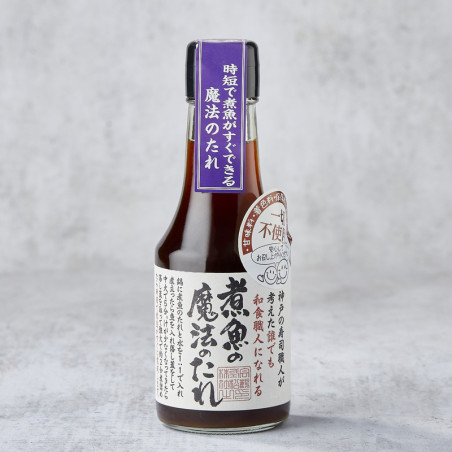

Ref : NISSHOK1
Nizakana" literally means "simmered fish". Fish cutlets or fillets are simmered in sake and soy sauce. Sauce is usually sweetened with Mirin and/or sugar.
This is the simplest and most popular method of cooking fish in Japan. Depending on the type of fish, you may add ginger or garlic. Snapper, mackerel, tuna, cod, hake, plaice and bonito are all suitable.
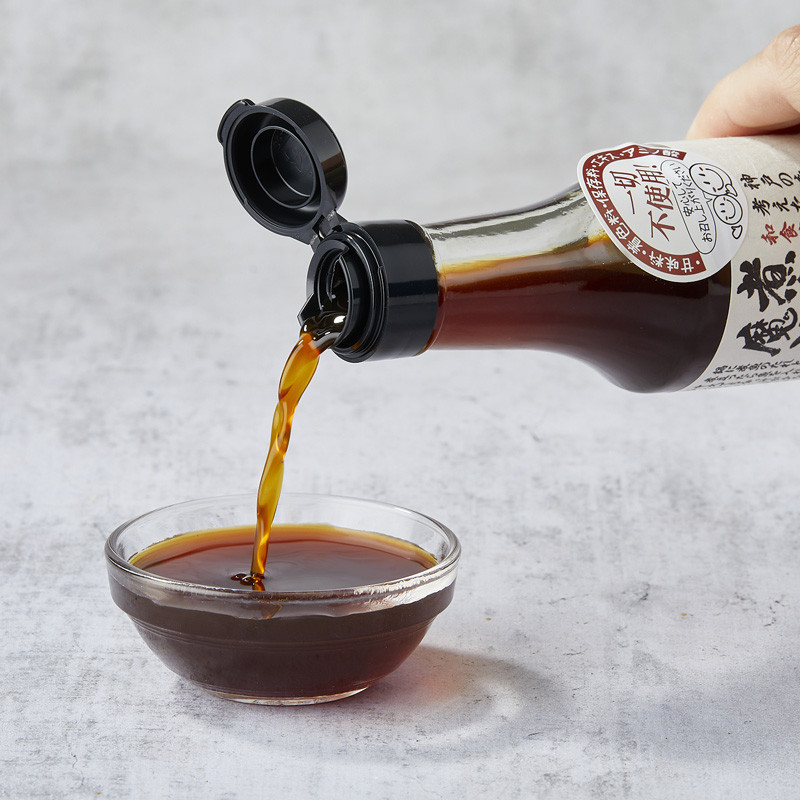
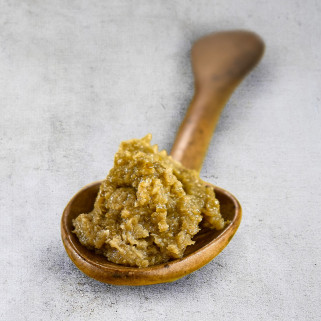
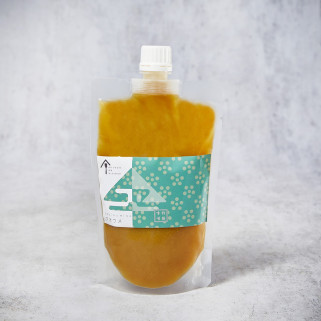
This sauce contains no preservatives, sweeteners, colorants, amino acids or any other extracts. Texture is dense, and the flavor rich as it contains lots of Japanese ginger.
This sauce is very easy to use: Pour 1 bottle of the sauce into 150 ml of water and bring to the boil. After boiling, place the fish in the water.
Cover (otoshibuta lids are ideal for covering on contact) and heat over medium heat for 5 minutes. When the broth has reduced, remove the lid. Cook over high heat for about 2 minutes and it's ready.
Data sheet
Nizakana" literally means "simmered fish". Fish cutlets or fillets are simmered in sake and soy sauce. Sauce is usually sweetened with Mirin and/or sugar.
This is the simplest and most popular method of cooking fish in Japan. Depending on the type of fish, you may add ginger or garlic. Snapper, mackerel, tuna, cod, hake, plaice and bonito are all suitable.

ALCOHOL ABUSE IS DANGEROUS FOR YOUR HEALTH. CONSUME IN MODERATION. CONSUMING ALCOHOLIC BEVERAGES DURING PREGNANCY, EVEN IN SMALL QUANTITIES, CAN HAVE SERIOUS CONSEQUENCES FOR THE HEALTH OF THE CHILD.


FAQ