




Ref : NISKOJI5
Kanji character for “Koji” (糀) originated in Japan a long time ago. Made up of a combination of characters for rice (米) and flower (花), it comes from the fact Koji fermented rice looks like white flowers blooming. Koji is starting point for making Miso, soy sauce and Amazake.
At our artisan's, it is produced in an old brewery in Ise, taking advantage of soil’s purity, climate and land crops, as well as fermentation techniques cultivated over time. Koji is dried at low temperatures to maximize enzymes function. It is traditionally used to make Koji Amazake, Shio Koji, Koji soy sauce (Shoyu Koji), miso, Kojizuke (brining method) and Bettarazuke (brined daikon radish).
Rice koji is steamed, then inoculated with a fermentation culture called Aspergillus oryzae, koji mold, and carefully preserved in warm, humid conditions to promote growth. During fermentation process, koji produces over 100 types of enzymes. Proteases break down proteins into amino acids, such as glutamate, which confers an intensely savory taste known as “umami”. Amylases convert starch into glucose (sugar), giving a sweet taste. This explains why foods containing koji combine deep flavor, umami, sweetness and that special aroma from fermentation.
Enzymes aid digestion and strengthen immune system. Koji provides us with nutrients such as B vitamins and minerals, and creates a pleasant flavor with health benefits.
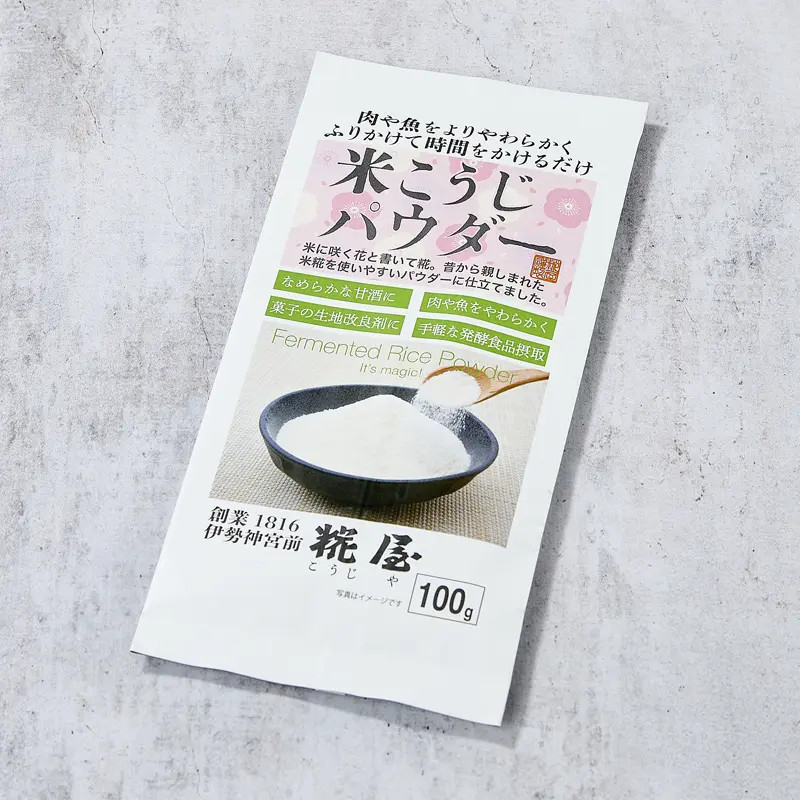
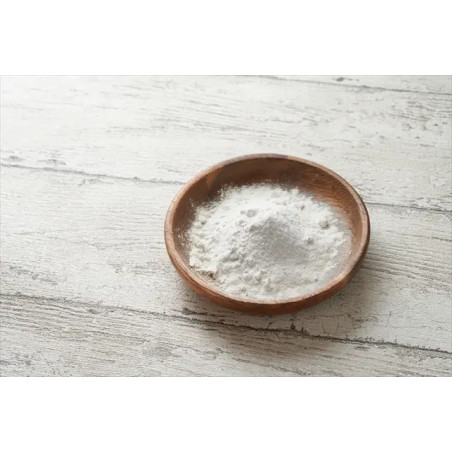
Recently, koji is making a comeback in Japanese cuisine, especially in its savory form known as shio-koji. Koji offered here is Koji rice powder. This is finely ground dried Koji, which can be used as a garnish for salads, toasts, soups, dressings, ice creams, pastries... etc., to easily consume enzymes and other nutrients.
How to use koji?
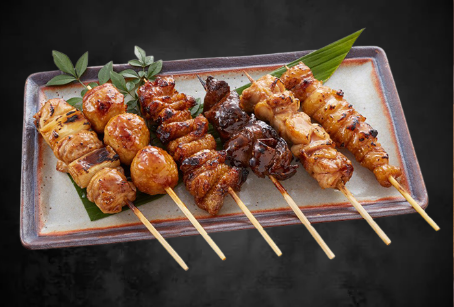
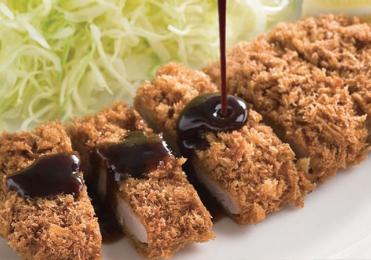
It's a natural improver for pastries, creams and ice creams: add about 1 tablespoon to cake or bread dough and leave to rise. End result will be a very soft texture with no loss of flavor. It can also be used to marinate meat overnight to tenderize tibers. Rub meat well with this product, salt and pepper, and place in a sealed bag in the fridge overnight.
Data sheet
A culture of refined flavors nurtured by the climate of the Ise route.
As the old saying goes, “go to Ise once in your life”. Since ancient times, many people have made the long journey to Ise, the land of the gods, to visit the Great Shrine of Ise at least once in their lives. After completing their long-awaited pilgrimage, pilgrims would savour the culinary delights of Ise and take some of them back to their hometown as a souvenir of the emotions associated with the experience. The company was founded over 200 years ago on Kamiji Street, near the outer shrine. Koujiya's soy sauce and koji products have been nurtured by Ise's unique food culture and precious history.
 Yoann F.

Top. (Translated review)
Kanji character for “Koji” (糀) originated in Japan a long time ago. Made up of a combination of characters for rice (米) and flower (花), it comes from the fact Koji fermented rice looks like white flowers blooming. Koji is starting point for making Miso, soy sauce and Amazake.
At our artisan's, it is produced in an old brewery in Ise, taking advantage of soil’s purity, climate and land crops, as well as fermentation techniques cultivated over time. Koji is dried at low temperatures to maximize enzymes function. It is traditionally used to make Koji Amazake, Shio Koji, Koji soy sauce (Shoyu Koji), miso, Kojizuke (brining method) and Bettarazuke (brined daikon radish).
Rice koji is steamed, then inoculated with a fermentation culture called Aspergillus oryzae, koji mold, and carefully preserved in warm, humid conditions to promote growth. During fermentation process, koji produces over 100 types of enzymes. Proteases break down proteins into amino acids, such as glutamate, which confers an intensely savory taste known as “umami”. Amylases convert starch into glucose (sugar), giving a sweet taste. This explains why foods containing koji combine deep flavor, umami, sweetness and that special aroma from fermentation.
Enzymes aid digestion and strengthen immune system. Koji provides us with nutrients such as B vitamins and minerals, and creates a pleasant flavor with health benefits.

ALCOHOL ABUSE IS DANGEROUS FOR YOUR HEALTH. CONSUME IN MODERATION. CONSUMING ALCOHOLIC BEVERAGES DURING PREGNANCY, EVEN IN SMALL QUANTITIES, CAN HAVE SERIOUS CONSEQUENCES FOR THE HEALTH OF THE CHILD.


FAQ