



Ref : NISYK300R
Yakiniku means grilled meat. Japan's food culture had long prohibited the consumption of meat, and underwent profound changes during the Meiji period (1868-1912). Ban on eating meat was lifted with the arrival of Western culture.
Sukiyaki and other meat dishes are representative of this change, and special cooking methods were developed to add flavor to the meat and eliminate its sometimes strong odor, making it tastier.
Originally from Korea, this dish is now famous the world over. Yakiniku experience is inseparable from the way it's cooked, its community aspect and the high quality of beef, which sets it apart from many other food experiences. Yakiniku is a meal accompanied by a barbecue sauce that uses Umami.
It's a "luxurious" accompaniment to the Japanese experience, a basic use for meat (beef, pork, chicken). This versatile seasoning is in fact one of "secret flavors". Yakiniku sauce, sweet and savory, is representative seasoning of this new style of seasoned meat consumption.
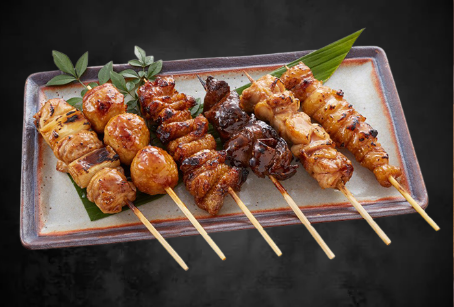
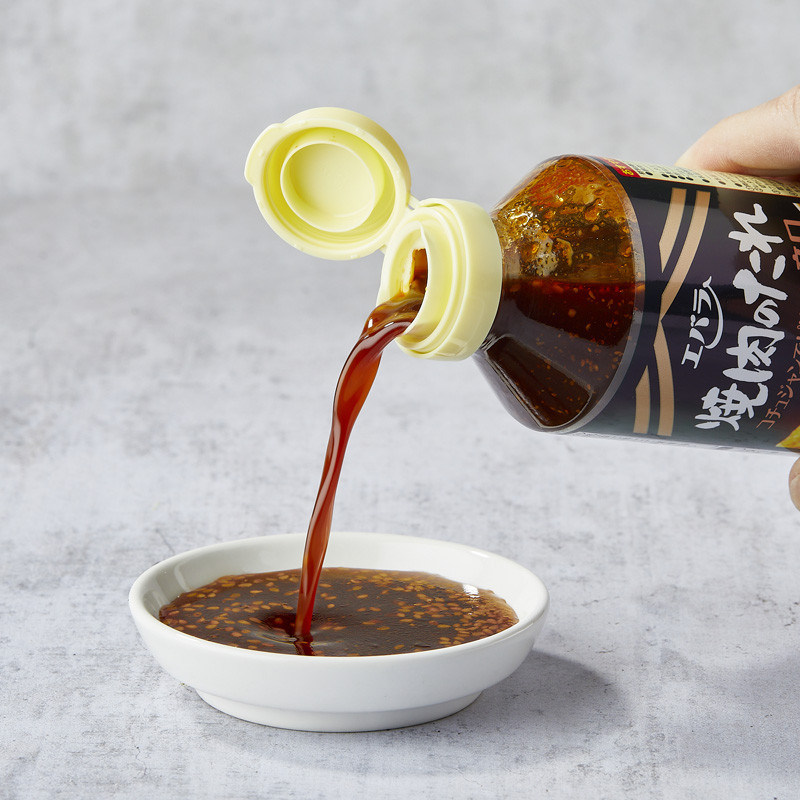
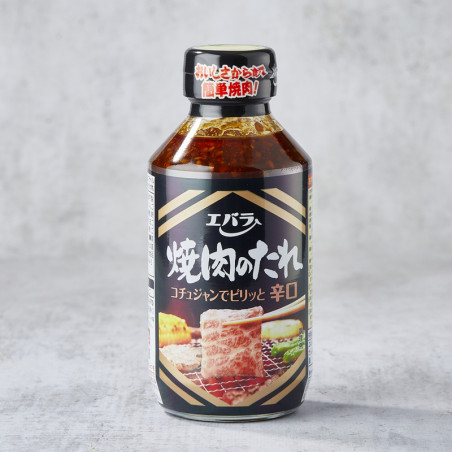
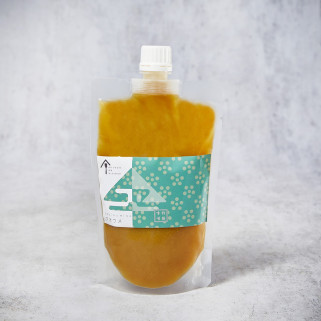
It is generally made from a base of soy sauce infused with the rich flavours of garlic, sesame and other spices. Yakiniku sauce presented here is very popular for yakitori skewers, whether poultry, pork or beef. It is rich in granulated sugar, giving a pleasant, fragrant and appetizing glaze.
Data sheet
Yakiniku means grilled meat. Japan's food culture had long prohibited the consumption of meat, and underwent profound changes during the Meiji period (1868-1912). Ban on eating meat was lifted with the arrival of Western culture.
Sukiyaki and other meat dishes are representative of this change, and special cooking methods were developed to add flavor to the meat and eliminate its sometimes strong odor, making it tastier.

ALCOHOL ABUSE IS DANGEROUS FOR YOUR HEALTH. CONSUME IN MODERATION. CONSUMING ALCOHOLIC BEVERAGES DURING PREGNANCY, EVEN IN SMALL QUANTITIES, CAN HAVE SERIOUS CONSEQUENCES FOR THE HEALTH OF THE CHILD.


FAQ