




Ref : NISNAK14
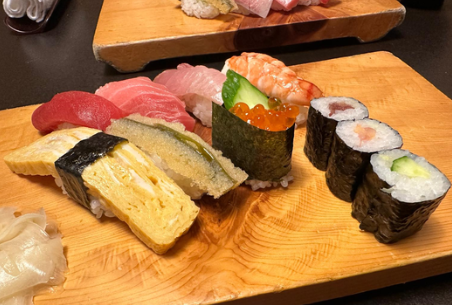
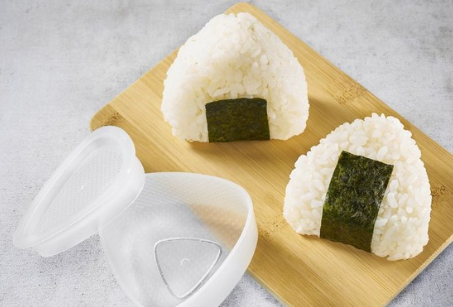
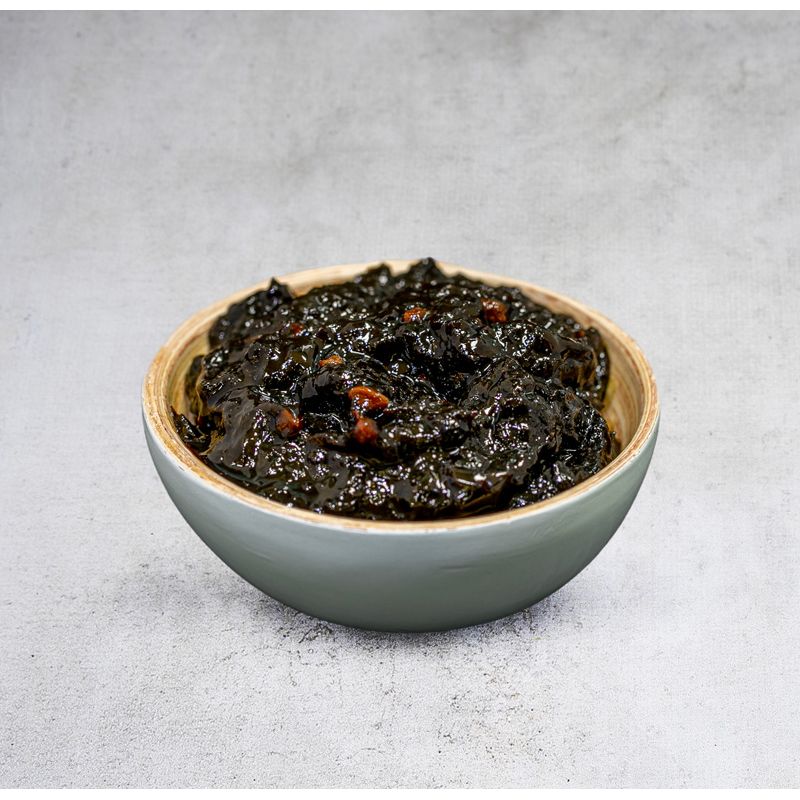
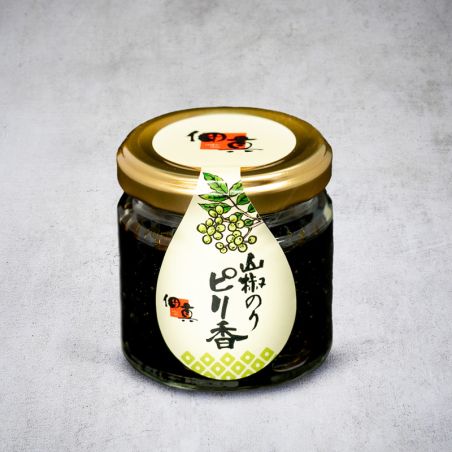
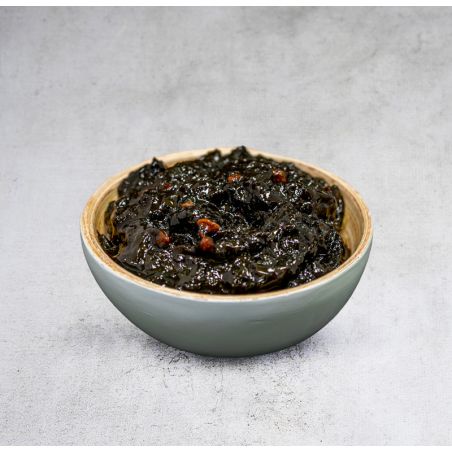
Nori tsukudani, delicately spiced with sansho berry (flavors of verbena or citrus fruit, little spicy or electric touch on top), accompanies well plain Japaneserice, onigiri, tamagoyaki, goat cheese, baked scallops or scallops carpaccio, scampi sashimi...
Tsukudani is a culinary preparation of seaweed or seafood, fish, shellfish, meat or vegetable that has been simmered for a long time in a sweet and salty sauce, usually with soy sauce, sugar and mirin.
It usually has an intense sweet and salty flavor, which helps preserve the ingredients.
Because of its strong flavor, tsukudani has been served with steamed rice since the Edo period (1600s-1800s) and is called Gohan no Okazu or rice side dish because it is eaten with steamed rice for flavor.
Tsukudani is always served and eaten fresh from the refrigerator and is not annealed before eating.
Data sheet
Nori tsukudani, delicately spiced with sansho berry (flavors of verbena or citrus fruit, little spicy or electric touch on top), accompanies well plain Japaneserice, onigiri, tamagoyaki, goat cheese, baked scallops or scallops carpaccio, scampi sashimi...

ALCOHOL ABUSE IS DANGEROUS FOR YOUR HEALTH. CONSUME IN MODERATION. CONSUMING ALCOHOLIC BEVERAGES DURING PREGNANCY, EVEN IN SMALL QUANTITIES, CAN HAVE SERIOUS CONSEQUENCES FOR THE HEALTH OF THE CHILD.


FAQ