Guaranteed delivery for Christmas
Shopping Cart
0
No Product Add in Cart
![]()
Filter
Price
Price
€0.00 - €150.00
Product
Product
Color
Color
Japanese dishes
Active filters
Sake services
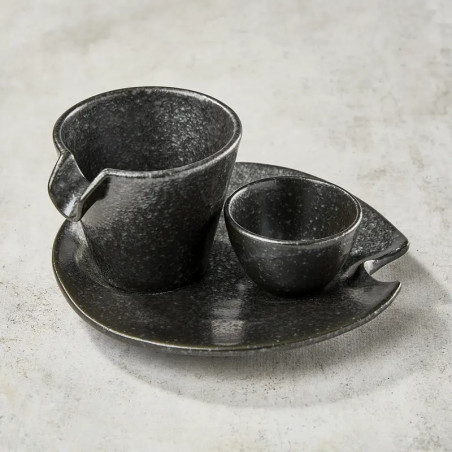
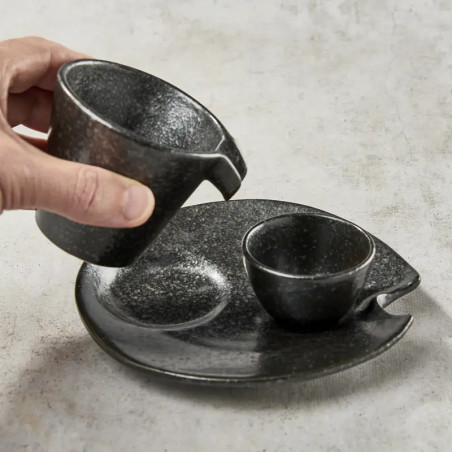
This compact sake service has been specially designed to serve cold sake as well as its tasting. It is a set intended for one person.
€34.10

from €11.50
€11.50
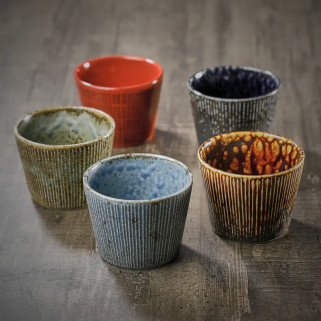
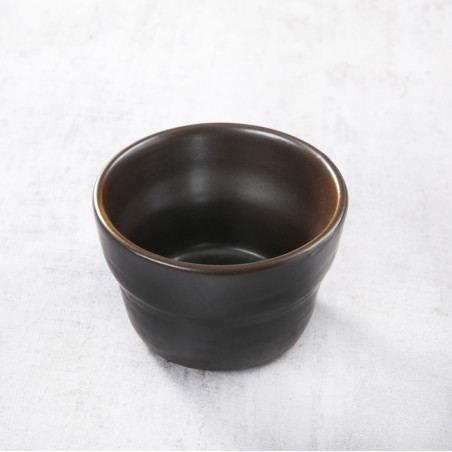
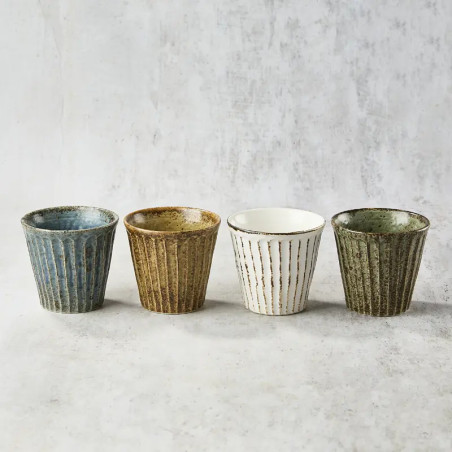
Tsuyu cup
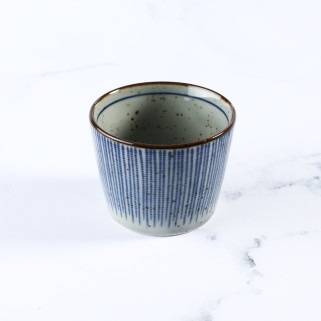
This cup is intended to hold the tsuyu broth that accompanies the soba. The tsuyu is usually made of dashi broth, soy sauce and mirin and is completed with chopped spring onion and grated ginger.
To eat the soba, simply dip it in the tsuyu to season it and eat it.
€11.50
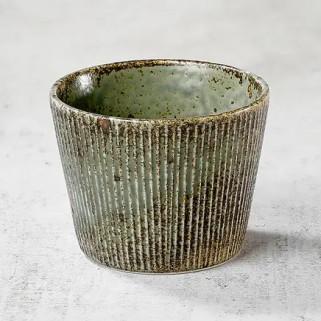
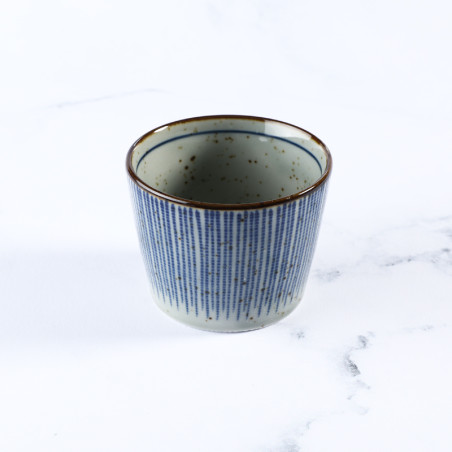
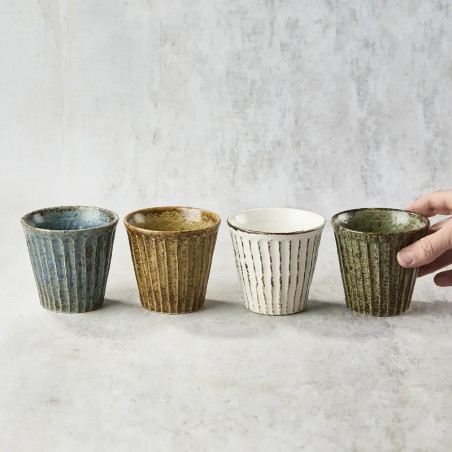
Tsuyu cup
This cup is intended to hold the tsuyu broth that accompanies the soba. The tsuyu is usually made of dashi broth, soy sauce and mirin and is completed with chopped spring onion and grated ginger.
To eat the soba, simply dip it in the tsuyu to season it and eat it.
€11.50
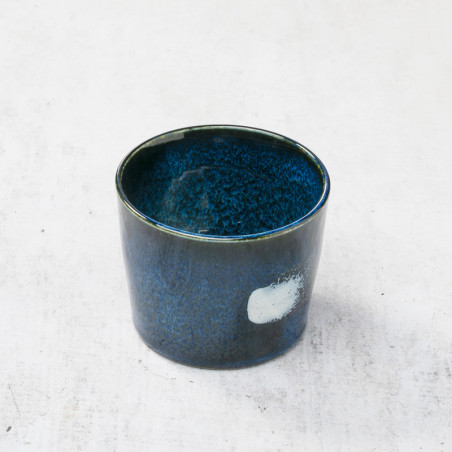
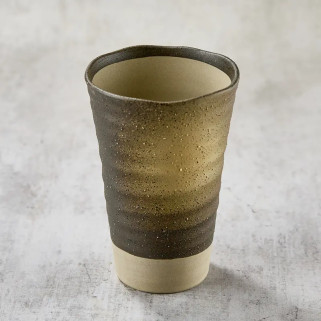
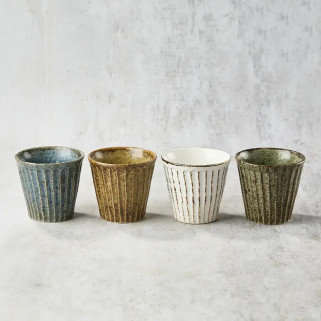
Aesthetics in traditional Japanese cuisine have always played an essential role, and the choice of tableware is just as important as that of ingredients. While many other cuisines prefer a plain white canvas, Japanese chefs use plates, bowls, glasses, serving utensils and chopsticks to enhance and complement the presentation of food.
<p...
€8.80
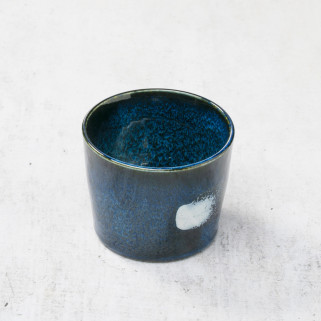
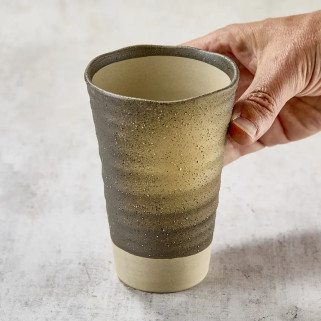
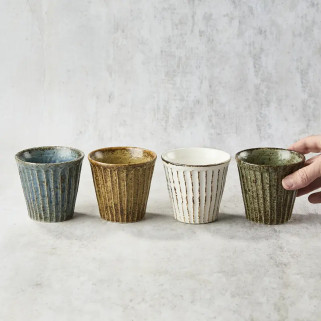
Aesthetics in traditional Japanese cuisine have always played an essential role, and the choice of tableware is just as important as that of ingredients. While many other cuisines prefer a plain white canvas, Japanese chefs use plates, bowls, glasses, serving utensils and chopsticks to enhance and complement the presentation of food.
<p...
€8.80
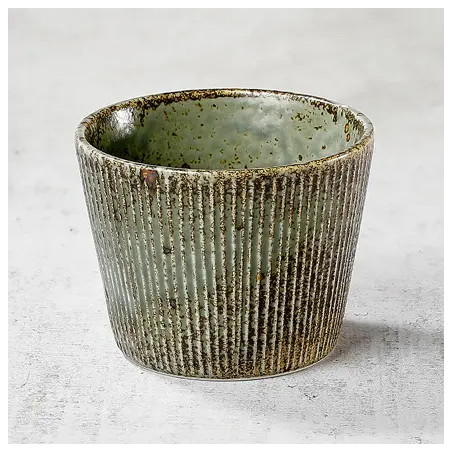
Glasses & carafes
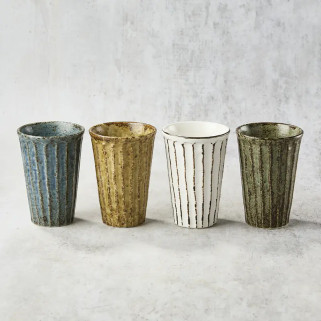
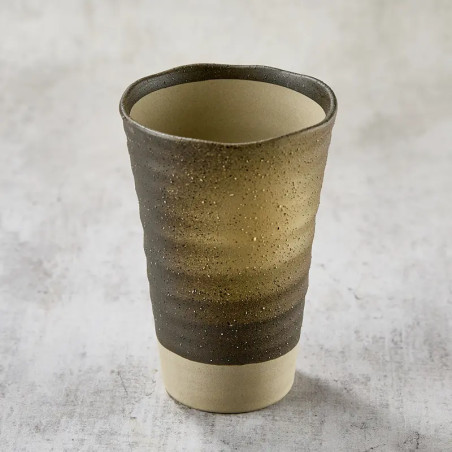
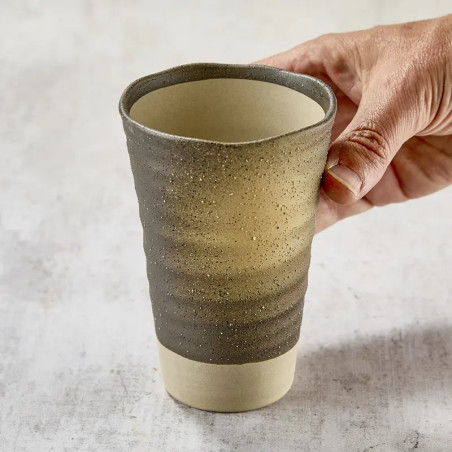
Aesthetics have always played an essential role in traditional Japanese cuisine, and the choice of tableware is just as important as the choice of ingredients.
While many other cuisines prefer a plain white canvas, Japanese chefs use plates, bowls, glasses, serving utensils, and chopsticks to enhance and complement the presentation of food.
This glass, with its traditional rustic...
€8.95
Glasses & carafes
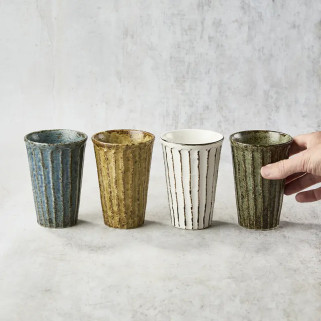
Aesthetics have always played an essential role in traditional Japanese cuisine, and the choice of tableware is just as important as the choice of ingredients.
While many other cuisines prefer a plain white canvas, Japanese chefs use plates, bowls, glasses, serving utensils, and chopsticks to enhance and complement the presentation of food.
This glass, with its traditional rustic...
€8.95
Glasses & carafes
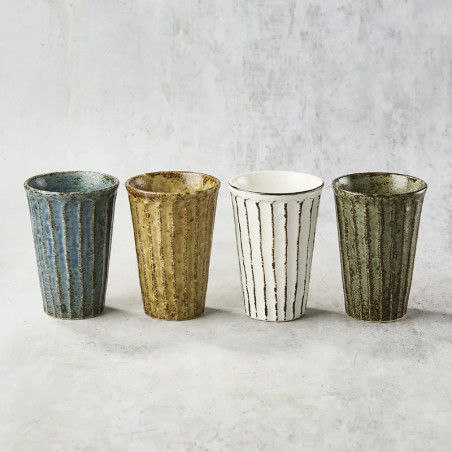
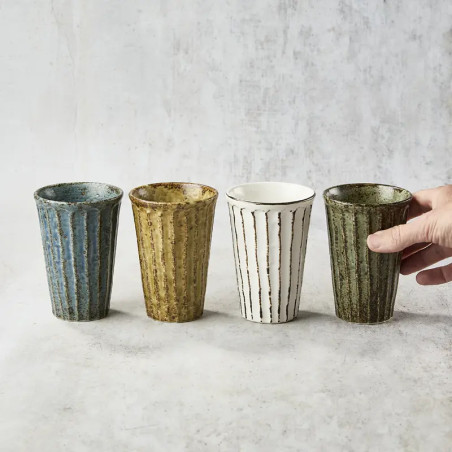
The aesthetics in traditional Japanese cuisine has always played a vital role, and the choice of dishes is just as important as the ingredients.
While many other kitchens prefer a united white canvas, Japanese leaders use plates, bowls, glasses, service utensils and chopsticks to improve and complete the food presentation. These glasses, traditional rustic appearance, meet...
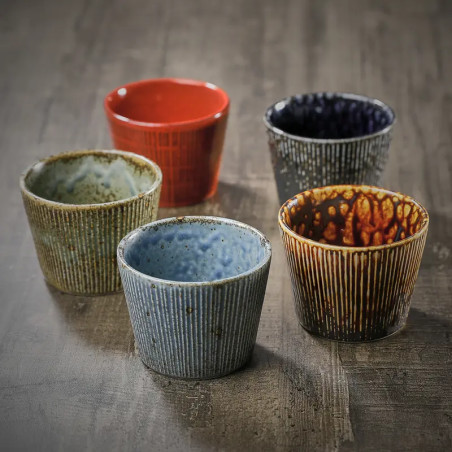
€44.00
Glasses & carafes
The aesthetics in traditional Japanese cuisine has always played a vital role, and the choice of dishes is just as important as the ingredients.
While many other kitchens prefer a united white canvas, Japanese leaders use plates, bowls, glasses, service utensils and chopsticks to improve and complete the food presentation. These glasses, traditional rustic appearance, meet...
€44.00
The aesthetics in traditional Japanese cuisine has always played a vital role, and the choice of dishes is just as important as the ingredients.
While many other kitchens prefer a united white canvas, Japanese leaders use plates, bowls, glasses, service utensils and chopsticks to improve and complete the food presentation.
These glasses, traditional rustic appearance, meet...
€36.00
The aesthetics in traditional Japanese cuisine has always played a vital role, and the choice of dishes is just as important as the ingredients.
While many other kitchens prefer a united white canvas, Japanese leaders use plates, bowls, glasses, service utensils and chopsticks to improve and complete the food presentation.
These glasses, traditional rustic appearance, meet...
€36.00
The Somen are fine Japanese noodles made from wheat flour and salt water. The dough obtained will rest for several hours before being spread and cut in long strings made with vegetable oil and then stretched, by hand for the best, then wrapping the strands around long bamboo chopsticks.
This stretch is essential to the...
€19.90
The Somen are fine Japanese noodles made from wheat flour and salt water. The dough obtained will rest for several hours before being spread and cut in long strings made with vegetable oil and then stretched, by hand for the best, then wrapping the strands around long bamboo chopsticks.
This stretch is essential to the...
€19.90
The Somen are fine Japanese noodles made from wheat flour and salt water. The dough obtained will rest for several hours before being spread and cut in long strings made with vegetable oil and then stretched, by hand for the best, then wrapping the strands around long bamboo chopsticks.
This stretch is essential to the...
€23.00
The Somen are fine Japanese noodles made from wheat flour and salt water. The dough obtained will rest for several hours before being spread and cut in long strings made with vegetable oil and then stretched, by hand for the best, then wrapping the strands around long bamboo chopsticks.
This stretch is essential to the...
€23.00
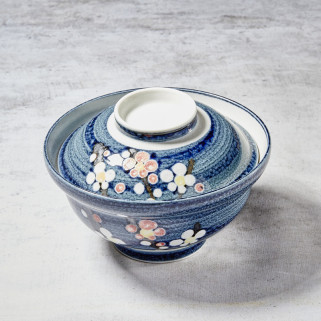
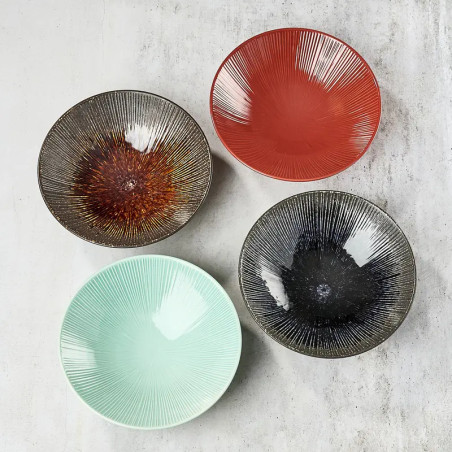
Donburi bowls
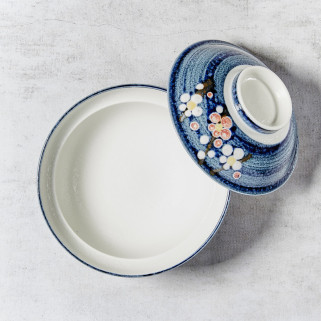
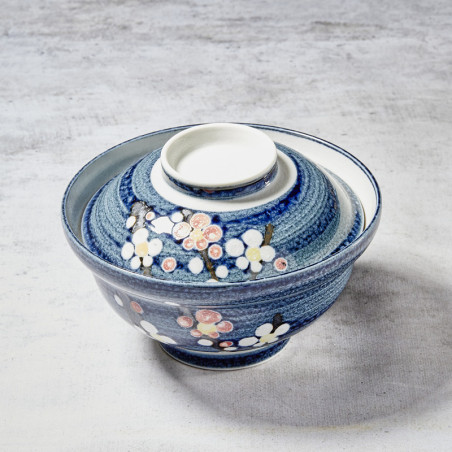
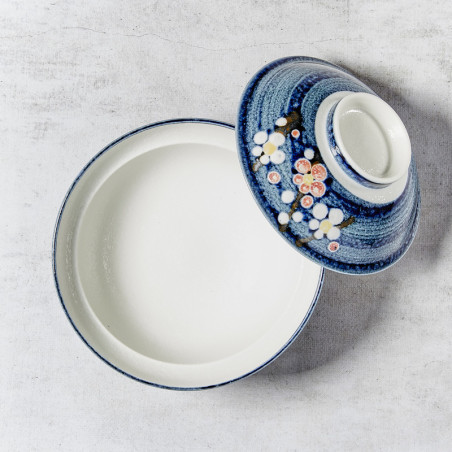
This particular bowl is reserved for the presentation and tasting of specific donburi: unagi-don (eel lacquered with soy sauce and mirin) and katsu-don (pan fried pork boneless collar). It will also make an excellent container for tasting shellfish, steamed fish or fish in broth...
€15.50
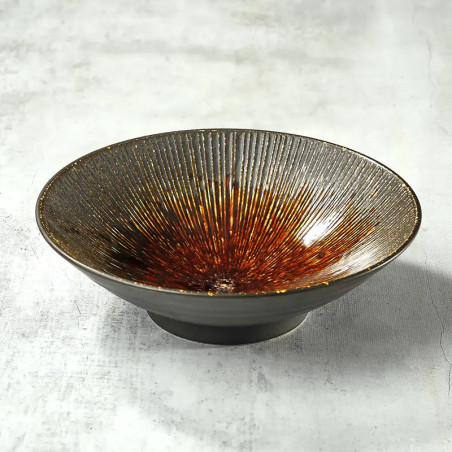
Donburi bowls
This particular bowl is reserved for the presentation and tasting of specific donburi: unagi-don (eel lacquered with soy sauce and mirin) and katsu-don (pan fried pork boneless collar). It will also make an excellent container for tasting shellfish, steamed fish or fish in broth...
€15.50
€16.50
(2 reviews)
Rice bowls
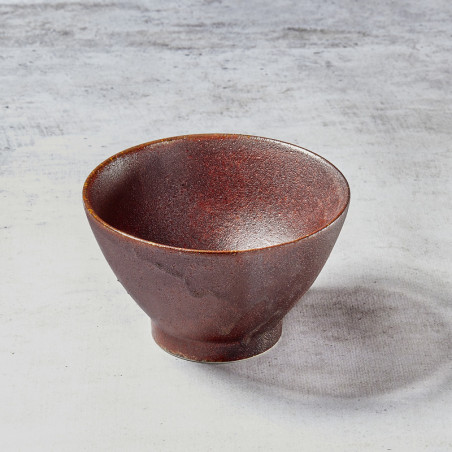
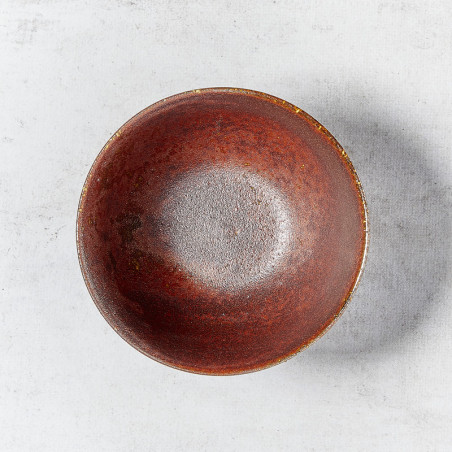
This bowl has a simple, traditional look and is perfect for enjoying your Japanese rice.
€16.50
(2 reviews)
Rice bowls
This bowl has a simple, traditional look and is perfect for enjoying your Japanese rice.
€16.50
(2 reviews)
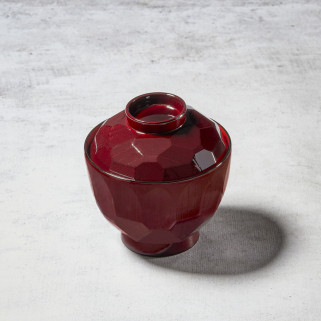
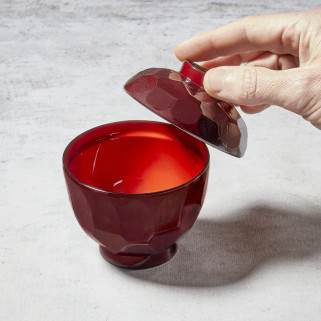
Miso soup bowls
Bowls are an integral part of Japanese cooking.
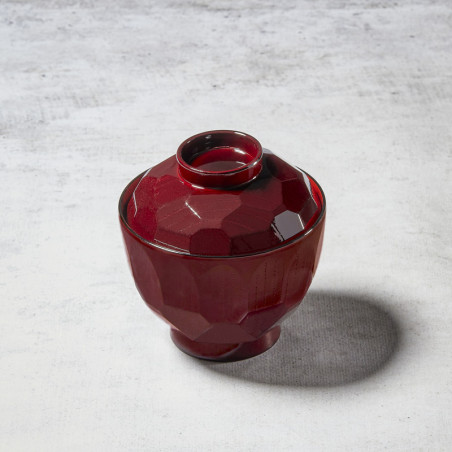
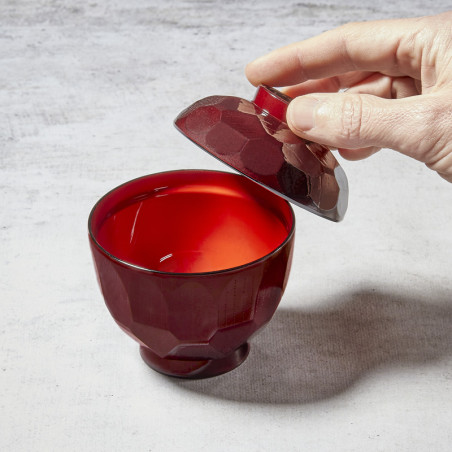
Those dedicated to miso soup are traditionally made of wood, lacquered, but relatively fragile.
They are used for every daily meal.
Miso soup bowls must imperatively fit in the hand.
€12.80
Miso soup bowls
Bowls are an integral part of Japanese cooking.
Those dedicated to miso soup are traditionally made of wood, lacquered, but relatively fragile.
They are used for every daily meal.
Miso soup bowls must imperatively fit in the hand.
€12.80
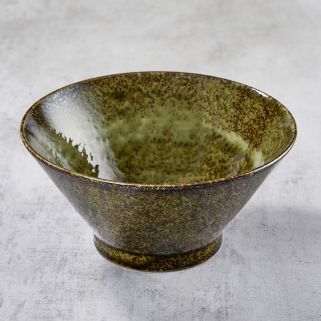
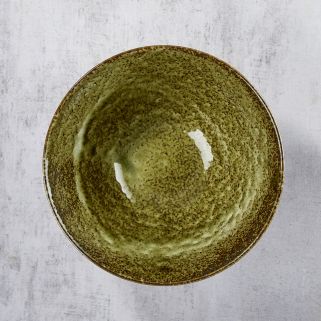
€17.00
(4 reviews)
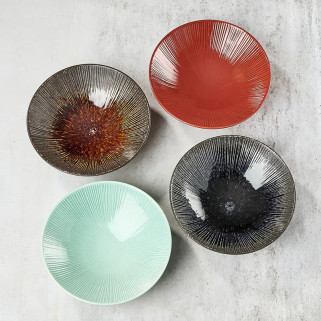
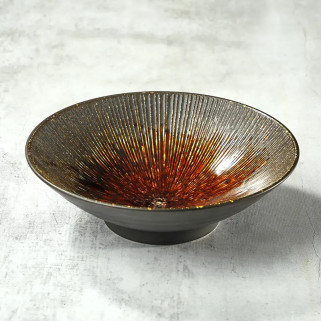
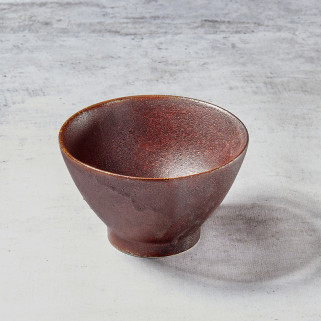
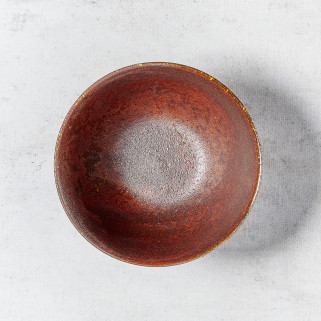
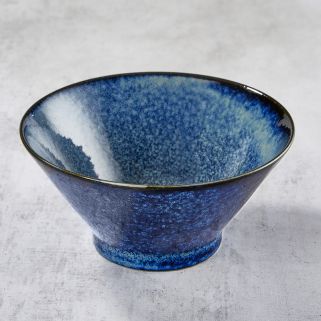
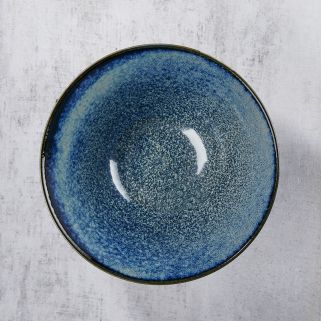
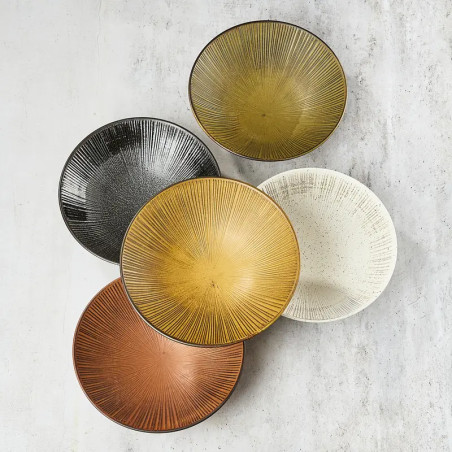
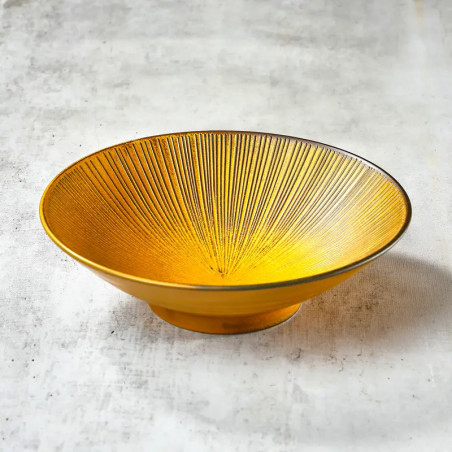
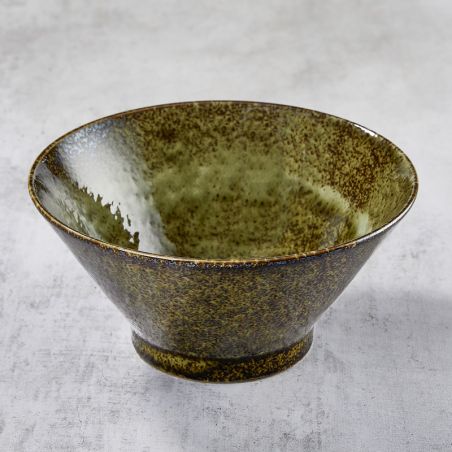
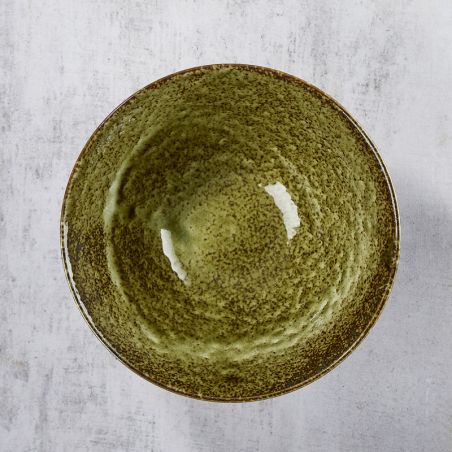
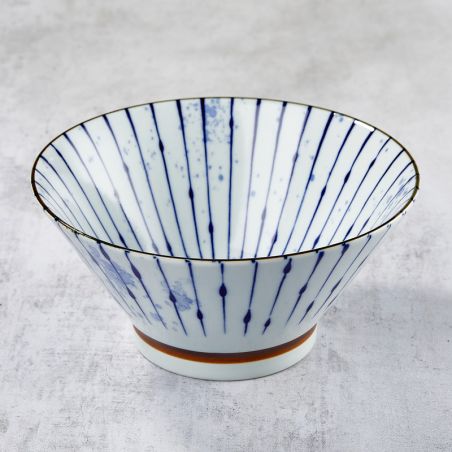
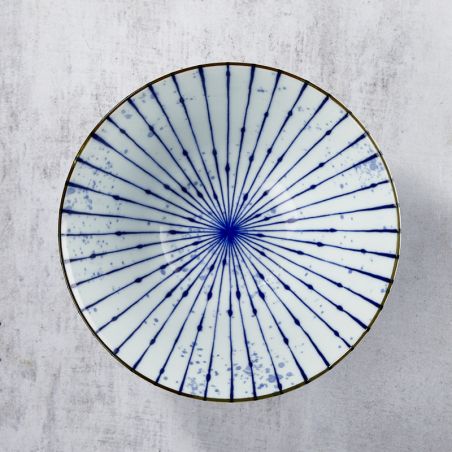
This bowl was also made using YOUHEN technique, a firing method that uses glaze to artificially express individual differences depending on fire, temperature and glaze composition inside kiln.
<span style="font-family:Aptos,...
€17.00
(4 reviews)
This bowl was also made using YOUHEN technique, a firing method that uses glaze to artificially express individual differences depending on fire, temperature and glaze composition inside kiln.
<span style="font-family:Aptos,...
€17.00
(4 reviews)
€17.00
(1 review)
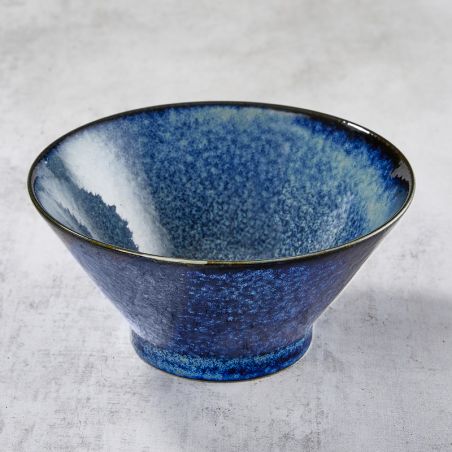
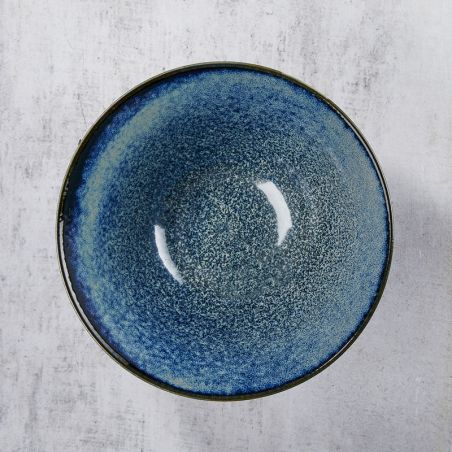
YOUHEN is a firing method that uses glaze to artificially express individual differences depending on fire, temperature and glaze composition inside kiln.
KON means dark blue. YOUHEN refers to color change that occurs inside kiln when vessel are fired at very high temperatures...
€17.00
(1 review)
YOUHEN is a firing method that uses glaze to artificially express individual differences depending on fire, temperature and glaze composition inside kiln.
KON means dark blue. YOUHEN refers to color change that occurs inside kiln when vessel are fired at very high temperatures...
€17.00
(1 review)
€17.00
(3 reviews)
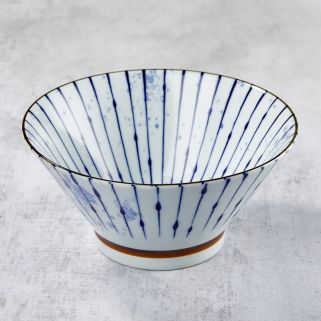
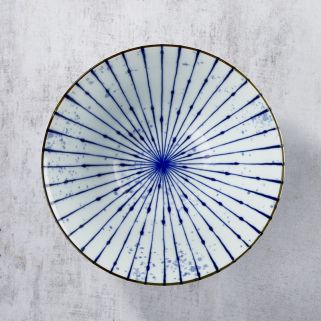
FUKIZUMI is one of painting techniques used to create patterns on works of art that appear to have been sprayed with sumi ink (Japanese solid ink).
It is a technique often used for tinted porcelain, in which paint dissolved in water is sprayed by rubbing a hard-bristled brush through a fine-mesh sieve to create a mist that...
€17.00
(3 reviews)
FUKIZUMI is one of painting techniques used to create patterns on works of art that appear to have been sprayed with sumi ink (Japanese solid ink).
It is a technique often used for tinted porcelain, in which paint dissolved in water is sprayed by rubbing a hard-bristled brush through a fine-mesh sieve to create a mist that...
€17.00
(3 reviews)
€35.00
(1 review)
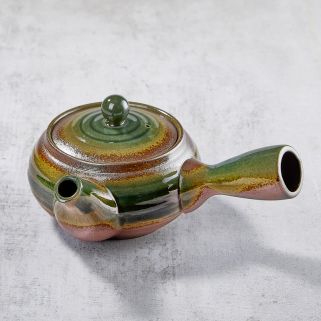
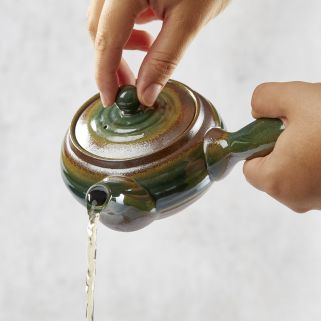
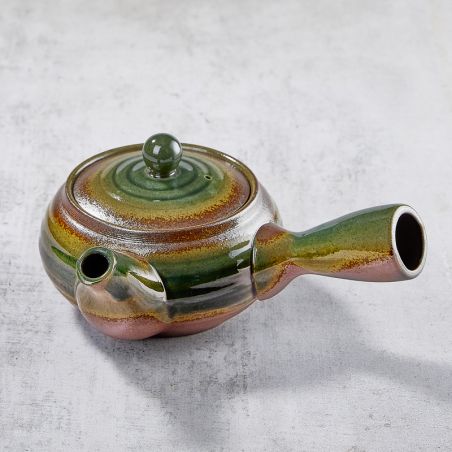
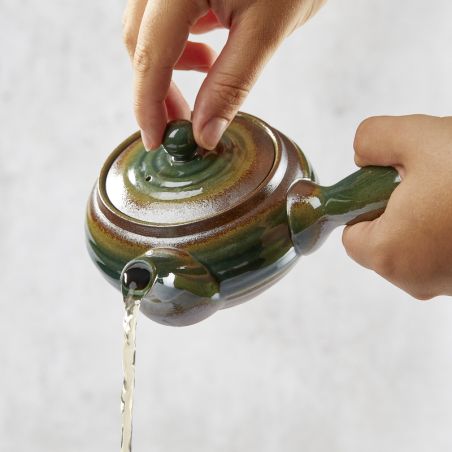
MIE PREFECTURE KYUSU BANKO-YAKI TEAPOTS COLLECTION
Banko-yaki is one of Japan's finest traditional ceramic techniques. ThIS tradition dates back to the 18th century, when Nunami Rouzan merchant affixed a seal with bankofueki words, or "eternity, constancy", to earthenware made in Yokkaichi town, Mié Prefecture....
€35.00
(1 review)
MIE PREFECTURE KYUSU BANKO-YAKI TEAPOTS COLLECTION
Banko-yaki is one of Japan's finest traditional ceramic techniques. ThIS tradition dates back to the 18th century, when Nunami Rouzan merchant affixed a seal with bankofueki words, or "eternity, constancy", to earthenware made in Yokkaichi town, Mié Prefecture....
€35.00
(1 review)
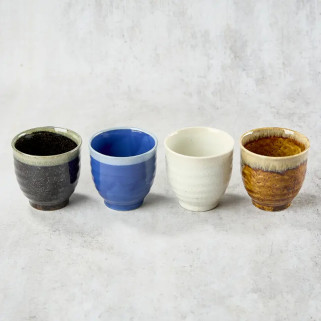
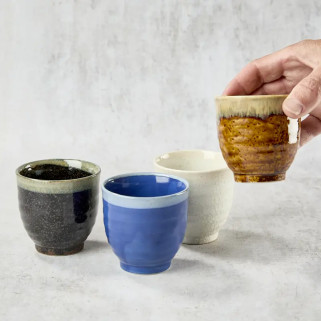
Japanese teacups are more than just containers for enjoying your beverage. They are often considered works of art, reflecting Japanese culture and aesthetics.
Tea cups are meant to bring you aromatic and gustatory pleasures. They highlight natural material of which they are made, in this case ceramic. Designs are elegant,...
€21.50
Japanese teacups are more than just containers for enjoying your beverage. They are often considered works of art, reflecting Japanese culture and aesthetics.
Tea cups are meant to bring you aromatic and gustatory pleasures. They highlight natural material of which they are made, in this case ceramic. Designs are elegant,...
€21.50
Store information
location_onNishikidori
140 rue Georges Guynemer
ZAC de l'Aéropôle
44150 Ancenis
France
140 rue Georges Guynemer
ZAC de l'Aéropôle
44150 Ancenis
France
emailsav@nishikidori.com
printOuvert de 5h à midi

ALCOHOL ABUSE IS DANGEROUS FOR YOUR HEALTH. CONSUME IN MODERATION. CONSUMING ALCOHOLIC BEVERAGES DURING PREGNANCY, EVEN IN SMALL QUANTITIES, CAN HAVE SERIOUS CONSEQUENCES FOR THE HEALTH OF THE CHILD.
FAQ