![]()
Japanese dishes
Filtres
125 products
€15.00
(2 reviews)
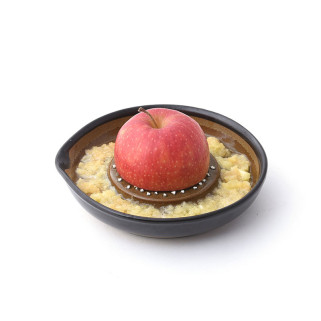
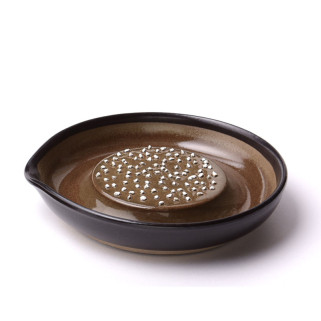
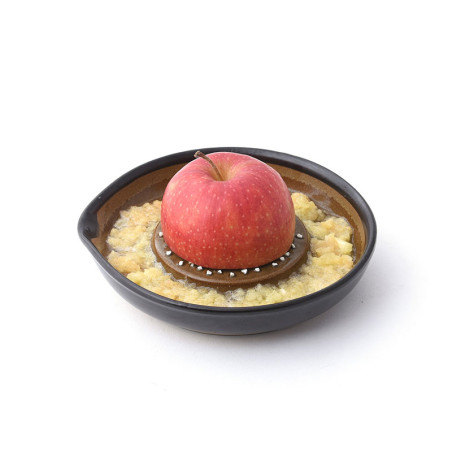
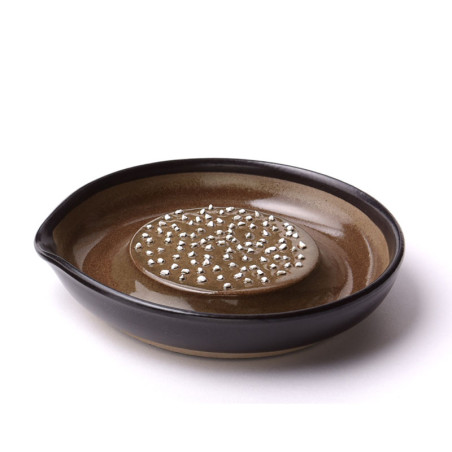
Wasabi - Citruses - Peels - Radish - Ginger graters
These graters are made by MOTOSHIGE, a small potter specializing in the manufacture of mortars and rasps since 1925. Based in the Iwami region, Shimane prefecture, in western Japan, MOTOSHIGE perpetuates the know-how of pottery historical Iwami-yaki of the region. Iwami-yaki is known for...
€15.00
(2 reviews)
Chawan-mushi bowls
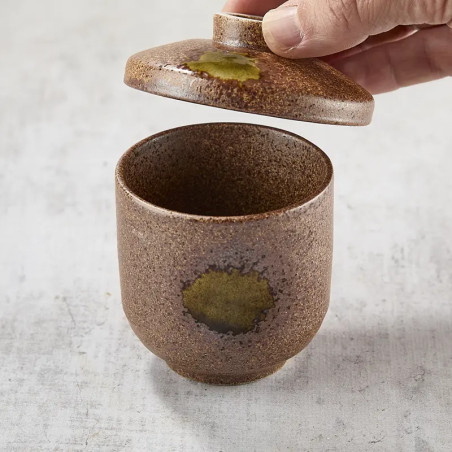
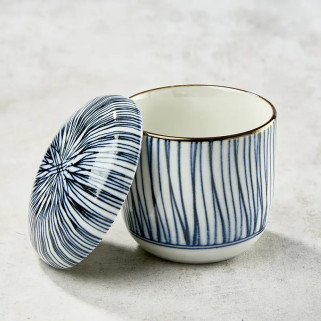
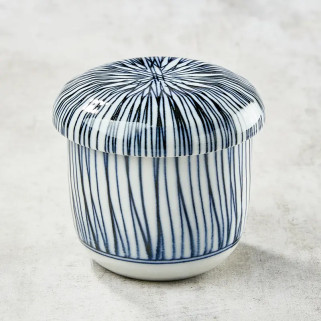
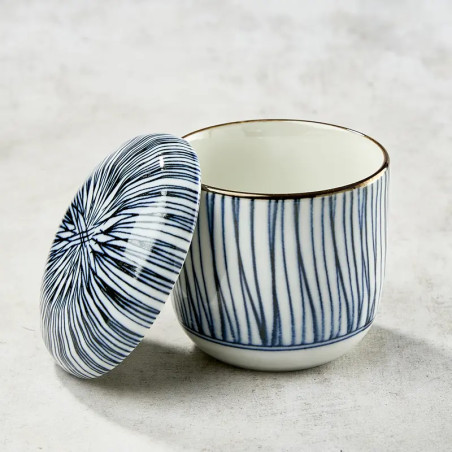
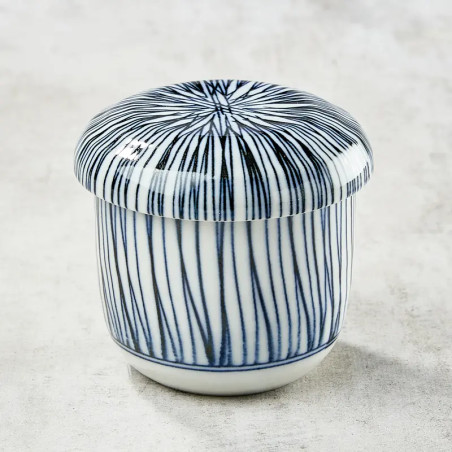
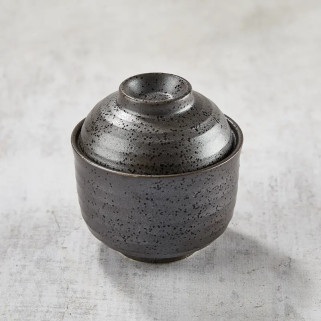
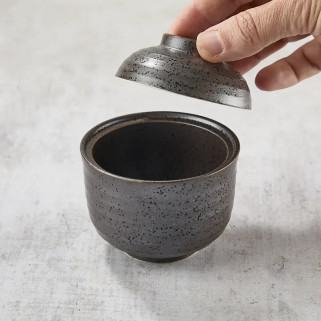
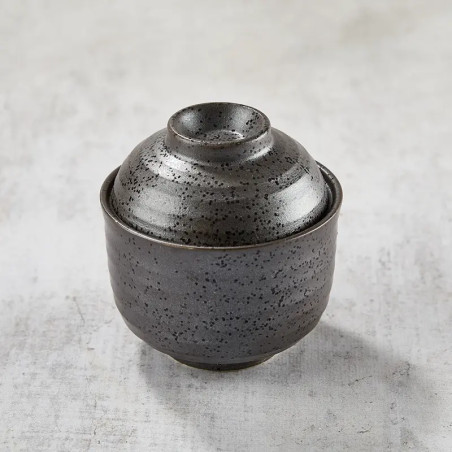
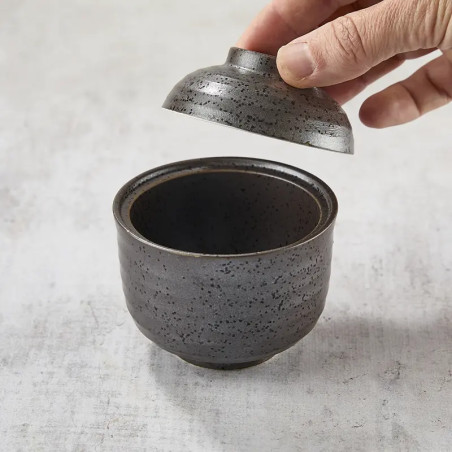
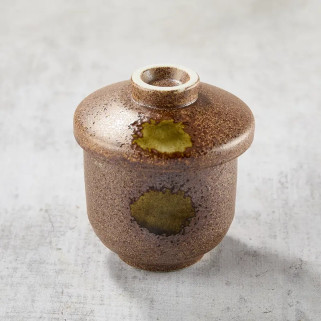
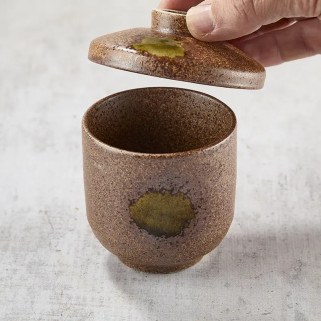
Chawanmushi, literally in Japanese: steam cooked, is an egg salt blank, without milk. Its cooking requires some control because the steam must not drop on the blank. The aesthetics in traditional Japanese cuisine has always played a vital role, and the choice of dishes is just as important as the ingredients. While many other kitchens prefer a united white canvas, Japanese leaders use...
€26.05
€16.30
(3 reviews)
Donburi bowls
Aesthetics in traditional Japanese cooking have always played a key role, and the choice of dinnerware is just as important as the choice of ingredients.
While many other cuisines prefer a plain white canvas, Japanese chefs use plates, bowls, glasses, serving utensils and chopsticks to enhance and complement the...
€16.30
(3 reviews)
Donburi bowls
Aesthetics in traditional Japanese cooking have always played a key role, and the choice of dinnerware is just as important as the choice of ingredients.
While many other cuisines prefer a plain white cloth, Japanese chefs use plates, bowls, glasses, serving utensils and chopsticks to enhance and complement the presentation of...
€15.50
Donburi bowls
Aesthetics in traditional Japanese cooking have always played a key role, and the choice of dinnerware is just as important as the choice of ingredients.
While many other cuisines prefer a plain white cloth, Japanese chefs use plates, bowls, glasses, serving utensils and chopsticks to enhance and complement the presentation of...
€15.80
€17.00
(2 reviews)
Ochazuke is a traditional Japanese dish, served in a bowl in which tea or broth is poured over rice. It's a comforting staple for those wishing to eat a light but hot meal in cold weather, or even serve it as a cold tea in summer (preferring ryokucha or mugicha teas).
"Ocha" means tea and "zuke" means submerged. Consequently,...
€8.50
€57.00
(2 reviews)
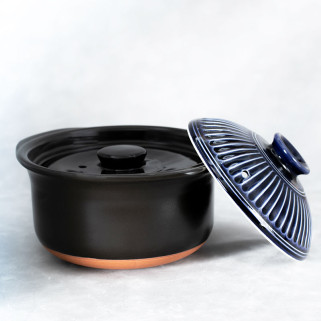
Cooking equipment
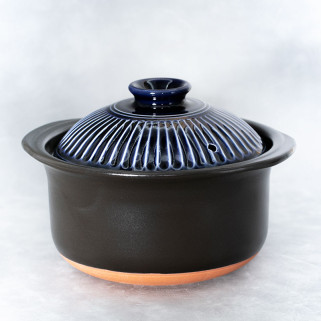
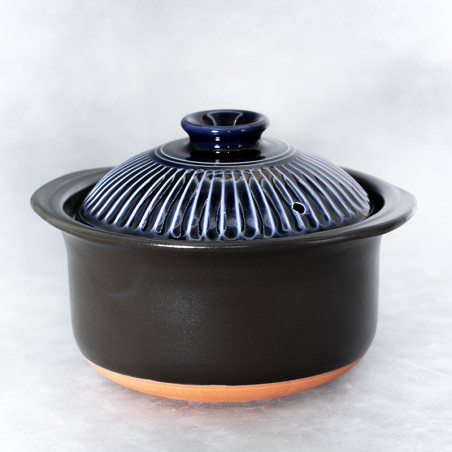
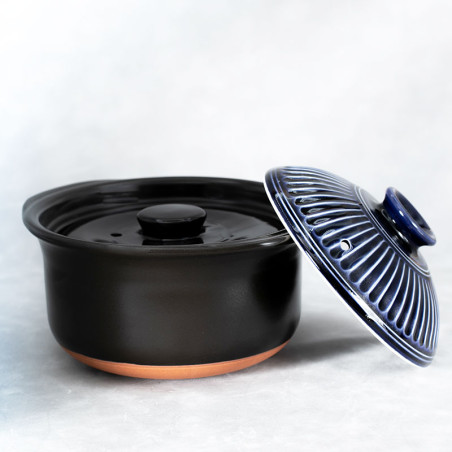
Kikka dish special for cooking Japanese rice
This handy “Donabe” style ceramic pot allows you to cook Japanese rice in 30 minutes without any flame control.
€57.00
(2 reviews)
€8.50
€8.50
Bowls
Ochazuke is a traditional Japanese dish, served in a bowl in which tea or broth is poured over rice.
It's a comforting staple for those wishing to eat a light but hot meal in cold weather, or even serve it as a cold tea in summer (preferring ryokucha or mugicha teas).
"Ocha" means tea and "zuke"...
€8.50
Ochazuke is a traditional Japanese dish, served in a bowl in which tea or broth is poured over rice. It's a comforting staple for those wishing to eat a light but hot meal in cold weather, or even serve it as a cold tea in summer (preferring ryokucha or mugicha teas).
"Ocha" means tea and "zuke" means submerged. Consequently,...
€8.50
€8.50
(1 review)
Donburi bowls
Aesthetics in traditional Japanese cooking have always played a key role, and the choice of dinnerware is just as important as the choice of ingredients.
While many other cuisines prefer a plain white cloth, Japanese chefs use plates, bowls, glasses, serving utensils and chopsticks to enhance and complement the presentation of...
€8.50
(1 review)
€8.50
(1 review)
Donburi bowls
Aesthetics in traditional Japanese cooking have always played a key role, and the choice of dinnerware is just as important as the choice of ingredients.
While many other cuisines prefer a plain white cloth, Japanese chefs use plates, bowls, glasses, serving utensils and chopsticks to enhance and complement the presentation of...
€8.50
(1 review)
from €9.00
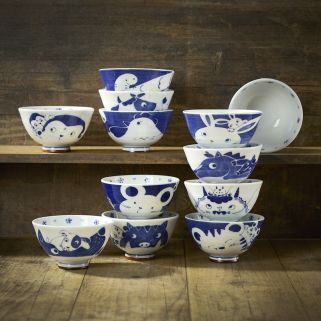
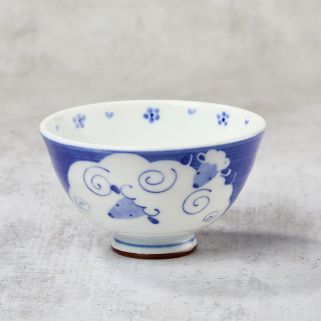
Rice bowls
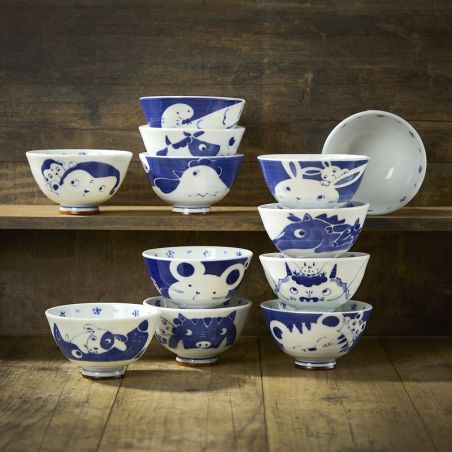
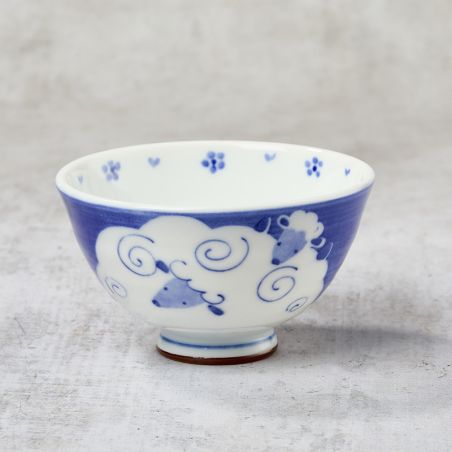
Japanese rice is a delicacy in its own right. It benefits from dedicated tableware in Japanese tableware. These porcelain rice bowls, illustrated with the Japanese zodiac signs, are fine and light.
You'll enjoy using them by choosing them according to your children's Japanese zodiac sign. Suitable for a 150-200g portion of white...
€9.00
from €17.50
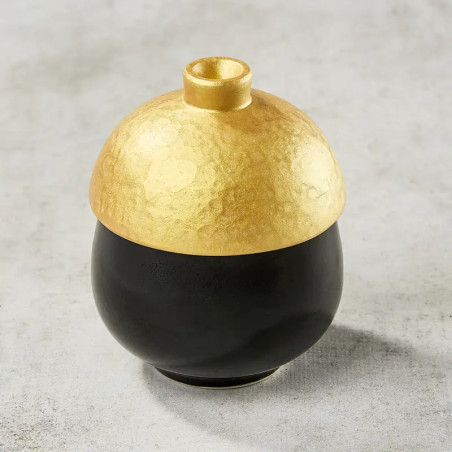
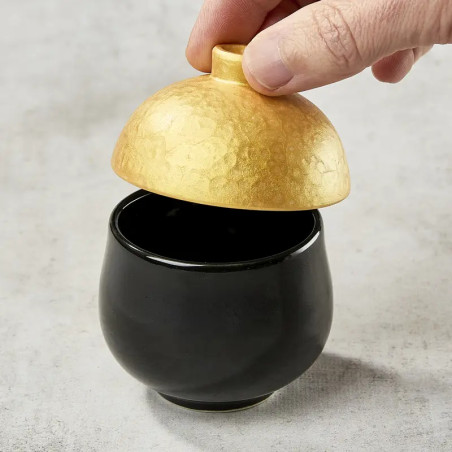
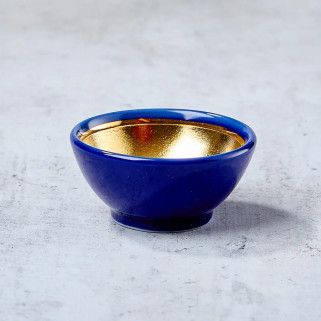
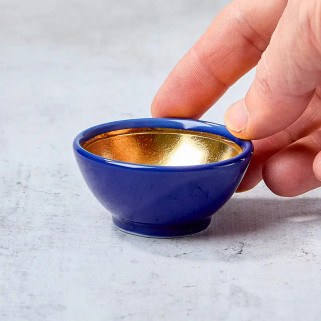
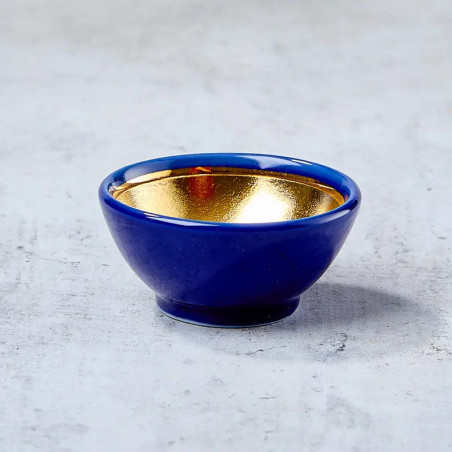
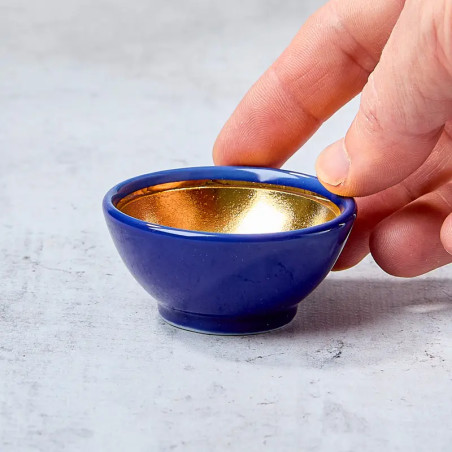
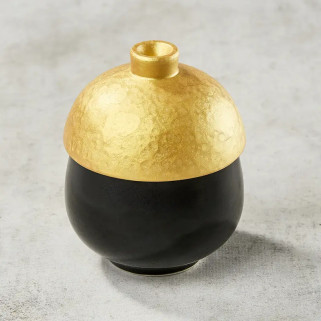
GOLD-PLATED APPETIZERS
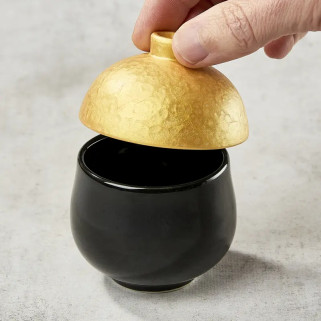
These small containers fit in hand palm. Those shaped like mini-bowls are called “mamebachi”. They are ideal for serving small quantities of extravagant victuals with sake, or for serving soy sauce with sashimi. They also make elegant appetizer containers for restaurants. Golden color enhances dishes...
€17.50
€27.00
(2 reviews)
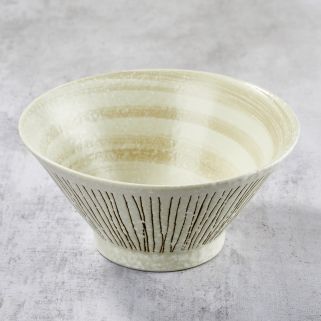
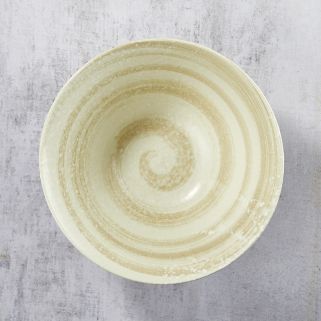
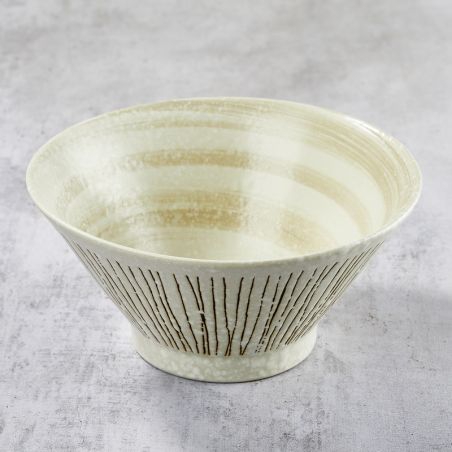
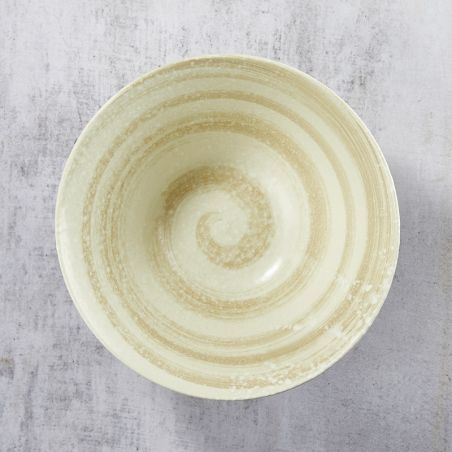
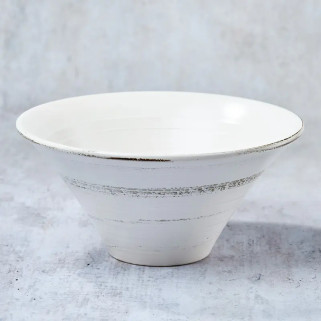
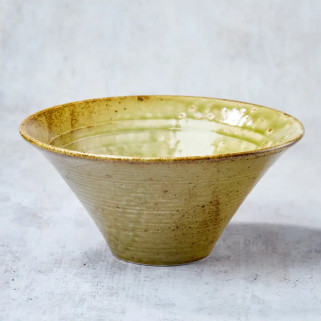
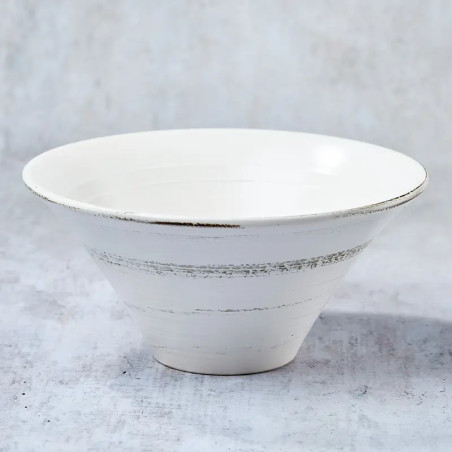
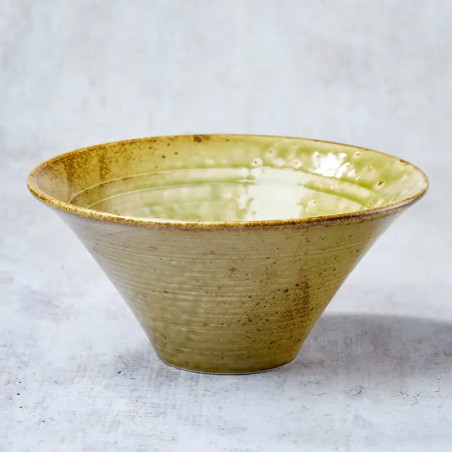
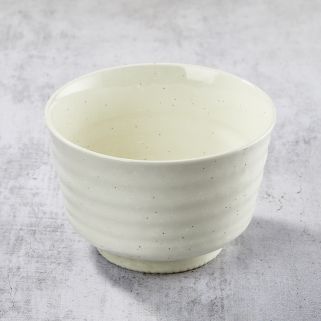
For this collection, bowl's slender base extends like a fleur-de-lis, so that, for ramen, even a small amount of soup looks good on the plate. Brushed look on the bowl side adds a beautiful accent.
€27.00
(2 reviews)
€14.50
(1 review)
Donburi is an emblematic dish of Japanese cuisine. Word donburi, sometimes shortened to don, literally means “big bowl” in Japanese. This large bowl is filled with plain white rice and topped with a filling of meat, vegetables and/or fish simmered together in a sauce generally based on soy sauce and mirin, followed by dashi. However, sauce may vary according to...
€14.50
(1 review)
€9.00
(2 reviews)
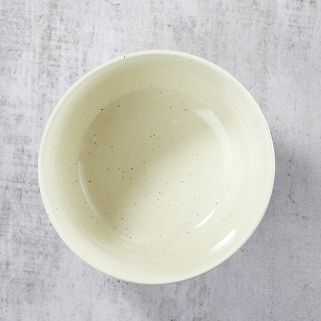
Donburi bowls
Donburi is an emblematic dish of Japanese cuisine. Word donburi, sometimes shortened to don, literally means “big bowl” in Japanese. This large bowl is filled with plain white rice and topped with a filling of meat, vegetables and/or fish simmered together in a sauce generally based on soy sauce and mirin, followed by dashi.
<p...
€9.00
(2 reviews)
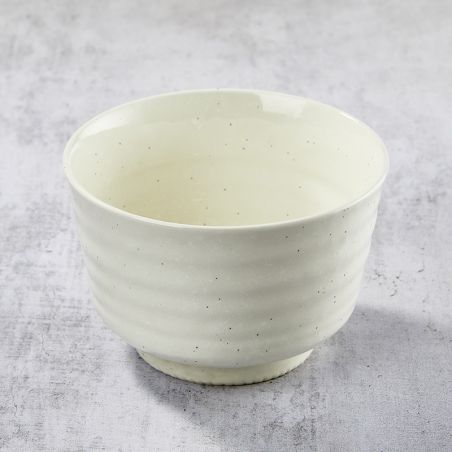
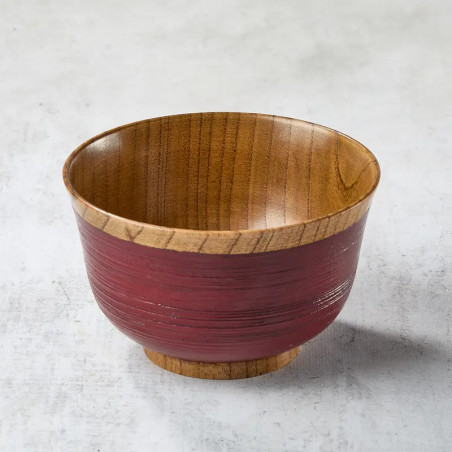
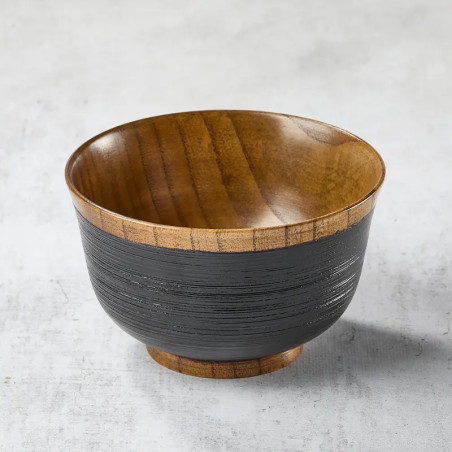
The shinogi design alludes to the prominent edge that runs the length of a katana blade. Vertical lines on the outside of this rice bowl are expressed in a handwritten style with irregularities.
Deep rice bowl is recommended for soups and appetizers. This bowl texture enhances rice and stimulates appetite. These rice bowls are...
€9.30
Soba are noodles made from buckwheat flour, about as thick as spaghetti. Highest-quality soba noodles are made with 80% buckwheat flour and 20% wheat flour. Made with 1200% buckwheat flour, they are more brittle when cooked.
Soba can be eaten hot or cold. Soba noodles have been part of traditional Japanese cuisine since the Edo...
€15.30
€8.50
(1 review)
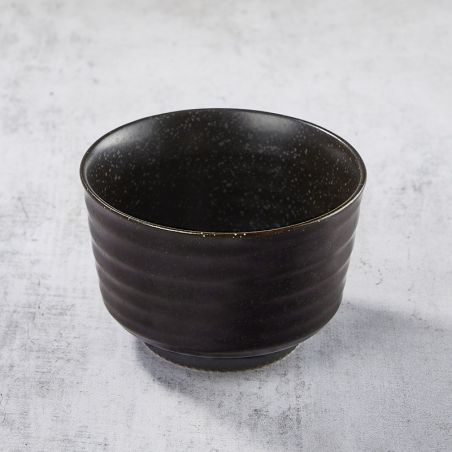
Bowls for starters
Aesthetics have always played an essential role in traditional Japanese cooking, and the choice of tableware is just as important as that of ingredients.
While many other cuisines prefer a plain white canvas, Japanese chefs use plates, bowls, glasses, serving utensils and chopsticks to enhance and complement the presentation of...
€8.50
(1 review)
€8.50
(1 review)
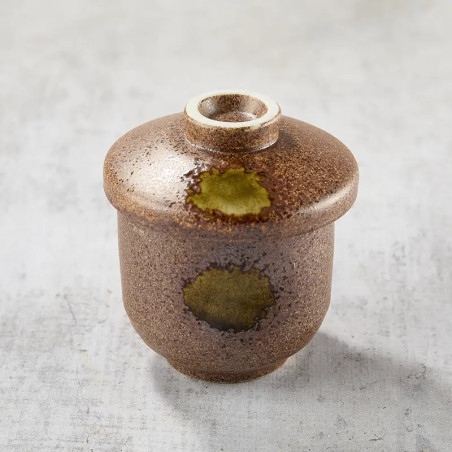
Aesthetics in traditional Japanese cuisine have always played an essential role, and the choice of tableware is just as important as that of ingredients.
While many other cuisines prefer a plain white cloth, Japanese chefs use plates, bowls, glasses, serving utensils and chopsticks to enhance and complement the presentation of...
€8.50
(1 review)
€33.48-10%
€37.20€33.48-10%€37.20
Rice bowls
The Shinogi design is inspired by the prominent ridge running along the length of a katana blade. The vertical lines adorning the exterior of this rice bowl are hand-drawn, creating a slightly irregular, artisanal look.
€33.48-10%€37.20
from €5.50
Aesthetics have always played an essential role in traditional Japanese cuisine, and tableware choice is just as important as ingredients choice. While many other cuisines prefer a plain white canvas, Japanese chefs use plates, bowls, glasses, serving utensils, and chopsticks to enhance and complement food presentation.
The...
€5.50
Aesthetics have always played an essential role in traditional Japanese cuisine, and tableware choice is just as important as ingredients choice.
While many other cuisines prefer a plain white canvas, Japanese chefs use plates, bowls, glasses, serving utensils, and chopsticks to enhance and complement the presentation of...
€19.20
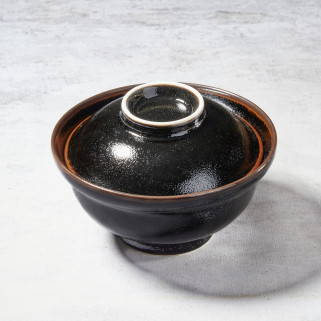
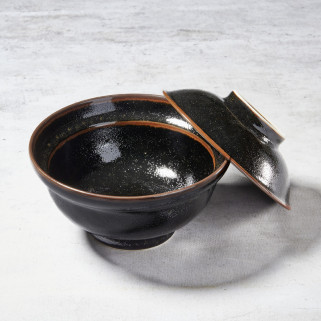
Chawan-mushi bowls
Aesthetics have always played an essential role in traditional Japanese cuisine, and tableware choice is just as important as ingredients choice.
While many other cuisines prefer a plain white canvas, Japanese chefs use plates, bowls, glasses, serving utensils, and chopsticks to enhance and complement the presentation of...
€11.95
Chawan-mushi bowls
Aesthetics have always played an essential role in traditional Japanese cuisine, and tableware choice is just as important as ingredients choice.
While many other cuisines prefer a plain white canvas, Japanese chefs use plates, bowls, glasses, serving utensils, and chopsticks to enhance and complement the presentation of food....
€11.95
Chawan-mushi bowls
Aesthetics have always played an essential role in traditional Japanese cuisine, and tableware choice is just as important as ingredients choice.
While many other cuisines prefer a plain white canvas, Japanese chefs use plates, bowls, glasses, serving utensils, and chopsticks to enhance and complement the presentation of food.
Chawanmushi, literally “steamed in a bowl” in...
€11.00
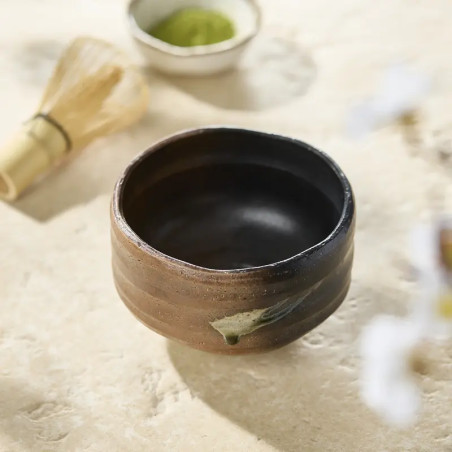
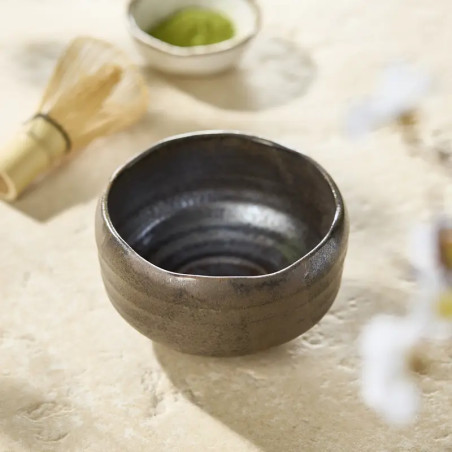
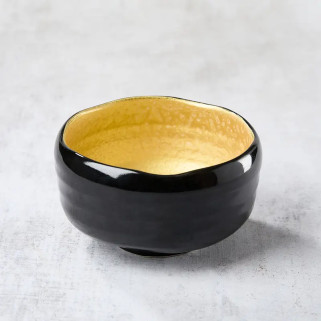
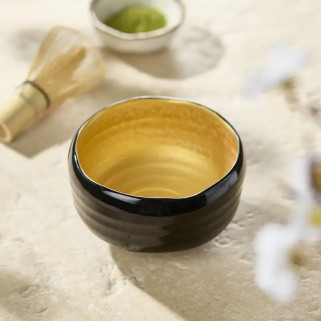
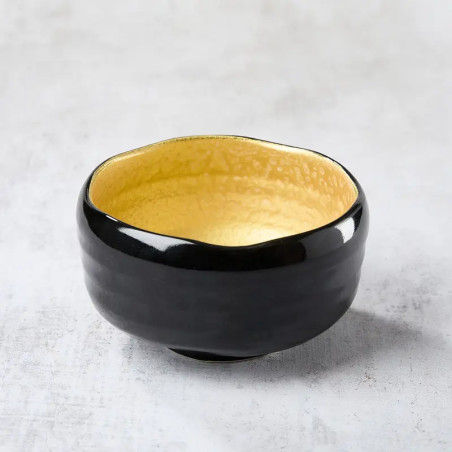
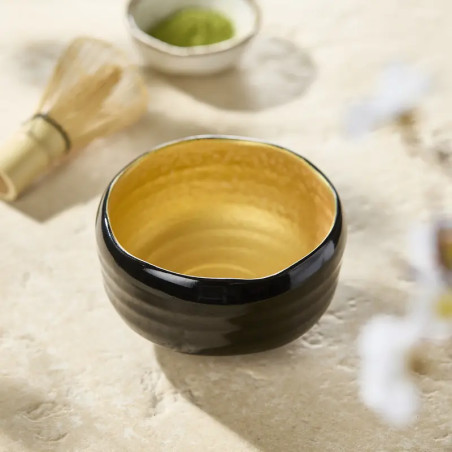
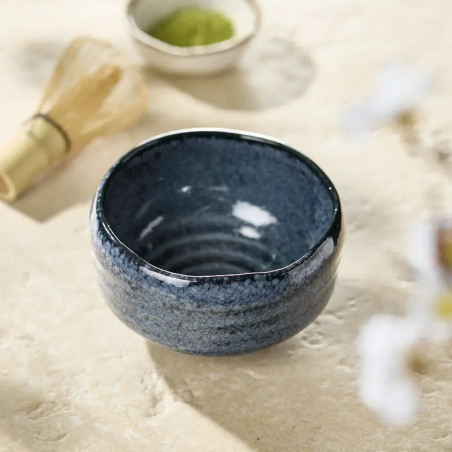
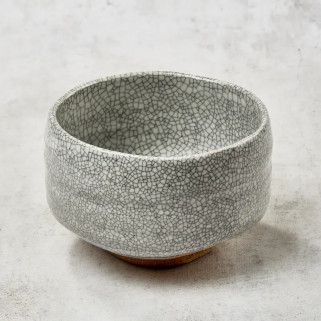
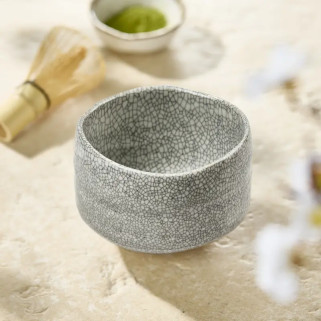
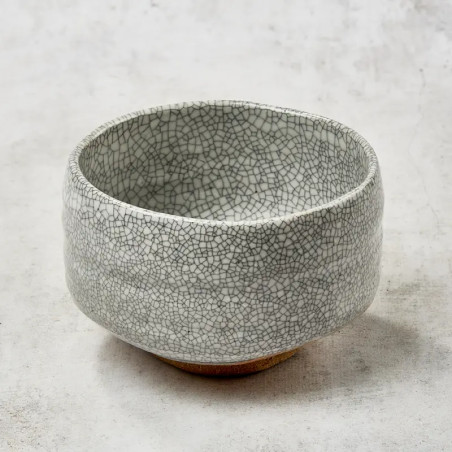
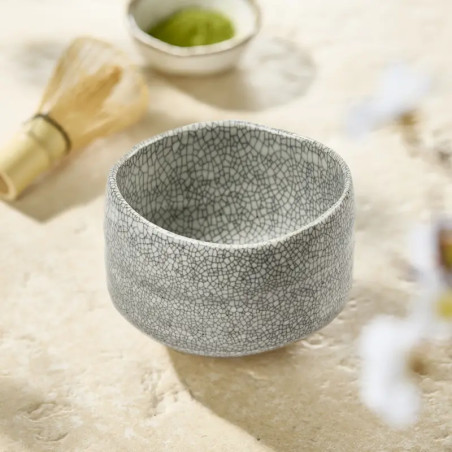
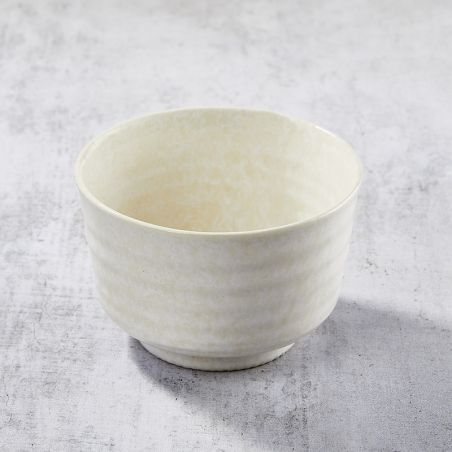
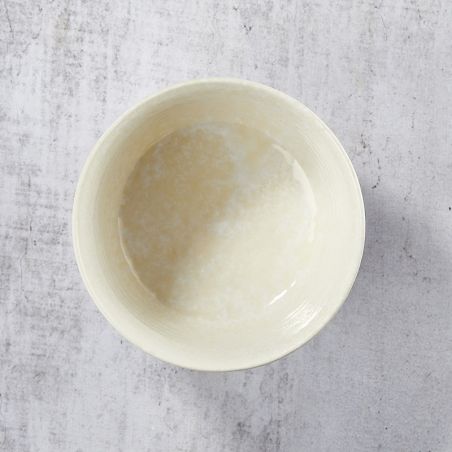
Matcha bowl
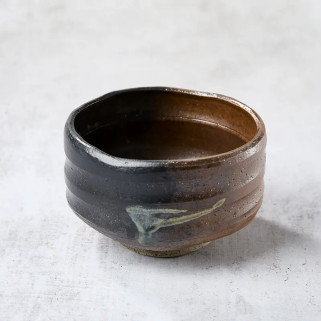
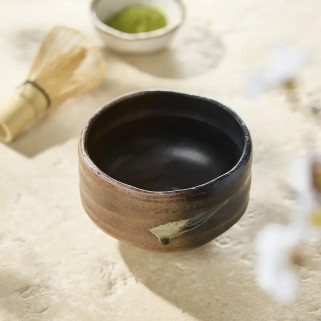
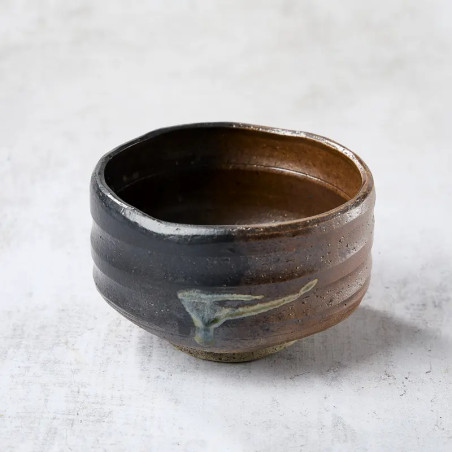
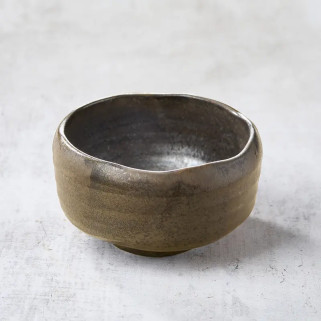
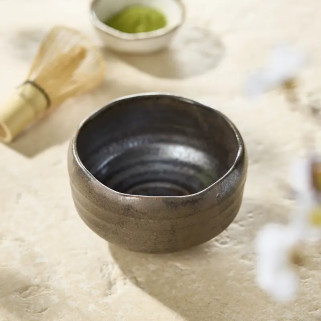
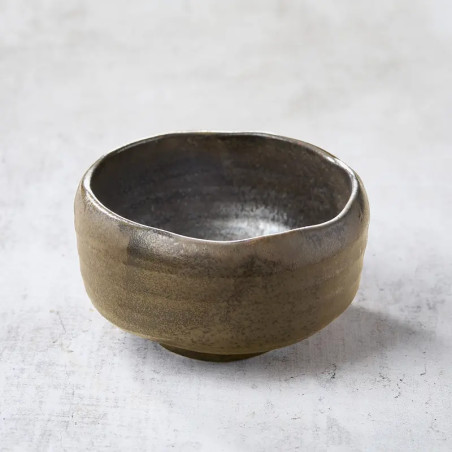
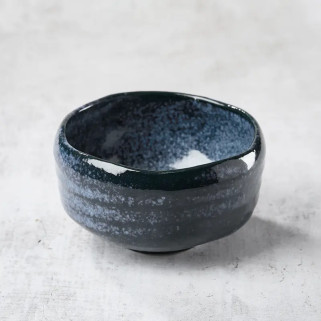
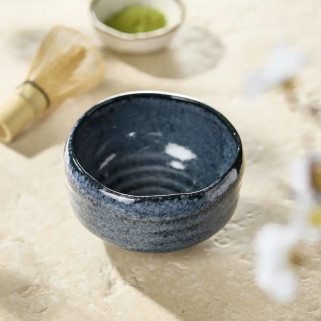
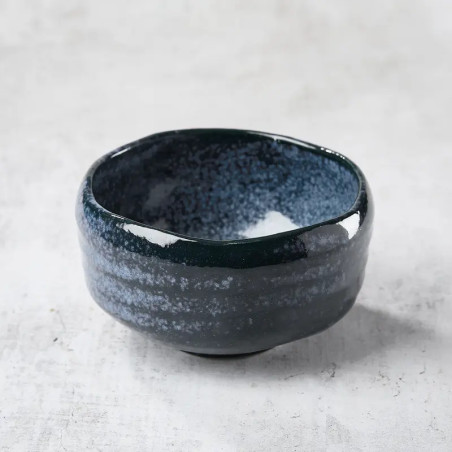
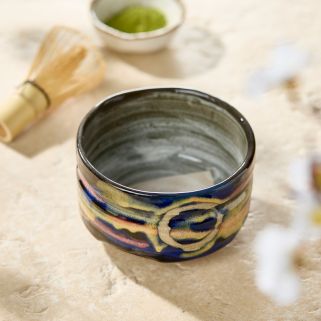
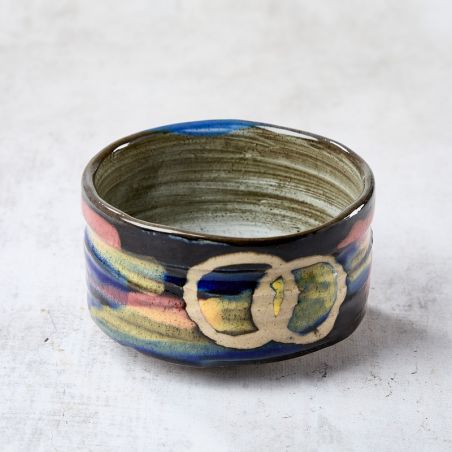
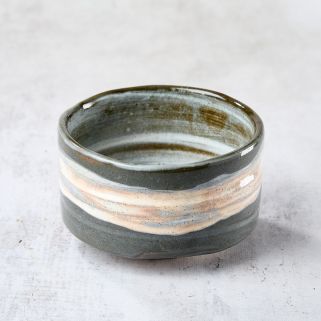
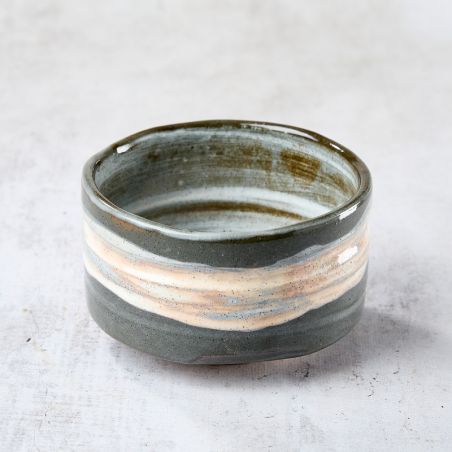
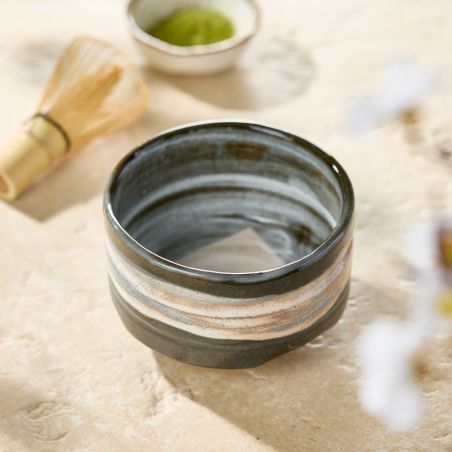
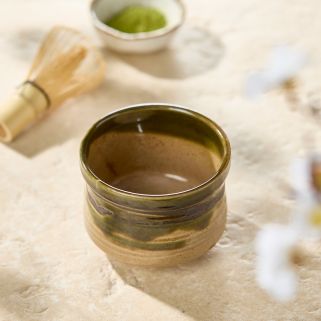
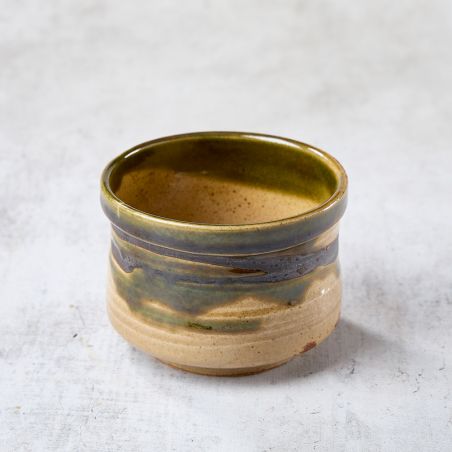
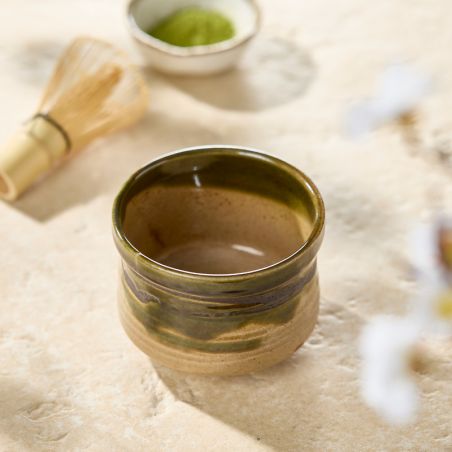
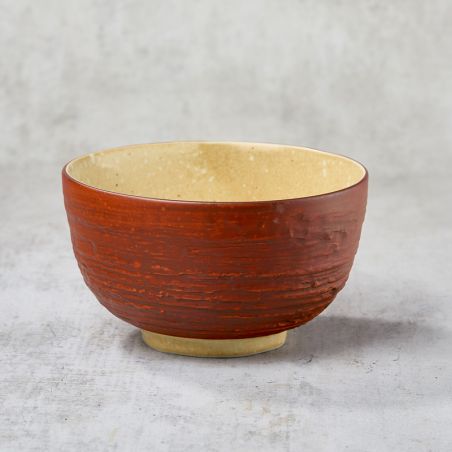
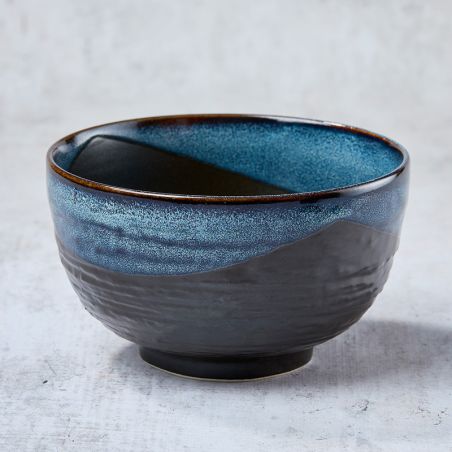
El cuenco para té matcha se llama « chawan » en Matcha tea bowl is called a « chawan » in Japanese. It is much larger than a normal bowl. It is much more comfortable to hold with two hands than with one, as the base of the Matcha Chawan is wide.
All chawan should be large enough to hold your matcha and prevent it from spilling over the sides when you whisk it vigorously.
These...
€27.00
El cuenco para té matcha se llama « chawan » en Matcha tea bowl is called a « chawan » in Japanese. It is much larger than a normal bowl. It is much more comfortable to hold with two hands than with one, as the base of the Matcha Chawan is wide.
All chawan should be large enough to hold your matcha and prevent it from spilling over the sides when you whisk it vigorously.
These...
€27.00
Matcha bowl
El cuenco para té matcha se llama « chawan » en Matcha tea bowl is called a « chawan » in Japanese. It is much larger than a normal bowl. It is much more comfortable to hold with two hands than with one, as the base of the Matcha Chawan is wide.
All chawan should be large enough to hold your matcha and prevent it from spilling over the sides when you whisk it vigorously.
These...
€35.00
Matcha bowl
El cuenco para té matcha se llama « chawan » en Matcha tea bowl is called a « chawan » in Japanese. It is much larger than a normal bowl. It is much more comfortable to hold with two hands than with one, as the base of the Matcha Chawan is wide.
All chawan should be large enough to hold your matcha and prevent it from spilling over the sides when you whisk it vigorously.
These...
€24.00
Matcha bowl
El cuenco para té matcha se llama « chawan » en Matcha tea bowl is called a « chawan » in Japanese. It is much larger than a normal bowl. It is much more comfortable to hold with two hands than with one, as the base of the Matcha Chawan is wide.
All chawan should be large enough to hold your matcha and prevent it from spilling over the sides when you whisk it vigorously.
These...
€24.00
Matcha bowl
El cuenco para té matcha se llama « chawan » en Matcha tea bowl is called a « chawan » in Japanese. It is much larger than a normal bowl. It is much more comfortable to hold with two hands than with one, as the base of the Matcha Chawan is wide.
All chawan should be large enough to hold your matcha and prevent it from spilling over the sides when you whisk it vigorously.
These...
€24.00
Matcha bowl
El cuenco para té matcha se llama « chawan » en Matcha tea bowl is called a « chawan » in Japanese. It is much larger than a normal bowl. It is much more comfortable to hold with two hands than with one, as the base of the Matcha Chawan is wide.
All chawan should be large enough to hold your matcha and prevent it from spilling over the sides when you whisk it vigorously.
These...
€24.00
Matcha bowl
El cuenco para té matcha se llama « chawan » en Matcha tea bowl is called a « chawan » in Japanese. It is much larger than a normal bowl. It is much more comfortable to hold with two hands than with one, as the base of the Matcha Chawan is wide.
All chawan should be large enough to hold your matcha and prevent it from spilling over the sides when you whisk it vigorously.
These...
€24.00
Matcha bowl
El cuenco para té matcha se llama « chawan » en Matcha tea bowl is called a « chawan » in Japanese. It is much larger than a normal bowl. It is much more comfortable to hold with two hands than with one, as the base of the Matcha Chawan is wide.
All chawan should be large enough to hold your matcha and prevent it from spilling over the sides when you whisk it vigorously.
These...
€24.00