







Ref : NISBIM1-S
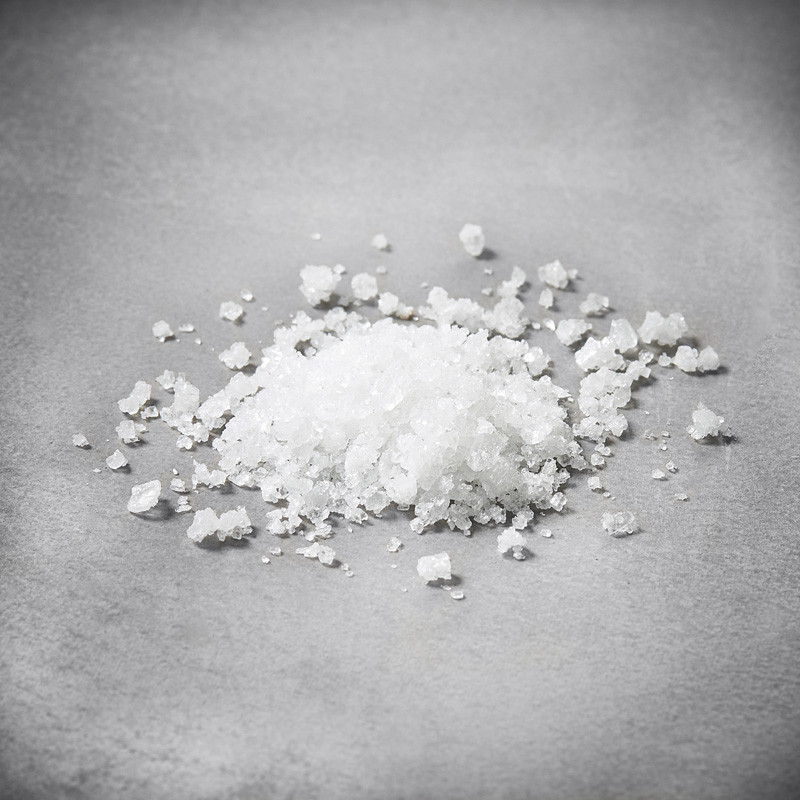
Sea salt from Wajima, called "Wajima no Kaien", is made from sea water from the small island of Hegura-jima (4 km²), located 50 km from the Noto peninsula, Ishikawa Prefecture .
The monopolization of salt production in Japan was completed in 1997. The various artisans began to produce salt according to two main methods:
a) Evaporation and condensation
b) By dissolution and condensation
In Wajima, the condensed sea water is not boiled and the salt is not dried in the sun.
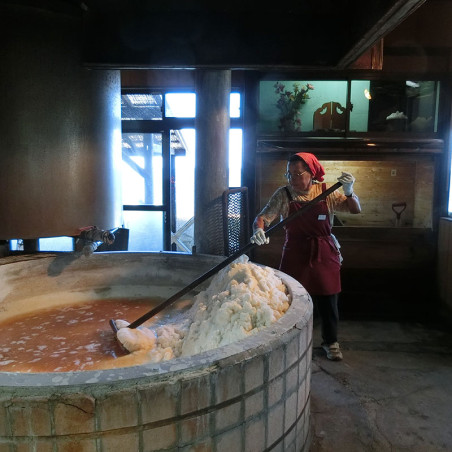
The pure seawater of Hegura Jima is evaporated by a special light system, in a room at low temperature (40 ° C), until the salt is crystallized ten days later.
The resulting crystals dissolve easily and are easily absorbed by food.
This salt is softer from a health point of view. Indeed, the ratio between sodium and magnesium is almost identical to that of human blood. This means that it does not weigh on the human body.
Sodium can make starch and carbohydrates (sugars) active and turn them into glucose. Magnesium can activate the enzymes of the ingredients and transform the proteins of meat and fish into Umami amino acids.
Since Wajima salt has a good balance of sodium and magnesium, it can promote enzymolysis of ingredients. And it also helps the growth of lactic acid and yeast and promotes fermentation.
Main minerals of salt Wajima No Kaien (per 100 g): 35 g sodium, 295 mg magnesium, 527 mg calcium, 47 mg potassium.
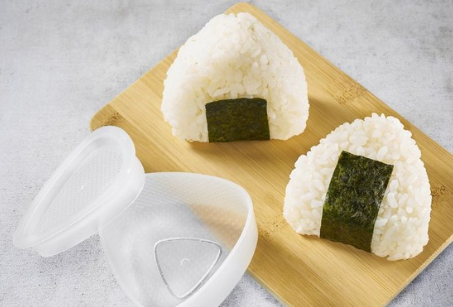
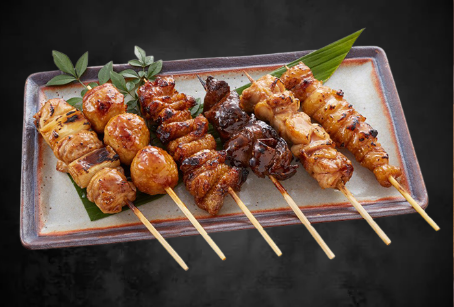
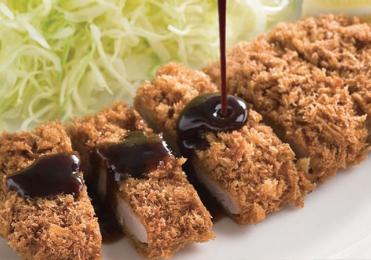
Our perfect combination : pickles, salted or fermented vegetables, onigiri, grilled fish, grilled shrimp and scampi, stew, bread, beef (hanging tender, thick flank, outside skirt). It is also ideal for making meat salted.
Data sheet
 BIMI TO KENKO
Bimi to Kenko (good taste and healthy)
There is a small island, Hegura-jima(island) in Wajima city. It is 50km far away from Noto-peninsula in Ishikawa prefecture. The perimeter of this island is just 4km. By using this sea water around this island, they make “Wajima no kaien”(Sea salt).
They take sea water 2km far from this island and move it to the factory located in Wajima city in Noto-peninsula.
The monopolization of salt in Japan was finished in 1997. Around this time, they started to make salt by many types of methods. In Noto-peninsula, there is a traditional salt field (take sea water, sprinkle it over the sand, and dry and condense it. And, sprinkle sea water and dissolve the salt and make condensed sea water). However, they developed unique method by themselves. They don’t boil sea water in a pan and they don’t expose it under the sun. They take pure water from Hegura-jima, dry it slowly with special light in low temperature room and crystalize it.
Wajima no kaien (sea salt)
When we heat up salt, a crystal is bonded together firmly. It means the salt is not dissolved easily. Wajim no kaien is not such type of salt. It is not boiled, but it is dried and crystalized with special light at around 40 degrees slowly for 10 days. So, as it is not bonded strongly, even big particle can be dissolved and adsorbed in ingredients easily.
Features
1, Gentle slat for human health
The ratio of sodium and magnesium is almost the same as the ones in human blood. So, it means that it doesn’t burden the human body.
2, Rich Umami
Sodium can make starch and carbohydrate (sugars) being active and change them into glucose. Magnesium can make enzyme of ingredients be active and change protein of meat and fish into amino aicd(Umami).
As Wajima salt has good balance of sodium and magnesium, it can promote enzymolysis of ingredients. And it also helps the grown of lactic acid and yeast and promote the fermentation.
Major minerals of Wajima sea salt(/100g)
- sodium 35g
- magnesium 295mg
- calcium 527mg
- potassium 47mg
[Recommended usage]
Pickles, Onigiri, Grilled fish, pot-au-feu and bread etc
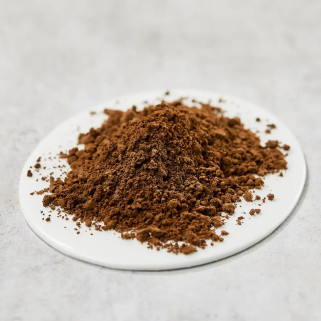
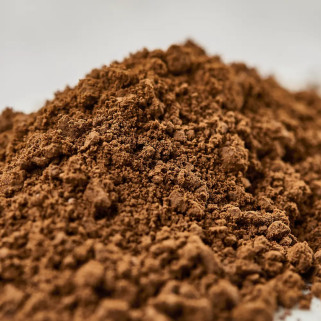
Sea salt from Wajima, called "Wajima no Kaien", is made from sea water from the small island of Hegura-jima (4 km²), located 50 km from the Noto peninsula, Ishikawa Prefecture .

ALCOHOL ABUSE IS DANGEROUS FOR YOUR HEALTH. CONSUME IN MODERATION. CONSUMING ALCOHOLIC BEVERAGES DURING PREGNANCY, EVEN IN SMALL QUANTITIES, CAN HAVE SERIOUS CONSEQUENCES FOR THE HEALTH OF THE CHILD.


FAQ