



Ref : NISKU11-B
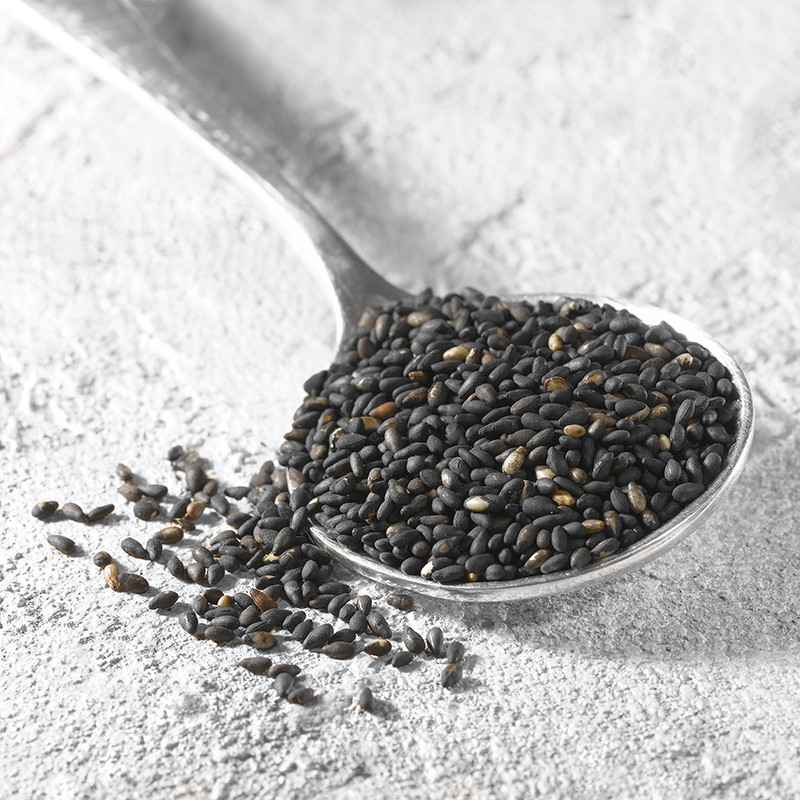
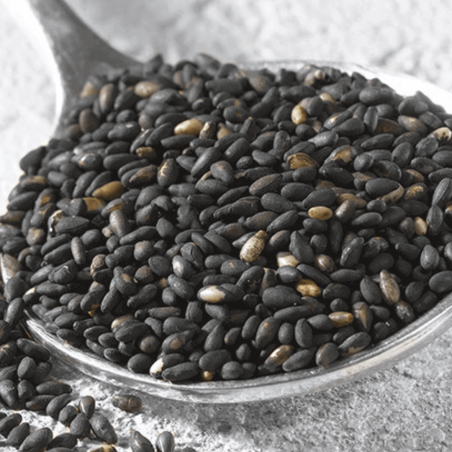
Black sesame is essential in Japanese cuisine. Sesame seeds enhance many dishes. Before being roasted, seeds are carefully selected. Naturally dried and then mechanically hulled, without addition of any chemicals. Result of a pure craft following ancestral traditions, these 100% natural seeds develop a flavor like no other.
Sesame (Sesamum indicum) is an oilseed plant cultivated for millennia for its oil-rich seeds. Native to Africa and Asia, it adapts particularly well to hot and dry climates. Its cultivation requires little water and tolerates poor soils, making it a valuable plant for arid regions.
Sesame is an annual plant that can reach up to 3 meters in height. After sowing, usually done at the beginning of the rainy season, germination takes place in a few days. The plant then develops a sturdy stem and elongated leaves. In about 6 to 8 weeks, delicate white, pink, or purple bell-shaped flowers appear. Once fertilized, they give birth to pods containing the precious seeds.
About three months after sowing, the sesame pods mature and turn a brownish color. At this stage, they begin to open naturally, releasing the seeds. This characteristic is said to have inspired the expression "Open Sesame!" from the story of One Thousand and One Nights.
Harvesting sesame requires great skill to avoid seed loss. Traditionally, the plants are cut by hand and gathered in bundles, head down, so that the seeds fall gradually. In more mechanized farming, selected varieties are less prone to spontaneous bursting, which allows for machine harvesting.
Once harvested, sesame seeds are sorted, cleaned, and dried. They can be sold raw, roasted to intensify their flavor, or transformed into sesame oil, paste (tahini or kurogoma kurimu for the black version), or flour.
Our perfect pairings: roasted sesame seeds enhance and add a fine, exquisite crunch to pastries, simple or composed salads, pasta, white rice, marinades, sauces, and vinaigrettes. Sesame also pairs perfectly with chicken, marinated beef stir-fries, and pork loin.
To elevate your preparations, sprinkle some black sesame seeds on a tomato salad, a bowl of rice, or a fish papillote. They also work wonderfully in savory puff pastries, stir-fried vegetables, fresh pasta, and vegetable tarts. Their slightly toasted flavor pairs especially well with tuna or medium-cooked salmon, as well as with crispy goat cheese croquettes.
Roasted black sesame seeds provide a crunchy texture and a delicately toasted taste to pastries, composed salads, and pasta dishes. They also elevate marinades, sauces, and vinaigrettes, giving them a subtly umami touch. In Japanese cuisine, black sesame mochis are a must-try delicacy.
Black sesame is a true asset in pastry. Its intense toasted hazelnut flavor and deep color bring both flavor and aesthetic appeal to desserts. Widely used in Japanese and Asian cuisines, it enhances creams, cakes, and pastries with a touch of originality.
Black sesame panna cotta: A creamy dessert where black sesame paste is incorporated into a base of milk and cream.
Black sesame ice cream: A Japanese specialty that showcases the intense flavor of the seed.
Black sesame-filled mochis: A glutinous rice dough filled with a creamy black sesame paste.
Black sesame babka: A marbled brioche with a rich black sesame filling.
Black sesame financiers: Small, moist cakes with an Asian twist.
Black sesame tart: A shortcrust pastry filled with black sesame cream, offering an original alternative to chocolate tart.
Black sesame praline chocolates: The combination of chocolate and black sesame offers a gourmet and subtly bitter blend.
Black sesame is an endless source of inspiration for bold and refined desserts. Its unique flavor makes it an ingredient of choice for those seeking an exotic touch in pastry.
What is the difference between black and white sesame?
Both white and black sesame come from the same plant (Sesamum indicum), but they have notable differences in taste, texture, usage, and nutritional value.
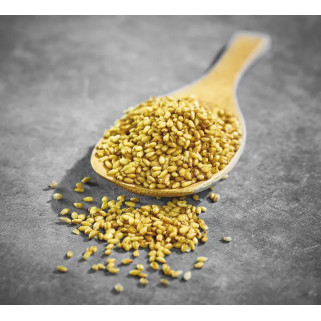
White sesame is typically hulled, giving it its light color. This process results in a softer texture and a more subtle flavor.
Black sesame retains its outer shell, which is why it has a dark color and a slightly crunchier texture.
White sesame has a mild, slightly nutty flavor, which becomes more pronounced when toasted.
Black sesame has a more intense flavor, with deeper nutty notes and a slight bitterness. When toasted, it develops a stronger aroma than its white counterpart.
Black sesame is richer in antioxidants, calcium, and iron compared to white sesame, particularly because its outer shell contains a significant amount of nutrients.
White sesame, though still nutritious, contains fewer fibers and minerals due to the hulling process.
White sesame is often used in bread, pastries, sauces (such as tahini), and stews. Its mild flavor makes it versatile in cooking.
Black sesame is especially popular in Asian and Japanese cuisine, both in savory dishes (rice, fish, soups, sauces) and desserts (ice creams, mochis, creams, babkas). Its color also adds an aesthetic touch to dishes.
White sesame is the base for tahini, a creamy paste widely used in Middle Eastern and Mediterranean cuisine. Black sesame is processed into black sesame paste (kurogoma kurimu), which is highly valued in Japanese pastry for its intense flavor and deep color. In summary, white sesame is milder and more versatile, while black sesame is more intense, nutrient-dense, and prized for its unique aromatic character. The choice between the two will depend on the effect desired in cooking!
Sesame comes in several varieties, including:
White sesame, the most common, with a mild, slightly nutty taste.
Black sesame, more aromatic and rich in antioxidants.
Golden sesame, known for its even more intense flavor and crunchiness.
Thanks to its robust cultivation and nutritional richness, sesame remains a valuable resource in many culinary and medicinal traditions around the world.
Our black sesame seeds have a roasted hazelnut aroma, which becomes even more pronounced after toasting. They reveal rich flavors, making them perfect for both sweet and savory dishes.
Data sheet
 KUKI SANGYO
The traditional craftsman production process respects simple principles: offer sure, good and safe products.
The Kuki Sangyo sesame oil production process has not changed since its creation in 1886. The sesame seeds are very carefully selected, then thoroughly cleaned, roasted, steam heated to facilitate oil separation, and finally pressed to extract the precious nectar !
After 2 weeks settling and decanting, the oil is filtered many times through Japanese paper or fabric for 6 weeks until perfect and then packaged. Kuki Sangyo uses this authentic pressing method without ever using any chemical products. The sesame seeds used come from the best sources and undergo a series of draconian tests before being accepted for production.
The consistency of taste, colour and quality comes from mastering the mixing of the sesame, temperature control and roasting time. The rest is a result of the Kuki Sangyo master craftsmen's know-how allowing the oils and other Kuki Sangyo products to express themselves to the fullest. It is interesting to note that all of the Kuki Sangyo production residue, lees, sesame bran, sediment…are used as fertilizer on the Kuki Sangyo farms to grow sesame or different vegetables.
 Carole M.

Excellent (Translated review)
Pauline C.
Ras (Translated review)
Marie-Helene F.
I haven't used it yet... (Translated review)
Black sesame is essential in Japanese cuisine. Sesame seeds enhance many dishes. Before being roasted, seeds are carefully selected. Naturally dried and then mechanically hulled, without addition of any chemicals. Result of a pure craft following ancestral traditions, these 100% natural seeds develop a flavor like no other.

ALCOHOL ABUSE IS DANGEROUS FOR YOUR HEALTH. CONSUME IN MODERATION. CONSUMING ALCOHOLIC BEVERAGES DURING PREGNANCY, EVEN IN SMALL QUANTITIES, CAN HAVE SERIOUS CONSEQUENCES FOR THE HEALTH OF THE CHILD.


FAQ