





Ref : NISIZK9
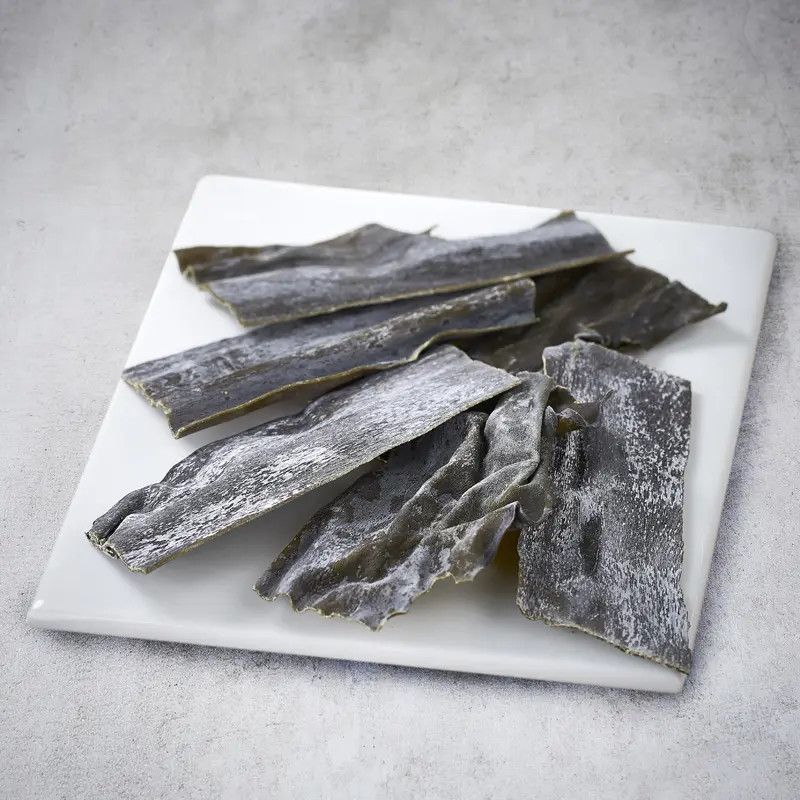
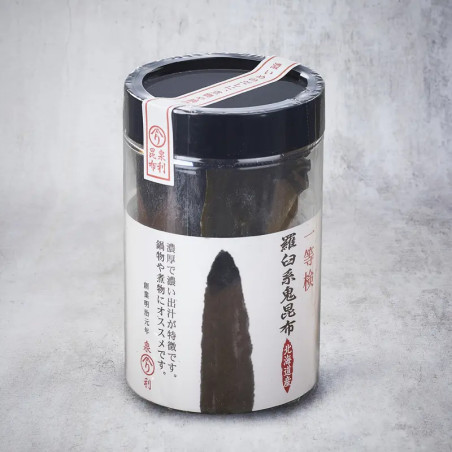
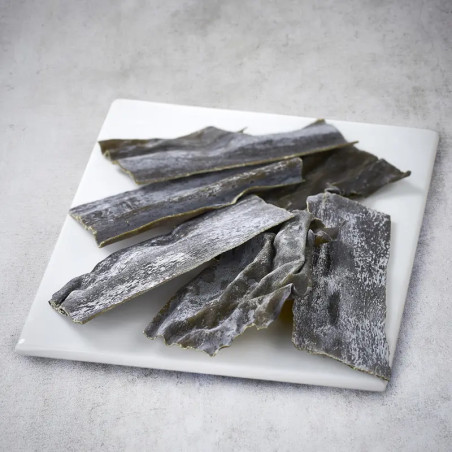
Rausu Kombu is fragrant and sweet, producing a rich broth, with the typical color of the seaweed.
The leaves of the rausu-kombu are 20 to 30 cm wide and 1.50 to 3.00 meters long or longer.
This kombu is categorized by colors, from kurokuchi (black) to akakuchi (dark red).
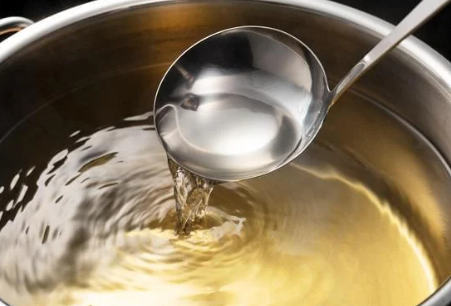
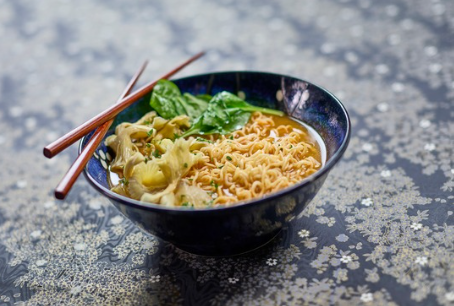
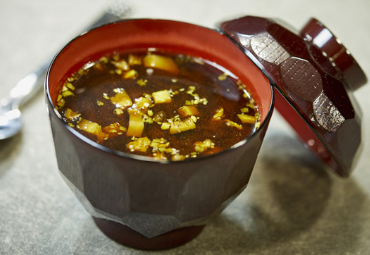
Our perfect combination : It is mainly used to make dashi broth. It is also transformed into kombu tea or "kobu-cha" and marinated kombu (vinegar) or "su-kombu".
Data sheet
 IZURI KOMBU
Historically, the town of Sakai had a large number of craftsmen specialising in the production of scraped kombu or Oborokombu.
The reason is simple : its port is one of the major places for trade in this seaweed.
What is more, the proximity of master craftmen knifemaker ensured the constant supply of quality knives, essential to make Oboro kombu.
In 1945, after the Second World War, Izuri moved to Shimanto (Kôchi prefecture) to open a training centre for Oboro master craftsmen. Kombu seaweed is eaten a great deal in Kôchi prefecture ( the makis made from Oborokombu seaweed are a Kôchi specialty ). Oborokombu seaweed production is traditionally a family affair.
All the members of the family have their role to play.
One problem, the passing down of know-how was restricted. Izuri Kombu Kaisan is unique in Japan. It is the only company to employ Oborokombu seaweed master craftsmen, ensuring stable quality. What is more, it also ensures the replacement of existing master craftsmen by training their successors. It is important to remember that Izuri "oborokombu" scraped kombu is totally hand produced in Japan.
Where does the "Oborokombu" name come from ? ‘Oboro’ describes something "nebulous". This seawed is scraped so thinly that it is almost possible to see through it.
Oborokombu seaweed is naturally rich and full of umami. It melts in the mouth and has a delicate taste of the sea.
Rausu Kombu is fragrant and sweet, producing a rich broth, with the typical color of the seaweed.

ALCOHOL ABUSE IS DANGEROUS FOR YOUR HEALTH. CONSUME IN MODERATION. CONSUMING ALCOHOLIC BEVERAGES DURING PREGNANCY, EVEN IN SMALL QUANTITIES, CAN HAVE SERIOUS CONSEQUENCES FOR THE HEALTH OF THE CHILD.


FAQ