






Ref : NISKAM
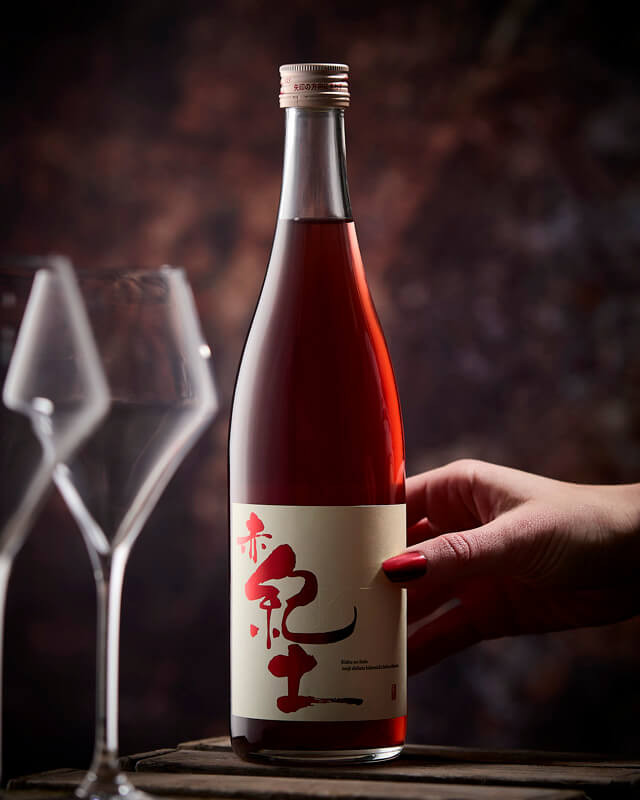
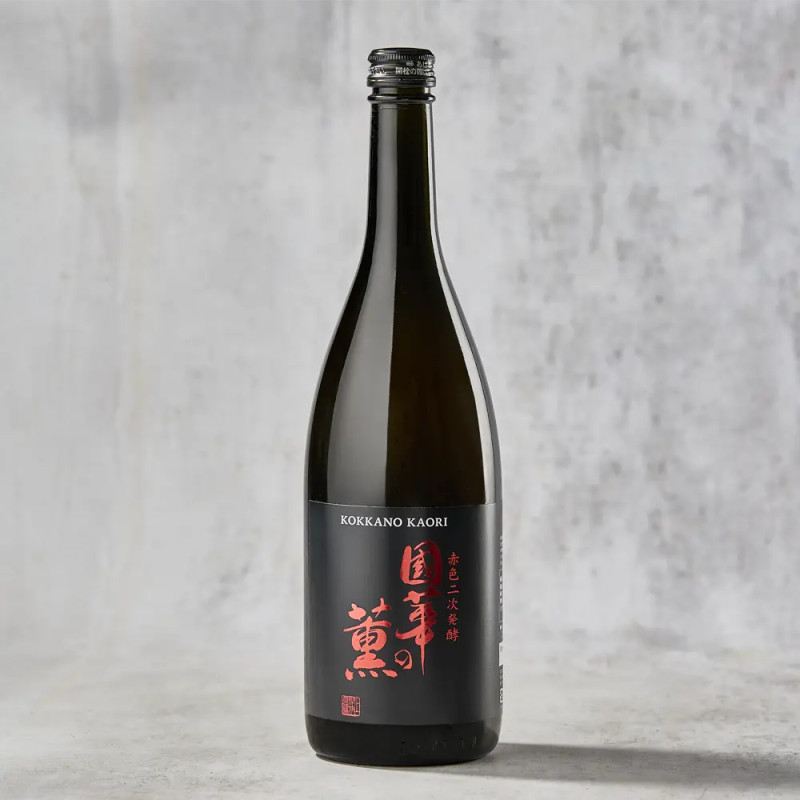
This sparkling saké is a real favorite.
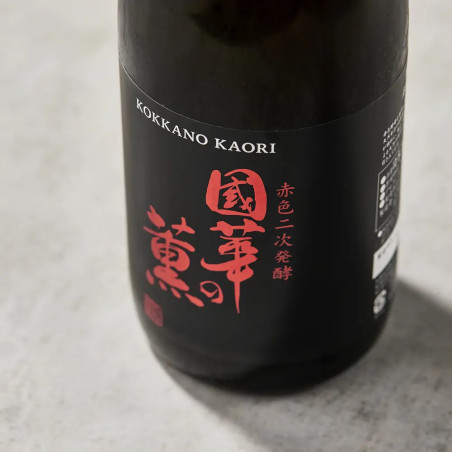
The name "Kokkano Koari" means "the perfume of national flowers" in Japanese, referring to the use of locally grown rice in the Iwate prefecture. This sparkling saké challenges by its pink dress, from the special red yeast to Sake used. Sparkling is the result of a bottle secondary fermentation because its production method is inspired by that of Champagne.
Availability is limited. It is a faint natural bubbles, elegant, refined, with fruity and floral, acidulous impression, evoking the acerola cherry and its taste complexity, to the notes of citrus, cherry, raspberry, wild berries.
We recommend his service in a champagne glass, served between + 4 ° C and + 7 ° C, at the aperitif, or in accompaniment to oysters, a carpaccio of salmon, a lobster salad, a Tartar of Saint-Jacques, Chocolate desserts
Data sheet
Lle Toji (master brewer) Katsuyoshi Sasaki declares to use a very low mineral water for the manufacture of saké. This very soft water slows down the fermentation process, which gives a softer and more refined saké, but also makes the manufacturing process more laborious.
The Kamihei Shuzo house meets a resounding success with its sparkling saké from a second bottle fermentation. To get the pretty dew color, the Toji uses red yeast. The brewing water comes from Mount Rokkushisan, the second highest mountain of Iwate Prefecture. The groundwater flowing from the mountains are abundant. As they use clean underground water for brewing, their products are known for their purity and clarity.
Kamihei Shuzo is distinguished by integrated production, rice grown on site to the manufacture of saké. They started producing rice in Saké in 2020. Their objective is to control the entire sector, the production of rice to the manufacture of saké, as a wine estate, following the principle "brewing the saké with a focus on the Rice". They grow varieties of rice such as "Yuinoka", "Miyamanishiki", "Ginginga", "Hitomebore" and "Kamenoo".
Yuinoka: Yuinoka rice was developed by Iwate Prefecture for more than 10 years. As it has few unwanted aromas such as proteins, it makes it possible to develop a beautiful saké. Miyamanishiki: Miyamanishiki is suitable for cold regions. The saké elaborated from this rice has a refreshing and lively taste. Ginginga: local rice adapted to the manufacture of the saké.
Ginginga has excellent resistance to cold and a big grain. It is suitable for making saké. Its taste is clear and refreshing. Hitomebore: Hitomebore is often consumed as meals in Japan. It is a popular rice produced in the Tohoku area. You can taste his sweet flavor that is clean. Kamenoo: Kamenoo was popular in many regions in the past, but the number of producers decreased because of the difficulty of its culture. Recently, it has been used as a fantastic rice for the saké.
This sparkling saké is a real favorite.
The name "Kokkano Koari" means "the perfume of national flowers" in Japanese, referring to the use of locally grown rice in the Iwate prefecture. This sparkling saké challenges by its pink dress, from the special red yeast to Sake used. Sparkling is the result of a bottle secondary fermentation because its production method is inspired by that of Champagne.
Availability is limited. It is a faint natural bubbles, elegant, refined, with fruity and floral, acidulous impression, evoking the acerola cherry and its taste complexity, to the notes of citrus, cherry, raspberry, wild berries.
We recommend his service in a champagne glass, served between + 4 ° C and + 7 ° C, at the aperitif, or in accompaniment to oysters, a carpaccio of salmon, a lobster salad, a Tartar of Saint-Jacques, Chocolate desserts

ALCOHOL ABUSE IS DANGEROUS FOR YOUR HEALTH. CONSUME IN MODERATION. CONSUMING ALCOHOLIC BEVERAGES DURING PREGNANCY, EVEN IN SMALL QUANTITIES, CAN HAVE SERIOUS CONSEQUENCES FOR THE HEALTH OF THE CHILD.


FAQ