

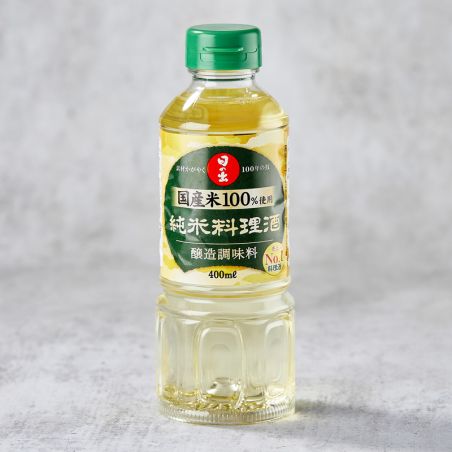

Ref : NISKING6
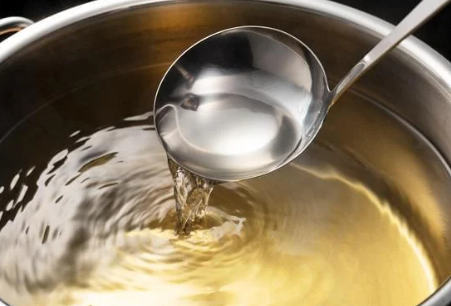
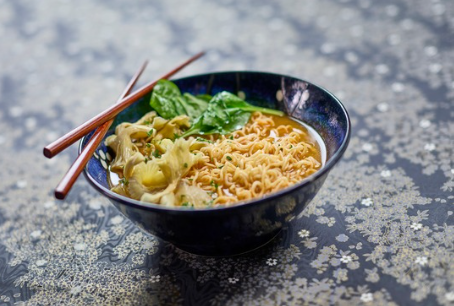
Sake for cooking, which adds flavor to sauces, marinades, soups, steams (seafood) and stir-fries, is very important in Japanese cuisine. In Japan, it is indispensable for eliminating odors, adding flavor and umami to dishes, and making them both flavorful and smooth.
Unlike drinking sake, it has a lower alcohol content, a more concentrated flavor and often contains salt.
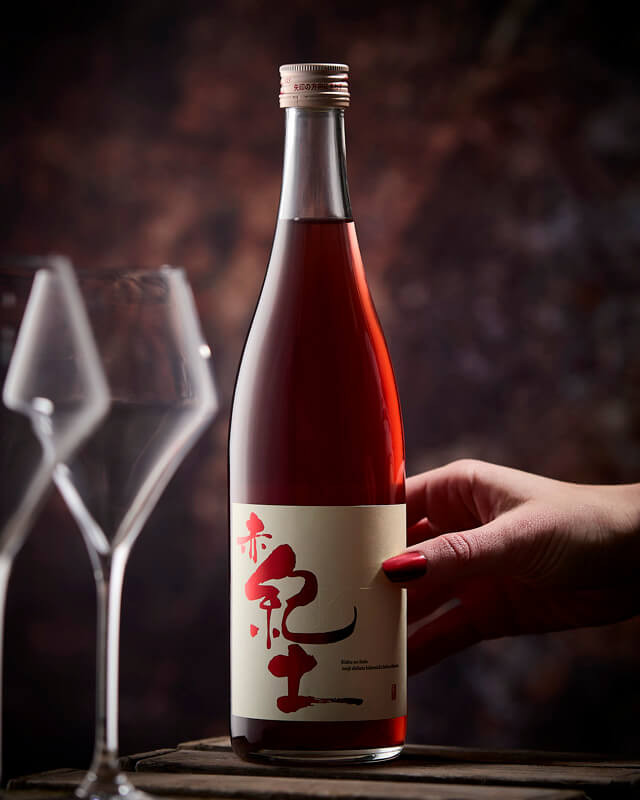
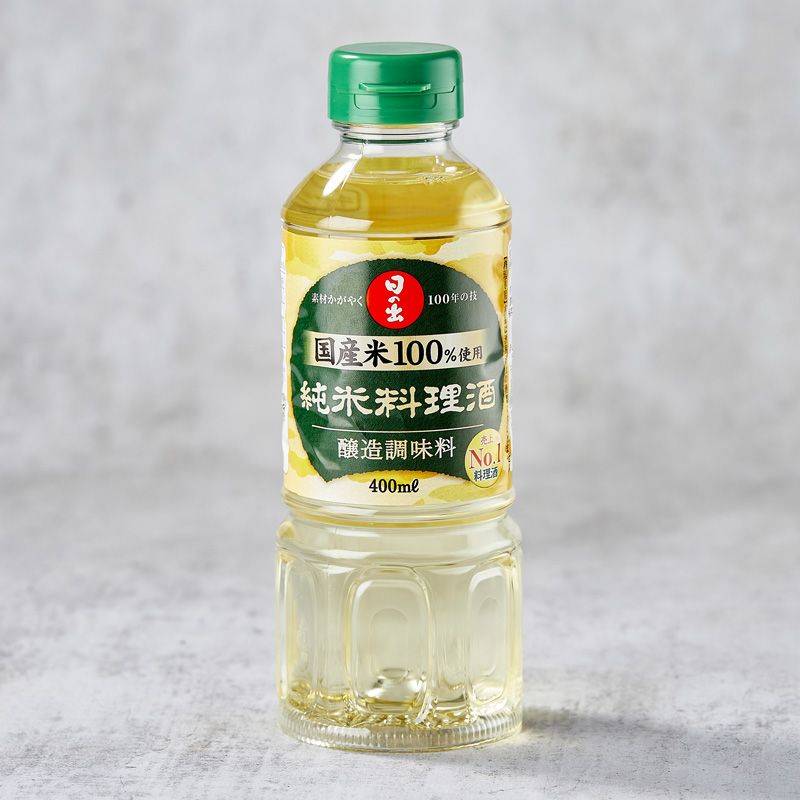
King Jyozo cooking sake has been made using ancestral methods for a century. It is renowned for its complexity and natural sweetness.
This sake is highly appreciated for its umami and its ability to reveal the hidden flavors of food. It is generally used to complement soy sauce and mirin. Perfect ratio is one part sake, 2 parts soy sauce and 3 parts mirin. Junmai Ryorishu is made only from rice with salt and koji-riz to produce flavor and richness. Cooking with this sake can be a pleasure and an enrichment for fine dishes and refined meals.
Because of its alcohol content, it eliminates unpleasant odors from fish and meat and makes dishes more attractive. What's more, Junmai Ryorishu's alcohol content enables it to penetrate the surface of ingredients more easily and tenderize flesh.
Data sheet
 Aurelien A.

I haven't tasted it yet (Translated review)
Sake for cooking, which adds flavor to sauces, marinades, soups, steams (seafood) and stir-fries, is very important in Japanese cuisine. In Japan, it is indispensable for eliminating odors, adding flavor and umami to dishes, and making them both flavorful and smooth.
Unlike drinking sake, it has a lower alcohol content, a more concentrated flavor and often contains salt.

ALCOHOL ABUSE IS DANGEROUS FOR YOUR HEALTH. CONSUME IN MODERATION. CONSUMING ALCOHOLIC BEVERAGES DURING PREGNANCY, EVEN IN SMALL QUANTITIES, CAN HAVE SERIOUS CONSEQUENCES FOR THE HEALTH OF THE CHILD.


FAQ