

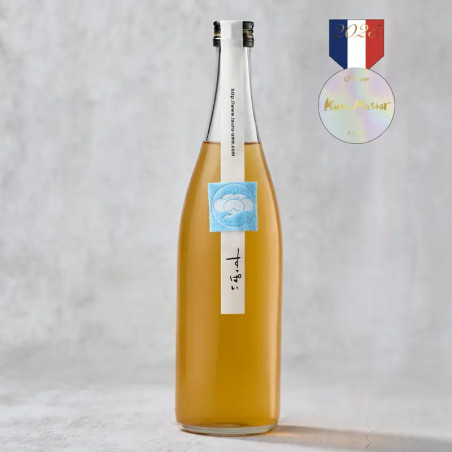

Ref : NISSH5
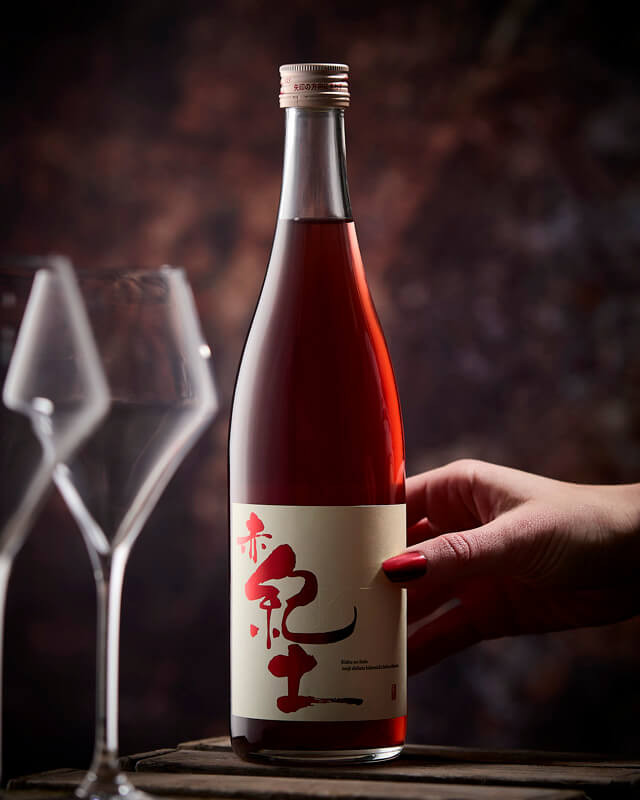
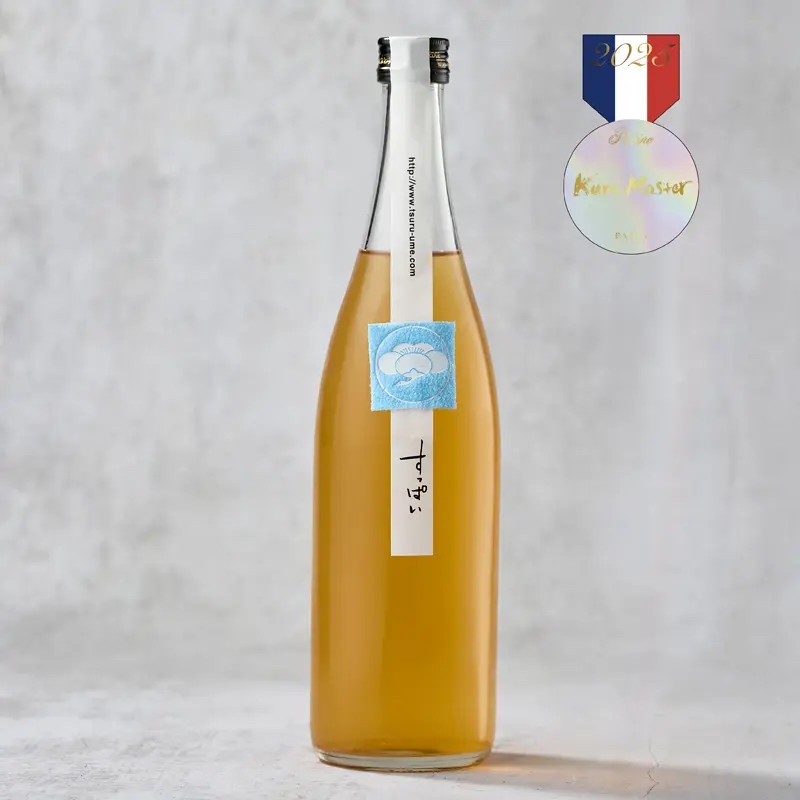
This umeshu is made from the finest ripe Wakayama “nanko” ume plums. Plums used to make this umeshu, of the “nanko ume” variety, are picked when fully ripe.
Quantity of plums used for this “umeshu” is three times greater than that used for a classic umeshu. Plum fragrance is therefore dominant, giving it great balance.
This umeshu acidity is twice as high as that of traditional umeshu or plum liqueurs, which is why it is called “suppaï” (“acid” in Japanese). This unfiltered umeshu is best enjoyed chilled, as an aperitif or after a meal.
Data sheet
 Jonathan H.

one of the best umeshu I've ever tasted (Translated review)
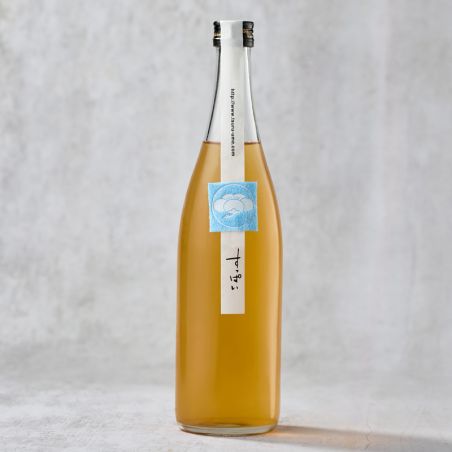
This umeshu is made from the finest ripe Wakayama “nanko” ume plums. Plums used to make this umeshu, of the “nanko ume” variety, are picked when fully ripe.
Quantity of plums used for this “umeshu” is three times greater than that used for a classic umeshu. Plum fragrance is therefore dominant, giving it great balance.
This umeshu acidity is twice as high as that of traditional umeshu or plum liqueurs, which is why it is called “suppaï” (“acid” in Japanese). This unfiltered umeshu is best enjoyed chilled, as an aperitif or after a meal.

ALCOHOL ABUSE IS DANGEROUS FOR YOUR HEALTH. CONSUME IN MODERATION. CONSUMING ALCOHOLIC BEVERAGES DURING PREGNANCY, EVEN IN SMALL QUANTITIES, CAN HAVE SERIOUS CONSEQUENCES FOR THE HEALTH OF THE CHILD.


FAQ