






Ref : NISSANK1
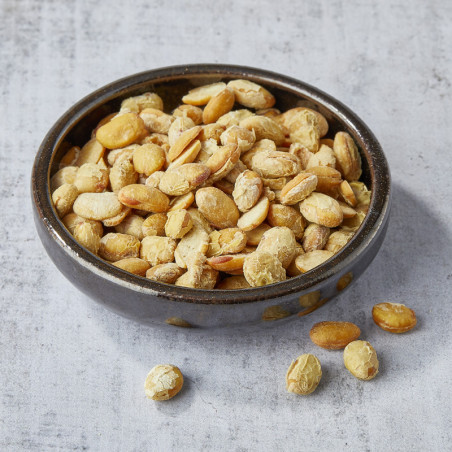
Natto is undoubtedly one of the most difficult Japanese delicacies for Westerners to adopt. It consists of small steamed soy beans, inoculated with the bacillus subtilis natto bacterium for fermentation.
This very Nipponese delicacy puts off novices because the beans are so sticky that they form filaments when handled. Gustatively, flavors are strangely reminiscent of a well-made Camembert. Natto is highly nutritious, extremely rich in vitamin K2 (beneficial action on vascular calcification and osteoporosis) and amino acids, and has beneficial effects on intestinal flora.
Natto is a staple of traditional Japanese breakfasts. Everyone uses it in their own way. We recommend seasoning with lightly sweetened soy sauce, karachi mustard or strong French mustard, an egg yolk and nori crumbs.
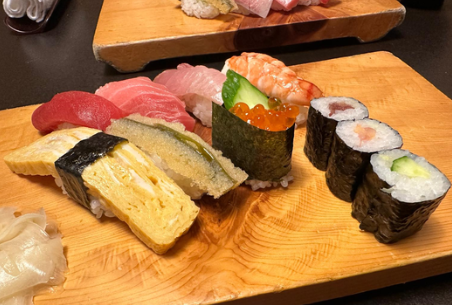
Mix together and enjoy. 50g of rehydrated natto is enough for one person. We also recommend it for making "gunkan maki": rice is surrounded by a strip of nori, the edges of which protrude 1.5 cm in height.
Add natto, a quail egg yolk, a dash of karachi mustard, a hint of grated ginger if you like, a little snipped spring onion or chives and you're ready to go. For tasting, a special sashimi soy sauce is just the thing to season the bite.
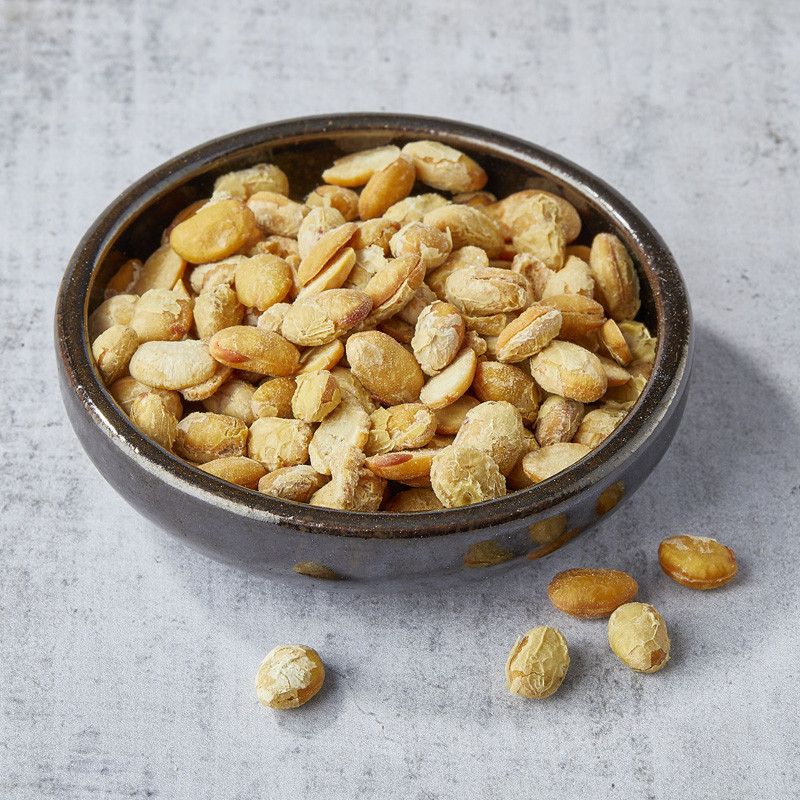
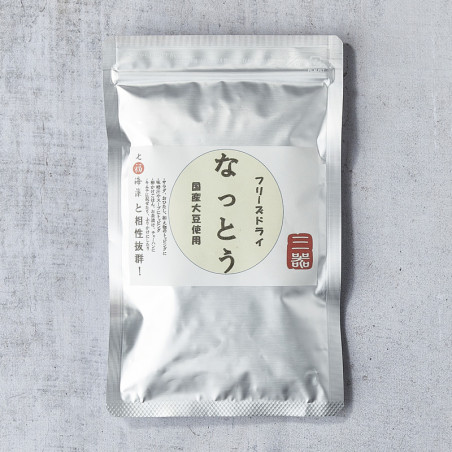
Natto proposed here is unique in that it is freeze-dried. There's no need to worry about storage. Simply rehydrate the desired quantity. For 2 people, take 20g of freeze-dried natto and lay the beans flat in a small soup plate. Add 2.5 tablespoons of water and leave to rehydrate for 3 to 4 hours. Mix well before serving, and season with a little salt or soy sauce. Consume immediately.
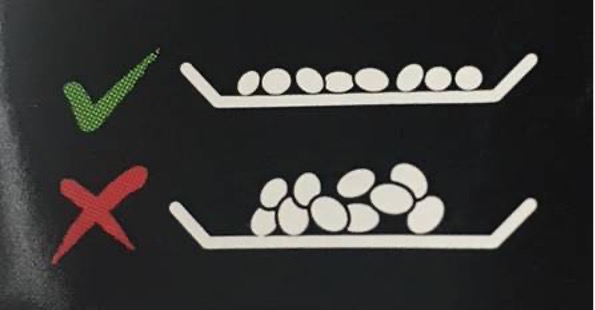
rehydrate, flat, in a soup plate 20g of natto in 2.5 tablespoons of water for 3 to 4 hours. When ready to eat, season with a little sweet soy sauce and a little mustard, and, if desired, an egg yolk.
Data sheet
 Mathilde T.

good taste quality (Translated review)
François D.
Very good product (Translated review)
Natto is undoubtedly one of the most difficult Japanese delicacies for Westerners to adopt. It consists of small steamed soy beans, inoculated with the bacillus subtilis natto bacterium for fermentation.
This very Nipponese delicacy puts off novices because the beans are so sticky that they form filaments when handled. Gustatively, flavors are strangely reminiscent of a well-made Camembert. Natto is highly nutritious, extremely rich in vitamin K2 (beneficial action on vascular calcification and osteoporosis) and amino acids, and has beneficial effects on intestinal flora.
Natto is a staple of traditional Japanese breakfasts. Everyone uses it in their own way. We recommend seasoning with lightly sweetened soy sauce, karachi mustard or strong French mustard, an egg yolk and nori crumbs.

ALCOHOL ABUSE IS DANGEROUS FOR YOUR HEALTH. CONSUME IN MODERATION. CONSUMING ALCOHOLIC BEVERAGES DURING PREGNANCY, EVEN IN SMALL QUANTITIES, CAN HAVE SERIOUS CONSEQUENCES FOR THE HEALTH OF THE CHILD.


FAQ