





Ref : NISKOYA4
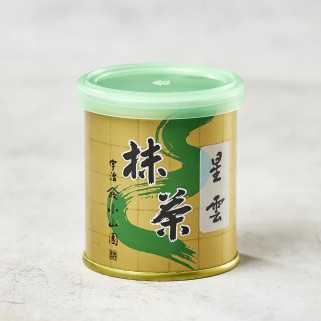
In Yamamasa Koyamaen, craftsmen respect the strictest standards in the selection of gross tea leaves (Tencha), thoroughly evaluating the color of the leaves, the hue of infusion, taste, color and aroma of used leaves, and, once ground In matcha, the final color, the aroma, the taste and the finesse of the powder.
Their Tencha comes from their own tea fields as well as trust producers with whom they maintain long-standing relationships. These tea leaves are grown according to strict methods of cultivation and fertilization.
Using traditional ancestral techniques, they skilfully mix and refine each lot to highlight the unique characteristics (color, perfume and flavor) of each variety of tea.
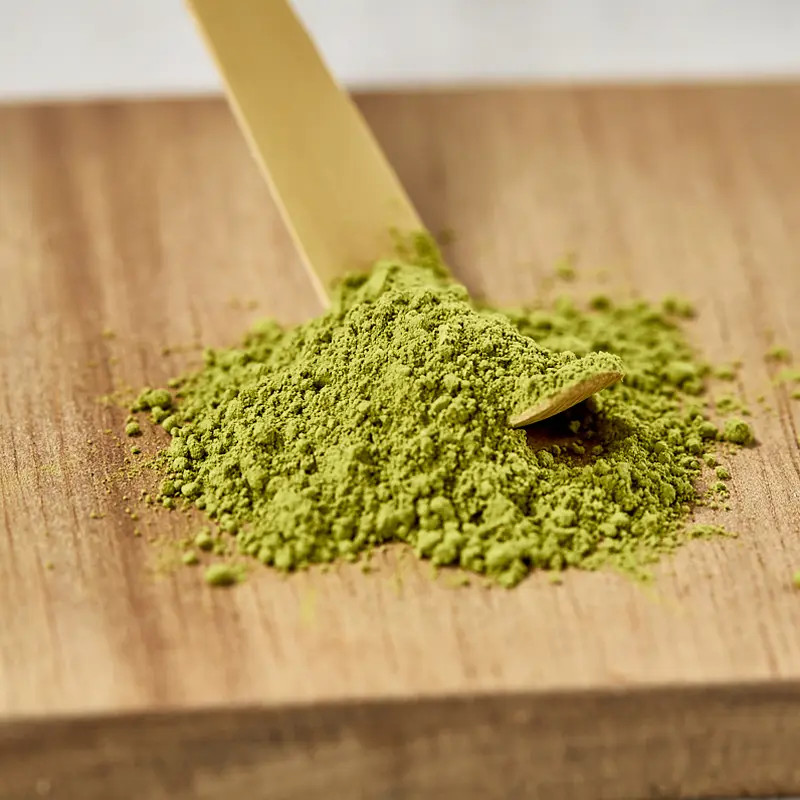
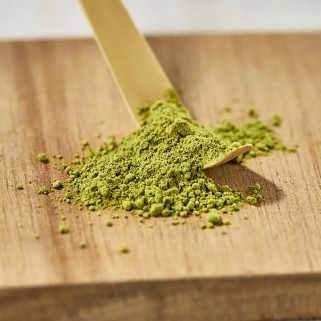
The matcha is carefully ground with the stone on demand, using traditional mills, then conditioned in boxes or pouches under strict control of temperature and humidity in order to preserve all its freshness.
They do not use any additive, whether synthetic, natural or even labeling. No secondary stabilizer or ingredient is added, which allows the pure and natural character of tea to express oneself fully. Each tea producer has a distinctive aromatic profile.
In Yamamasa KoyamaenThe characteristic taste can be described as a harmonious balance between the fresh aroma of the young buds and the toasted perfume conferred by drying at high temperature during the initial treatment.
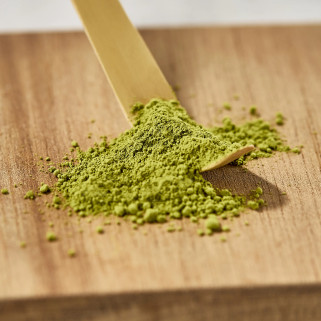
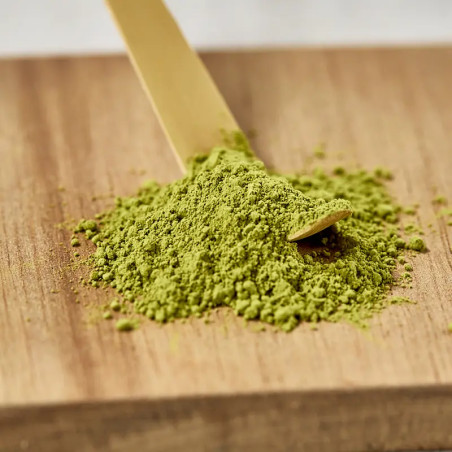
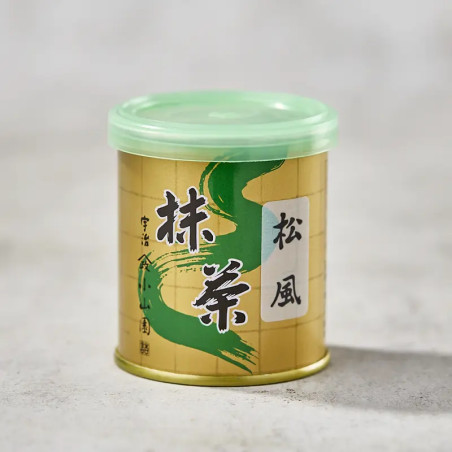
Mastukaze Matcha tea is a daily accessible matchaDesigned to be easy to drink, with bitterness and balanced astringency, allowing you to fully appreciate its authentic flavor. It is perfectly adapted to the practice of tea ceremony or daily tasting at home.
Although it offers a more robust and powerful character than the Ogurayama, its strength is expressed fully when used in culinary creations, enhancing your desserts and drinks with a superior and authentic matcha essence.
It can sometimes be used when a very high quality Nibancha tea is available (a scarcity observed only a few times over the last decade).
Grinding with stone grinding wheel
Origin of tea: Kyoto
Cultivar: Samidori, Asahi, Gokou Okumidori, Yabukita, native varieties, etc. (As you have noticed, these have no specific name)
Type: ichibancha
Quantity for a cup: 1.5g for 7 cl of water Water temperature: 80 ° C
This matcha tea, with bold and full-bodied taste, combining Umami and a pleasant bitterness, gets pure or matcha latte and is suitable for making desserts.
Preparation:
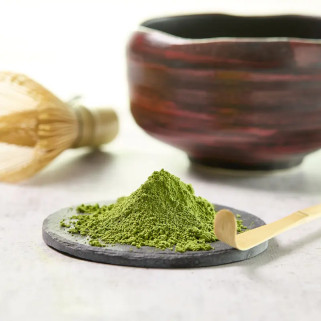
1. Reheat a bowl. Reheat and softe a bamboo whip. Sieve 1.5 g of matcha and pour it into the bowl. It is better to use a colander.
2. Slowly pour hot water to about 80 ° C into the warmed bowl.
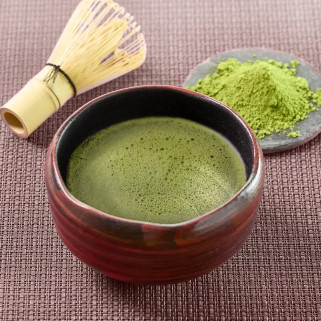
3. Stir quickly by drawing an "M" for 15 seconds. When a light and creamy foam is formed, slowly lift the bowl whip to remove it.
Recipes:
Smoothie with Matcha
Put in a 2 g mixer of matcha powder, 10 cl of milk, a banana and 50 g of nature yoghurt. Add a frozen banana according to your taste.
Soda with matcha
Mix 2 g of matcha powder with a little lukewarm water. Add 20 cl of gas (or soda according to your taste). Add lemon to get a refreshing taste.
Matcha latte
Mix 2 g of matcha powder with a little hot milk, then pour 15 cl of milk and mix well. Then add sparkling milk and sprinkle with matcha powder.
Hot chocolate with matcha
Mix 2 g of matcha powder with a little hot milk. Add 25 g molten white chocolate and 10 cl of hot milk. Garnish with whipped cream and tapered almonds grilled.
Matcha affigureo
Dissolve 3 g of matcha powder in 3 cl of hot water, then pour on vanilla ice.
Matcha beer
Mix 2 g of matcha powder with a little lukewarm water, then add 20 cl of very cool beer.
How to keep matcha for fresh and delicious? Matcha is a very delicate product, whose quality can easily change depending on how it is retained and manipulated. It is particularly sensitive to heat, moisture, light and odors. Exposure to heat and moisture can alter the tea. Its bright green color can also turn reddish or fade when exposed to sunlight or interior lighting. In addition, Matcha easily absorbs the surrounding odors, so it is necessary to avoid placing it near strong odors. Before opening, the best conservation environment is a cool, dark and dry place. Low temperatures help preserve the quality of Matcha. Before opening, it is better to keep the non-opened matcha in its sealed package and store it in the refrigerator or freezer. Important: Always leave the matcha back to room temperature before opening it. If you open it while it is still cold, condensation (water droplets) can form inside the container. Once the matcha has absorbed moisture, its quality deteriorates quickly. Once open, try using the matcha within 1 to 2 weeks. In this case, keep it in a cool, dark and dry place, not in the refrigerator. If you take it out and put it back several times to the refrigerator and the container is not perfectly hermetic, it may absorb moisture because of temperature changes. To avoid this, protect it with sudden changes in temperature or humidity and use it as quickly as possible. If you need to keep the matcha for a longer period, make sure the container is hermetically closed and place it in the refrigerator or freezer. If possible, use a vacuum package or oxygen absorber bags, and keep it away from light and heavy odors. If there are lumps, please break the product with a colander.
Data sheet
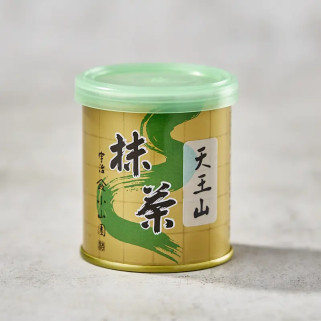
In Yamamasa Koyamaen, craftsmen respect the strictest standards in the selection of gross tea leaves (Tencha), thoroughly evaluating the color of the leaves, the hue of infusion, taste, color and aroma of used leaves, and, once ground In matcha, the final color, the aroma, the taste and the finesse of the powder.
Their Tencha comes from their own tea fields as well as trust producers with whom they maintain long-standing relationships. These tea leaves are grown according to strict methods of cultivation and fertilization.
Using traditional ancestral techniques, they skilfully mix and refine each lot to highlight the unique characteristics (color, perfume and flavor) of each variety of tea.
The matcha is carefully ground with the stone on demand, using traditional mills, then conditioned in boxes or pouches under strict control of temperature and humidity in order to preserve all its freshness.
They do not use any additive, whether synthetic, natural or even labeling. No secondary stabilizer or ingredient is added, which allows the pure and natural character of tea to express oneself fully. Each tea producer has a distinctive aromatic profile.
In Yamamasa KoyamaenThe characteristic taste can be described as a harmonious balance between the fresh aroma of the young buds and the toasted perfume conferred by drying at high temperature during the initial treatment.
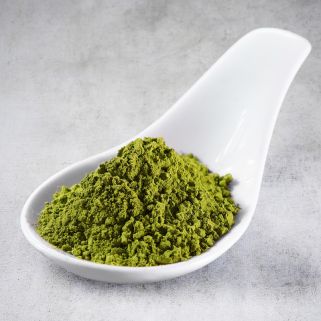
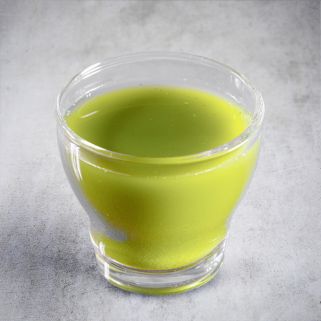
Mastukaze Matcha tea is a daily accessible matchaDesigned to be easy to drink, with bitterness and balanced astringency, allowing you to fully appreciate its authentic flavor. It is perfectly adapted to the practice of tea ceremony or daily tasting at home.
Although it offers a more robust and powerful character than the Ogurayama, its strength is expressed fully when used in culinary creations, enhancing your desserts and drinks with a superior and authentic matcha essence.
It can sometimes be used when a very high quality Nibancha tea is available (a scarcity observed only a few times over the last decade).
Grinding with stone grinding wheel
Origin of tea: Kyoto
Cultivar: Samidori, Asahi, Gokou Okumidori, Yabukita, native varieties, etc. (As you have noticed, these have no specific name)
Type: ichibancha
Quantity for a cup: 1.5g for 7 cl of water Water temperature: 80 ° C
This matcha tea, with bold and full-bodied taste, combining Umami and a pleasant bitterness, gets pure or matcha latte and is suitable for making desserts.
Preparation:
1. Reheat a bowl. Reheat and softe a bamboo whip. Sieve 1.5 g of matcha and pour it into the bowl. It is better to use a colander.
2. Slowly pour hot water to about 80 ° C into the warmed bowl.
3. Stir quickly by drawing an "M" for 15 seconds. When a light and creamy foam is formed, slowly lift the bowl whip to remove it.
Recipes:
Smoothie with Matcha
Put in a 2 g mixer of matcha powder, 10 cl of milk, a banana and 50 g of nature yoghurt. Add a frozen banana according to your taste.
Soda with matcha
Mix 2 g of matcha powder with a little lukewarm water. Add 20 cl of gas (or soda according to your taste). Add lemon to get a refreshing taste.
Matcha latte
Mix 2 g of matcha powder with a little hot milk, then pour 15 cl of milk and mix well. Then add sparkling milk and sprinkle with matcha powder.
Hot chocolate with matcha
Mix 2 g of matcha powder with a little hot milk. Add 25 g molten white chocolate and 10 cl of hot milk. Garnish with whipped cream and tapered almonds grilled.
Matcha affigureo
Dissolve 3 g of matcha powder in 3 cl of hot water, then pour on vanilla ice.
Matcha beer
Mix 2 g of matcha powder with a little lukewarm water, then add 20 cl of very cool beer.

ALCOHOL ABUSE IS DANGEROUS FOR YOUR HEALTH. CONSUME IN MODERATION. CONSUMING ALCOHOLIC BEVERAGES DURING PREGNANCY, EVEN IN SMALL QUANTITIES, CAN HAVE SERIOUS CONSEQUENCES FOR THE HEALTH OF THE CHILD.


FAQ