







Ref : NISKUM1
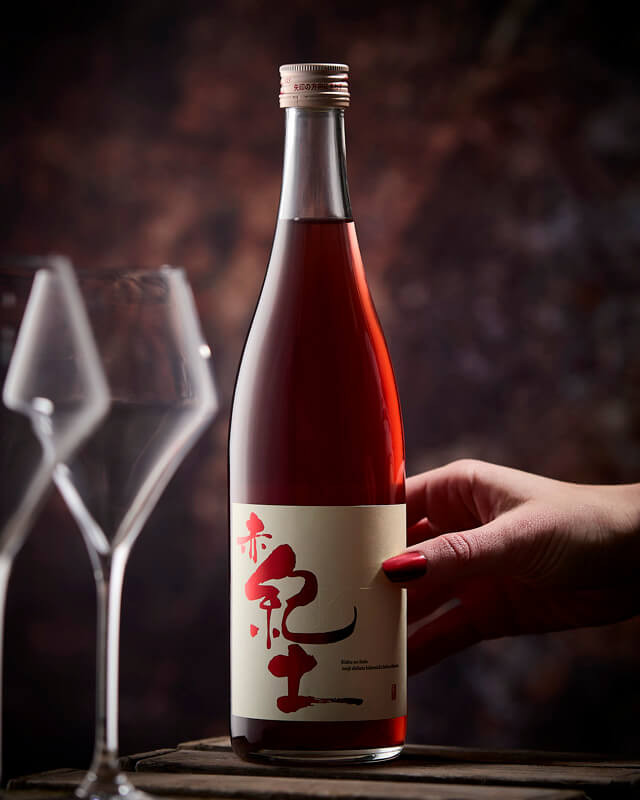
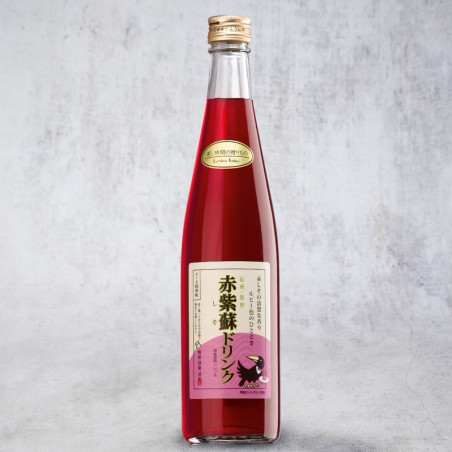
Main ingredients used to make this juice are red shiso and ume plum, issued from local organic farming.
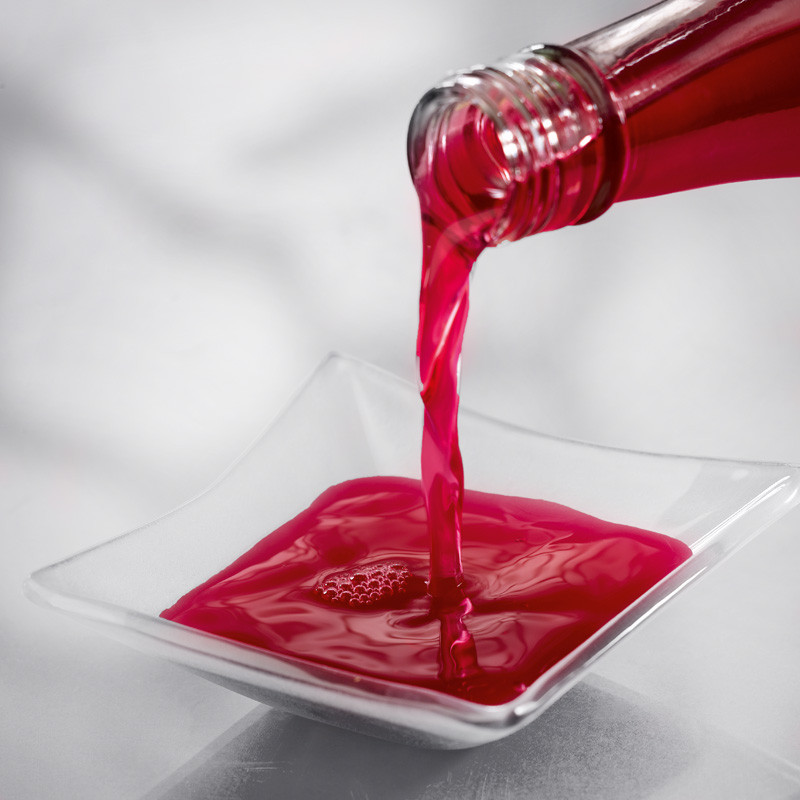
The juice obtained is 100% natural. It is very fresh, slightly sour with a perfect sugar balance.
Our perfect combination : granites, sauces, jellies, bavarois and creams or to flavor ganaches, ice creams, sherbets…
Data sheet
 KUMANO KODO
About 25 years later, in 2005, this association evolve into a company, today renown nationwide for the quality of it's products : KUMANO KODO.
Originaly, "KUMANO KODO" refers to a collection of pelgrimage routes that lead to the temple Sanzan in Kumano from various locations in Japan.
The Sacred Sites and Pilgrimage routes going through the Kii mountain range have been designated as World Heritage by UNESCO on July 7th 2004.
Interaction of nature and Mankind, and center of all the attentions since it's nomination, it is the first protected cultural landscape in Japan.
The main product of Kumano kodo is the traditional shiso juice. The ingredients used for it's preparation are red shiso and ume plum, both issued from local organic farming.
The juice obtained is 100% natural, without additives, preservatives nor colouring. It is very fresh, slightly sour with a perfect sugar balance.
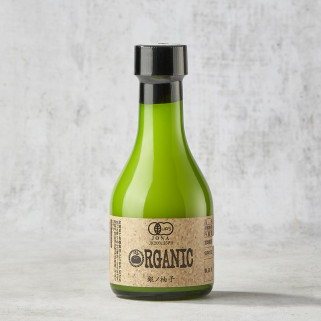
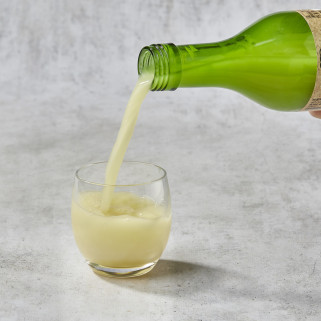
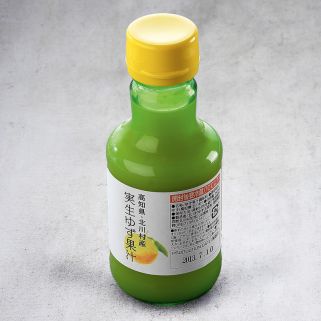
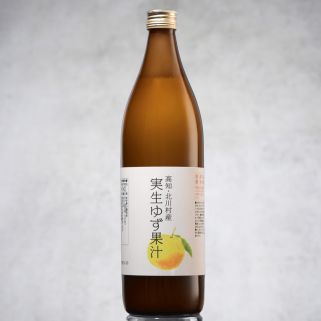
Main ingredients used to make this juice are red shiso and ume plum, issued from local organic farming.

ALCOHOL ABUSE IS DANGEROUS FOR YOUR HEALTH. CONSUME IN MODERATION. CONSUMING ALCOHOLIC BEVERAGES DURING PREGNANCY, EVEN IN SMALL QUANTITIES, CAN HAVE SERIOUS CONSEQUENCES FOR THE HEALTH OF THE CHILD.


FAQ