



Ref : NISYZ1
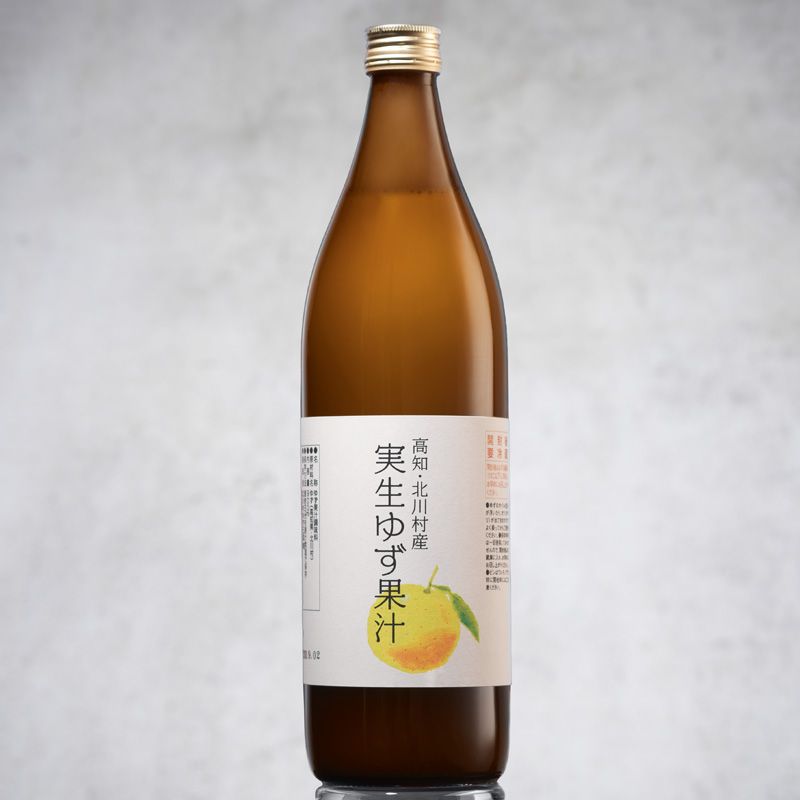
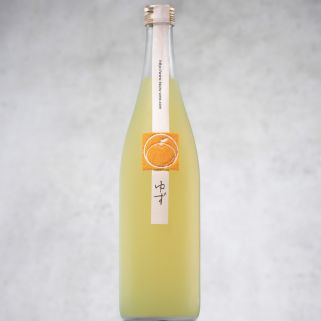
Mishoyuzu is the fruit of the wild yuzu tree, which has not been grafted and on which the fruit firsts appear only after 18 years have passed! Its «Kkngdom» is at Kitagawa, on Shikoku island (Kôchi Prefecture).
Mishoyuzu is harvested when it is perfectly ripe and the fruit exhales stong green mandarin, lemon and green grapefruit notes.
The juice is much more concentrated and more consistent than yuzu juice from grafted trees. The nectar we offer is 100% natural.
Our perfect combination : perfect for sorbets, bavarois and mousses. flavors ganaches, chocolates and cocktails. Used as a condiment, this juice is excellent in meat or fish marinades and spices grilled fish and meat.
Data sheet
 YUZUOUKOKU
When you are in Kitagawa ( Kochi ), there are mountains as far as the eye can see! From November onwards the village bubbles with activity: the yuzu harvest begins. The visitor is surprised and intoxicated by the powerful fresh smell of Yuzu which hangs heavy over the village. 40 % of Japanese national production ( a quarter coming from Kitagawa ) is centred in Kochi Prefecture .
Growing yuzu trees started to be a serious business in this region in the 60s, in an area of 6 hectares. Today there are more than 100 hectares and the quality is without doubt the best in Japan.
Kitagawa, in the heart of the village itself, boasts the presence of numerous hundred-year-old yuzu trees. These trees, called Misho Yuzu, are not grafted like the majority of other yuzu plants. You need to wait at least 18 years for the first harvest!
These fruits have a much more powerful aroma and deeper flavour. The yuzu blossoms in May. The blossom is white, magnificent and gives off a very sweet yuzu smell everywhere. The young fruit, green yuzu, appear in August and they are harvested as soon as the fruit is the size of a table tennis ball. They grow slowly and give off a powerful aroma. The ripe yuzu, yellow in colour, is harvested from the end of October onwards. All the village folk participate in harvesting Yuzu and the fruit station is the scene of a permanent fleet of vans unloading freshly harvested fruit.
In Kitagawa every house has at least 2 or 3 Yuzu trees. The average annual consumption of yuzu vinegar par inhabitant is 4 litres! Yuzu juice and soy sauce are inseparable for the village folk. This delicious seasoning is used for salads, raw fish Sashimi, Tofu…
Misho Yuzu is especially characterised by its powerful aroma and well established acidity. In Kôchi prefecture, Misho Yuzu is only available in Kitagawa.
This little village, 1600 inhabitants strong, produces more than 940 tonnes of Yuzu, and that's why it's called "Kitagawa Land of the Yuzu".
 Caroline S.

Very fragrant and different from a simple lemon juice (Translated review)
PUTOT R.
I love it, an exceptional citrus fruit. I even tried it on a spring honey pancake, and I'm still salivating. (Translated review)
Jean-Philippe M.
Very tasty (Translated review)
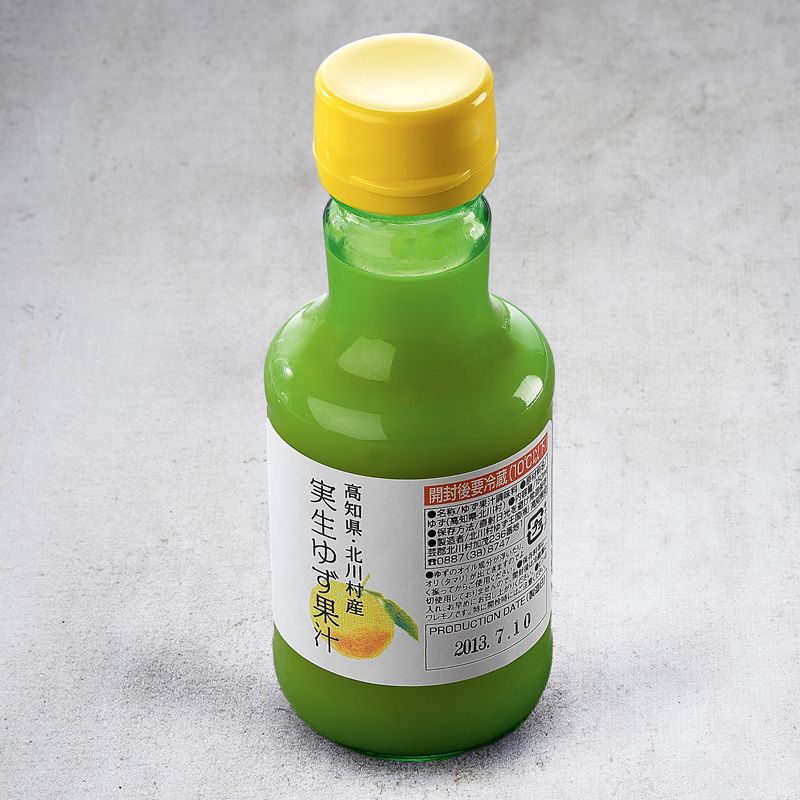
Mishoyuzu is the fruit of the wild yuzu tree, which has not been grafted and on which the fruit firsts appear only after 18 years have passed! Its «Kkngdom» is at Kitagawa, on Shikoku island (Kôchi Prefecture).

ALCOHOL ABUSE IS DANGEROUS FOR YOUR HEALTH. CONSUME IN MODERATION. CONSUMING ALCOHOLIC BEVERAGES DURING PREGNANCY, EVEN IN SMALL QUANTITIES, CAN HAVE SERIOUS CONSEQUENCES FOR THE HEALTH OF THE CHILD.


FAQ