




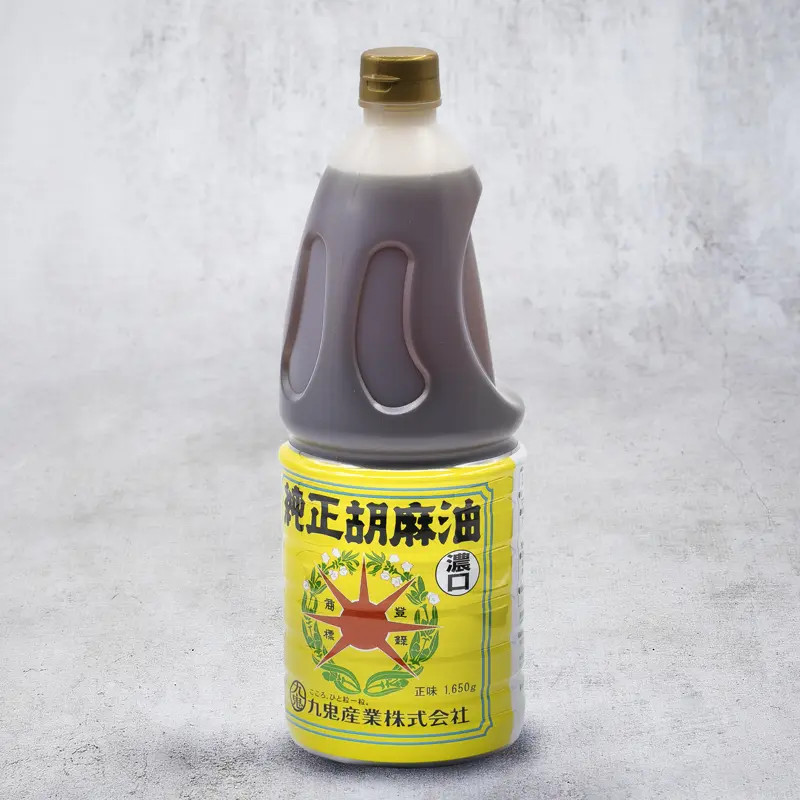

Koikuchi means the oil is dark color.
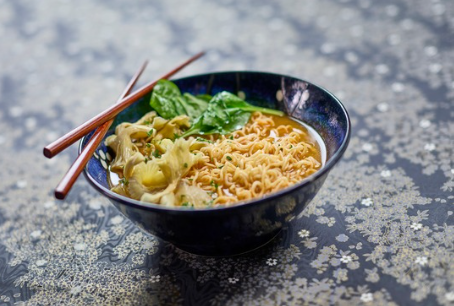
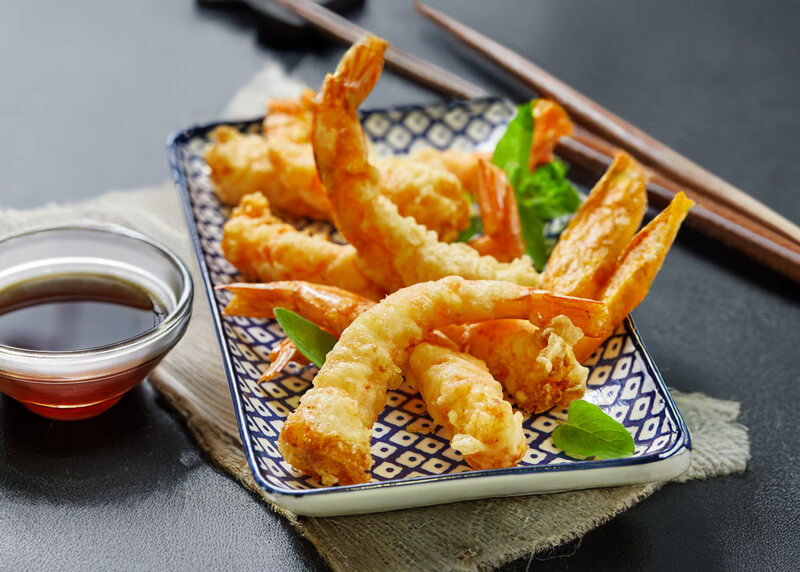
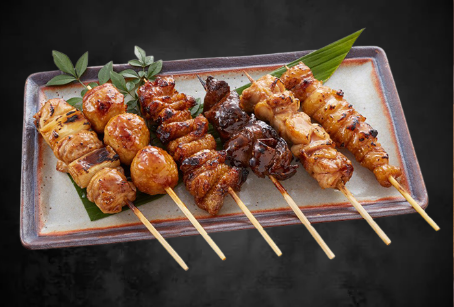
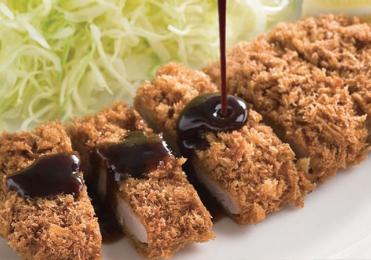
Our perfect combination : vinaigrettes, Tempura, sautéed meats or vegetables, pastries, pasta, barbecue sauces, gyoza, ramen, makis, and Chinese cuisine
Data sheet
 KUKI SANGYO
The traditional craftsman production process respects simple principles: offer sure, good and safe products.
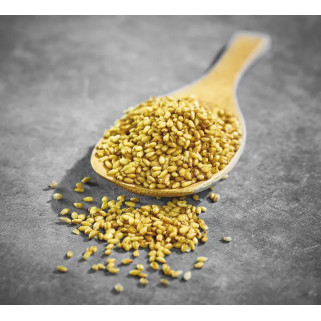
The Kuki Sangyo sesame oil production process has not changed since its creation in 1886. The sesame seeds are very carefully selected, then thoroughly cleaned, roasted, steam heated to facilitate oil separation, and finally pressed to extract the precious nectar !
After 2 weeks settling and decanting, the oil is filtered many times through Japanese paper or fabric for 6 weeks until perfect and then packaged. Kuki Sangyo uses this authentic pressing method without ever using any chemical products. The sesame seeds used come from the best sources and undergo a series of draconian tests before being accepted for production.
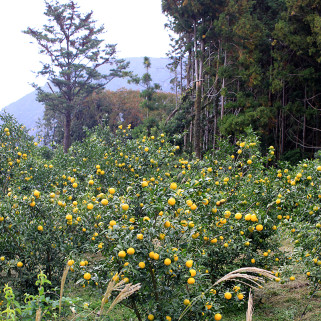
The consistency of taste, colour and quality comes from mastering the mixing of the sesame, temperature control and roasting time. The rest is a result of the Kuki Sangyo master craftsmen's know-how allowing the oils and other Kuki Sangyo products to express themselves to the fullest. It is interesting to note that all of the Kuki Sangyo production residue, lees, sesame bran, sediment…are used as fertilizer on the Kuki Sangyo farms to grow sesame or different vegetables.

ALCOHOL ABUSE IS DANGEROUS FOR YOUR HEALTH. CONSUME IN MODERATION. CONSUMING ALCOHOLIC BEVERAGES DURING PREGNANCY, EVEN IN SMALL QUANTITIES, CAN HAVE SERIOUS CONSEQUENCES FOR THE HEALTH OF THE CHILD.


FAQ