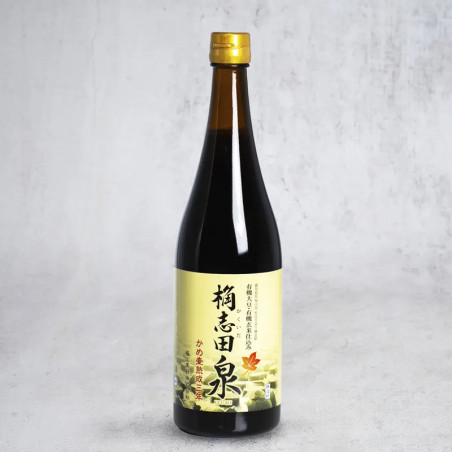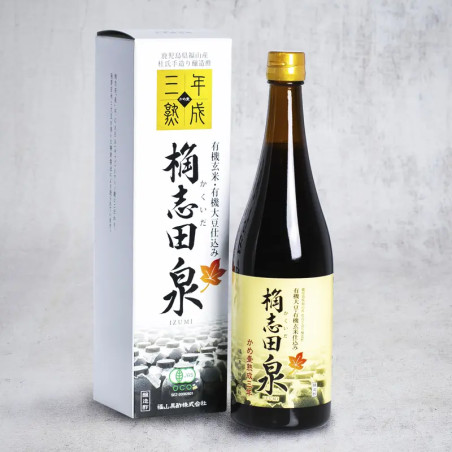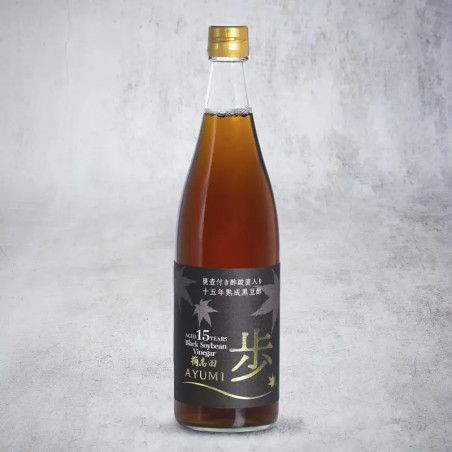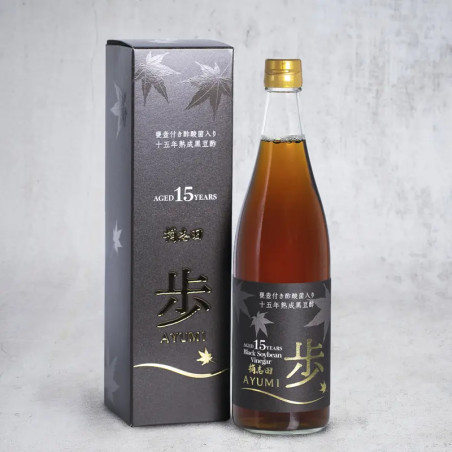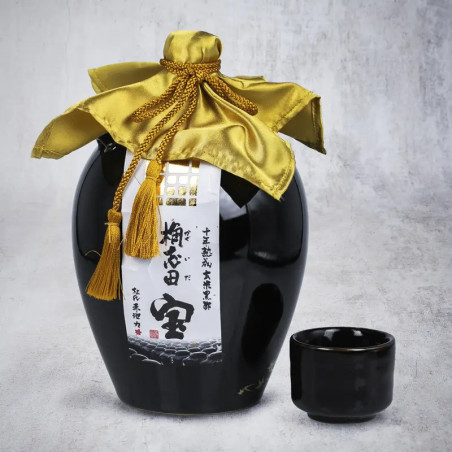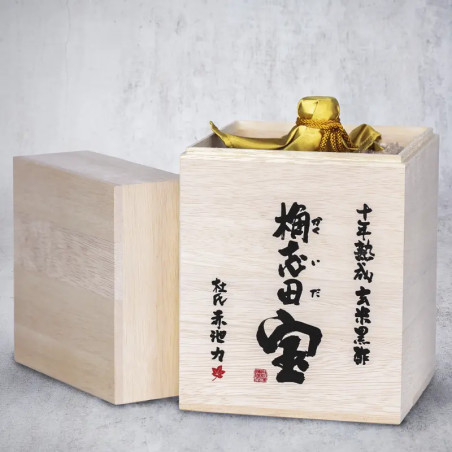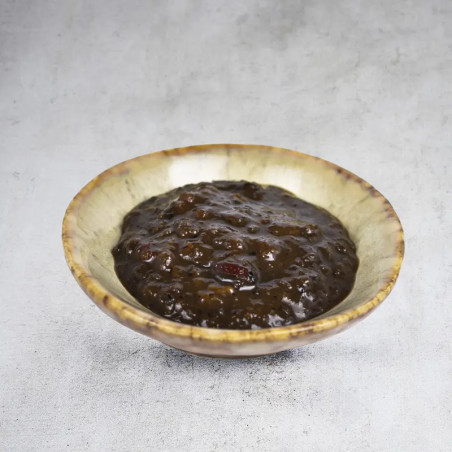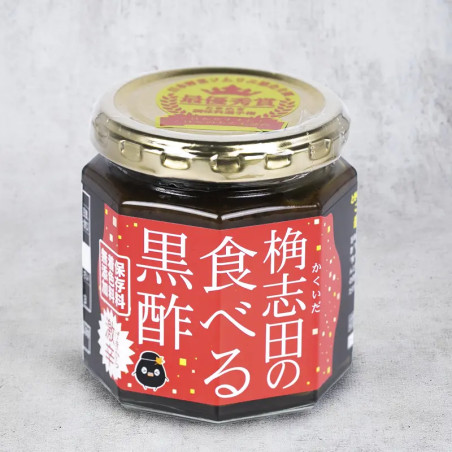



€31.50
€63.00 / L
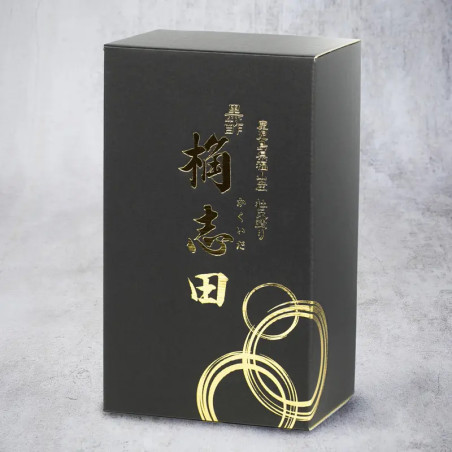
€31.50€63.00 / L
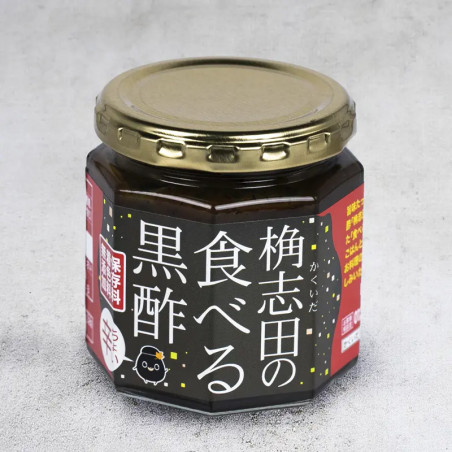
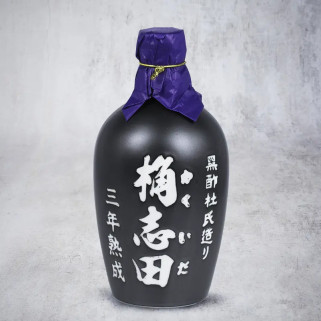
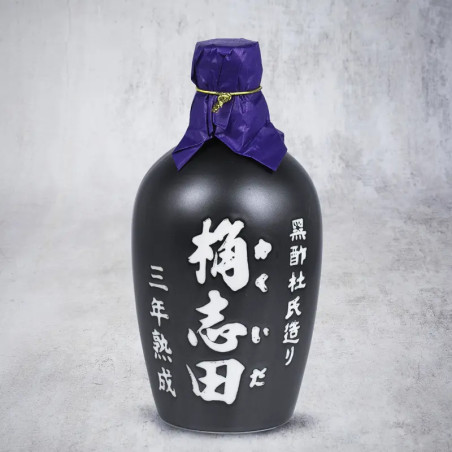
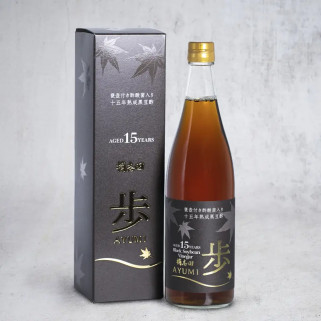
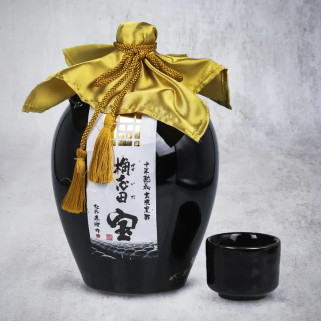
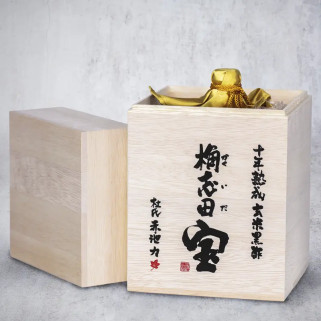
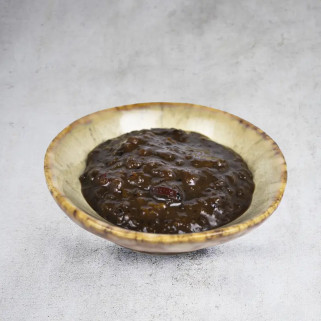
Japanese vinegar
Awarded Excellence prize at "Kagoshima New Hometown Special Product Contest;
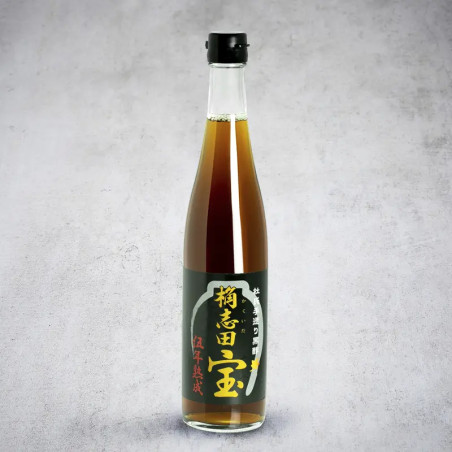
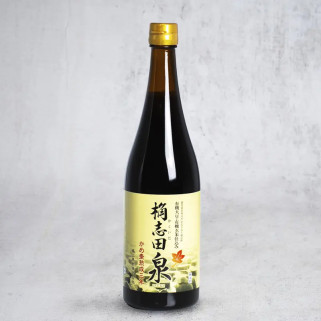
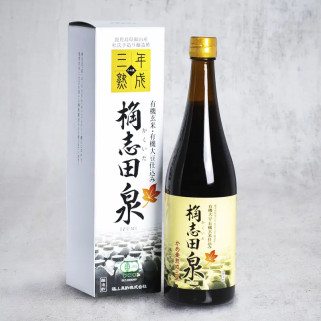
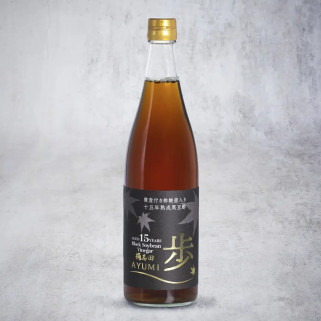
This vinegar contains more essential amino acids than the usual "Kashida" black vinegar.
€31.50€63.00 / L

The origin of vinegar goes back to about 7,000 years ago and the birth of black vinegar dates back to the Edo period. It has been made for 200 years using a traditional process. Fukuyama-cho spring water, renowned for its properties and benefits to the body, is an integral part of the process of making black vinegar, which is made from brown rice and malted rice...
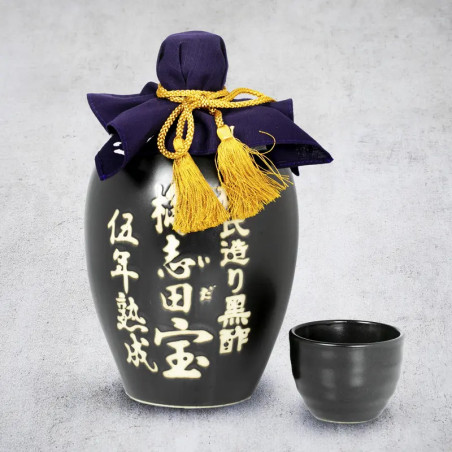
The aging process is slow, 2 to 3 years minimum, and is done naturally in jars placed outside facing the sea, at the mercy of the weather and temperatures of the region.
This maturing place, covered with nearly 20,000 clay pots, located on the outskirts of Kirishima, on the shores of Kagoshima Bay, was founded specifically by the young samurai of the region in the Edo period.
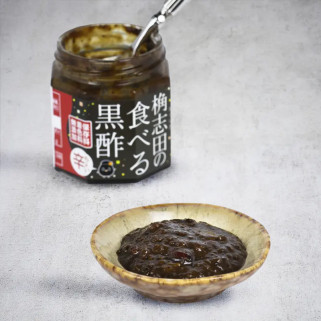
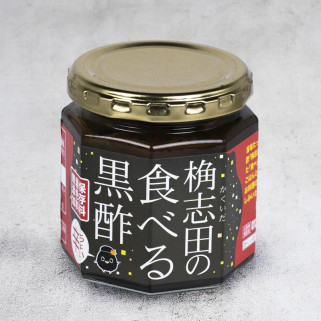
To make this black vinegar, our craftsman Kakuida Fukuyama Kurozu mixes steamed brown rice, koji (malted rice) and water in large clay pots. These pots are stored outside in a field exposed to the elements.
Over time, mash undergoes two types of fermentation, first yeast fermentation, then acetic fermentation.
Vinegar is then slowly refined for a long time, which softens it and gives it a rounder, softer taste, increasing sugar and amino acid content and giving it its delicious caramel color. Acetic acid, abundant in black vinegar, is absorbed by the body and produces a substance called adenosine.
Adenosine then works with the blood vessels and blood pressure.
Black vinegar is also rich in amino acids. Many researches have shown the beneficial impact of its consumption for the body. Many processes in the body require amino acids. For people who are very active, black vinegar is a good way to maintain an internal chemical balance.
All these vinegars are guaranteed without any additives, colorings or preservatives
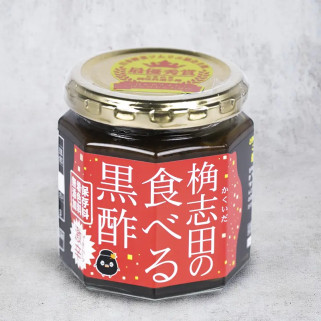
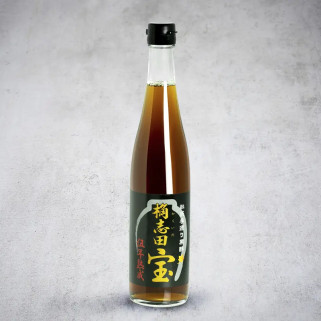
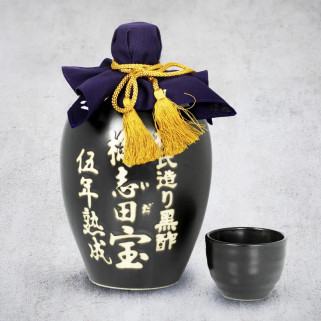
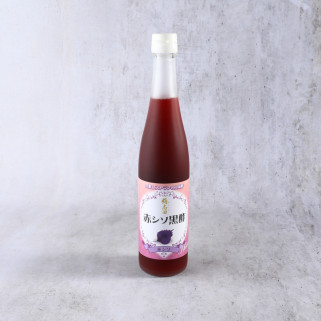
8 products

ALCOHOL ABUSE IS DANGEROUS FOR YOUR HEALTH. CONSUME IN MODERATION. CONSUMING ALCOHOLIC BEVERAGES DURING PREGNANCY, EVEN IN SMALL QUANTITIES, CAN HAVE SERIOUS CONSEQUENCES FOR THE HEALTH OF THE CHILD.


FAQ