








Ref : NISDOTA2
Umami, a Japanese term for flavor dating back to the early 20th century, is an important aspect of Domaine Takahiko's wines, philosophy and sense of terroir. Takahiko Soga and his wines are Japanese, and Soga's conception of his wines and his project are linked to Japanese tastes and eating habits.
Rather than fruits and flowers, Soga refers to dashi, forest soils, mushrooms and the fermentative notes of shoyu, sake and miso to describe the aromas and flavor profiles of his wines. This delicate, savory aspect of wines comes in part from the cool, humid, woody and biodiverse place that produces them, but he firmly believes that these characteristics also emerge from his approach in the cellar.
From 2019, Yoichi recorded average annual number of growing degree days of northern Burgundy (1366) and again in 2022. In July, before and after flowering, rainfall was lower than usual and climate was warm, leading to an ideal harvest volume.
While rainfall was heavier in August, at the start of veraison, September and October saw less rain, resulting in an ideal harvest in terms of sugar content, color and quantity. Many people will probably like 2021 vintage, but 2022 vintage is the one that best represents the unique style of Domaine Takahiko Soga.
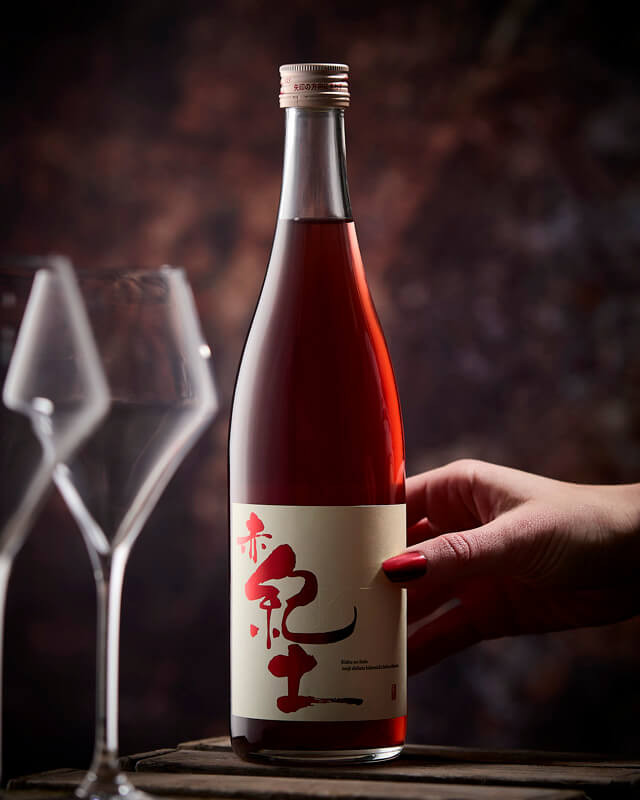
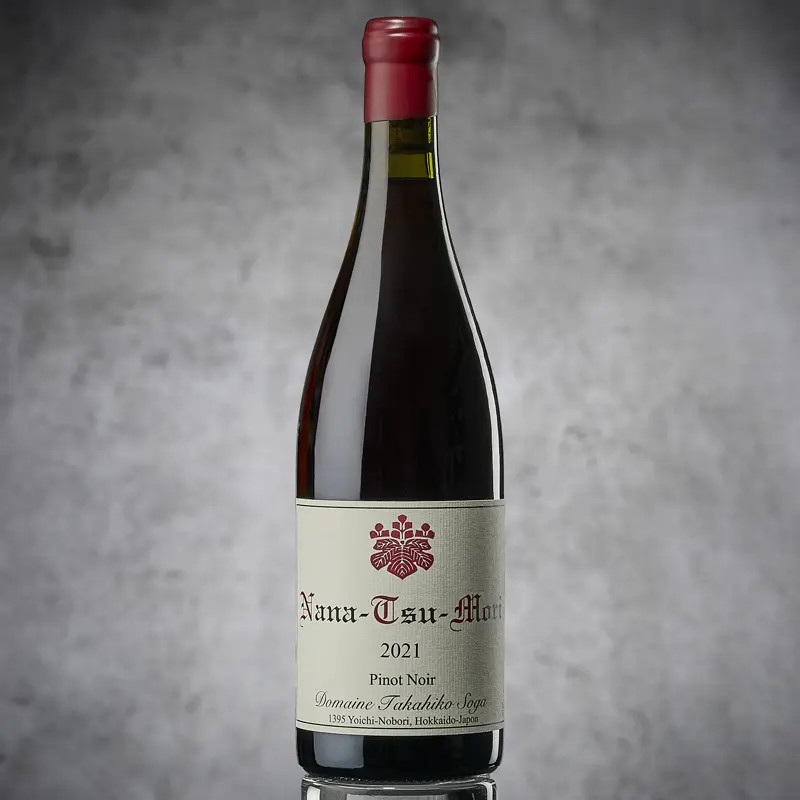
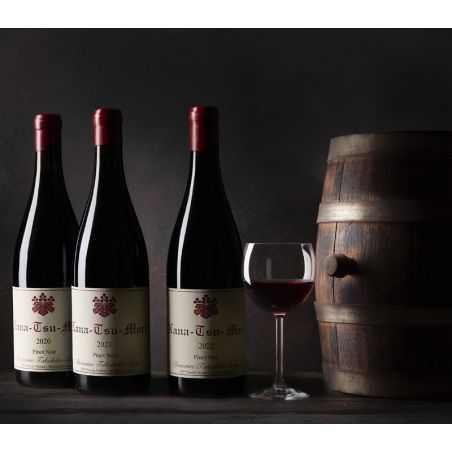
Nana-Tsu-Mori Pinot Noir is Domaine Takahiko's flagship wine, produced from the estate's vineyard of 13 Pinot Noir clones. Fermented in large, neutral, inert resin tanks and aged in French oak barrels (15% new) with 100% whole bunches, it is bottled without fining or filtering.
A very small amount of SO2 is added only when necessary: 10mg/L in 2020, 0 added in 2021. This wine undergoes a long, 55-day, whole-cluster fermentation.
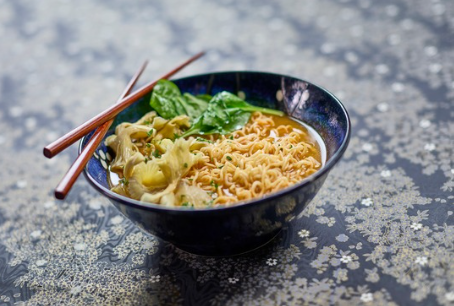
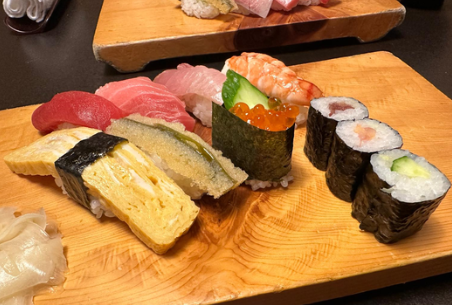
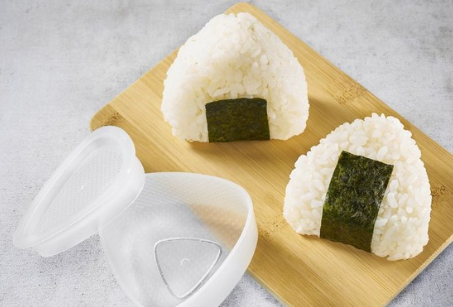
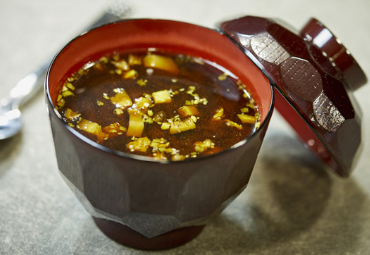
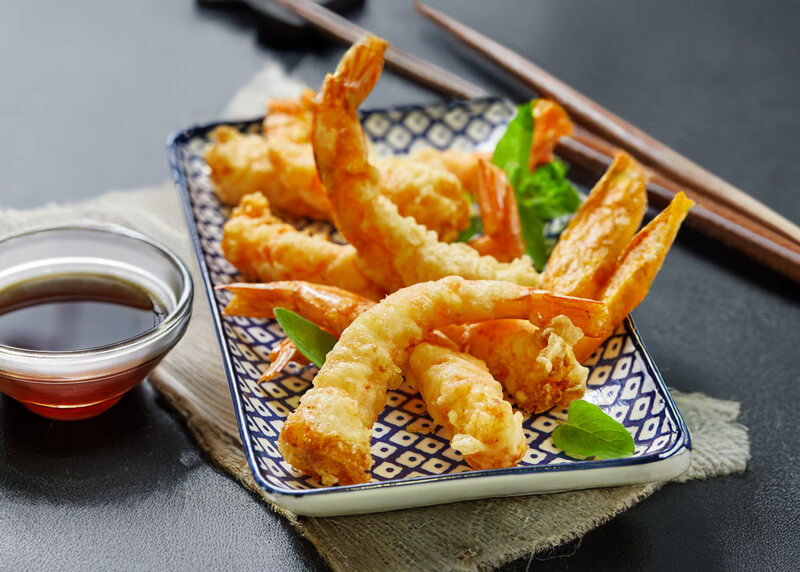
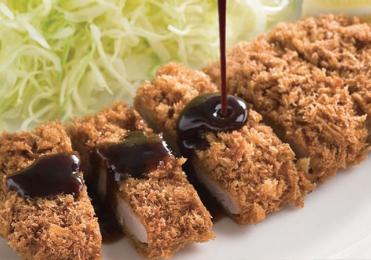
It goes well with squab, mature beef, white meats and fish in sauce. It is inevitably predestined for refined Japanese cuisine and umami-rich ingredients.
Serving temperature at the sommelier's discretion.
No sulfurous acid is used, to provide the best conditions for the (wild) micro-organisms involved in fermentation process. Old oak barrels are mainly used for aging, with only 15% new barrels.
In 2021, Yoichi recorded the highest number of growing degree days in its history, on a par with Burgundy. Very low rainfall during flowering and up to veraison, together with abundant sunshine, resulted in a memorably high-quality pinot noir year, with small berries, dark color and high sugar content.
2021 was undoubtedly a great vintage, with 20 days where the temperature exceeded 30 degrees (compared with only 4 days in most years), so the effects of global warming were very noticeable. A vintage with more spice notes, such as cumin and cinnamon, black fruit notes and tannins than previous vintages, with a different fruitiness and structure.
It also has a high alcohol content and a well-defined red color. Fruitiness is accompanied by aromas of violets and other plants, as well as dead leaves and mushrooms, resulting in a complex wine with many forest aromas and a very long, pleasant finish with an umami flavor.
Nose evokes the pleasant scents of the forest, with a variety of aromas such as beet, matsutake mushroom, ume plum, truffle, strawberry, mint, pine resin, katsuobushi (dried bonito flakes), cherry, blackcurrant, violet, clove, sandalwood and black tea.
This is a great wine to drink now, but it's a vintage that needs more aging than any other in the history of their cellar. It's best to wait until late 2024 to uncork it, so that it has time to recover from any temporary bottle shock. Ideally, let it age for at least four years before uncorking. A world of emotions awaits you.
Data sheet
 Domaine Takahiko & Takahiko Soga
This vineyard has around 9,000 Pinot Noir vines and a small winery that produces 20,000 bottles of wine a year. The vineyard is located on a well-drained hillside at an altitude of 60 m in Yoichi. Geological feature is volcanic clay soil mixed with weathered gravel and sand on andesite host rock.
Affected by warm seawater, the region is relatively warm in Hokkaido and receives less precipitation. In addition, due to the region's unique topography, surrounded by capes and mountains, trees and plants are few and far between. Vines and grapes are protected from disease by the sea breeze and the dry wind that blows from Mount Yotei over the region. In winter, snowfalls exceed 1 meter, and thanks to the powdery snow covering the vines, they protect the Pinot Noirs from the harsh winter cold.
Mr. Soga's winemaking philosophy is to do as little as possible and let nature do its job of fermenting wild grapes, whole bunches, without sulfites. There's no need to follow manuals; Domaine Takahiko makes wine from the heart. For Mr. Soga, the ideal wine produced in Japan must be in harmony with the Japanese climate in terms of taste and aroma to express the beauty of Japanese food culture. His wine is not available to the general public. Nana-Tsu-Mori is now a high-end wine brand in Japan. Takahiko Soga's wines are a phenomenon in Japan.
Wines from his tiny estate, located at the northern tip of Japan's northernmost island, Hokkaido, are among the most sought-after and hard-to-find in Japanese restaurants and wine stores. Hundreds of volunteers from all over Japan come to the estate to help with the harvest, all attracted by the unique wines and philosophy of the estate's founder, as well as the incredible quality of its natural wines.
Takahiko's influence extends beyond an interest in his own wines, as a community of former apprentices and current acolytes continues to grow around him and his Yoichi farm. All are drawn to his delicate, flavorful wines, his simple, unpretentious approach to winemaking and his regenerative, committed and diligent farming practices. Domaine is an important word for Takahiko Soga. Being of French origin, it may seem a little out of place for a project whose sensibility is typically Japanese.
The choice of Pinot Noir as winery's main grape variety reflects the influence of French wine (and in particular Jura and Burgundy) on Takahiko Soga's project, but the word “domaine” also expresses the limited nature of the project and the close identification with agriculture and the land itself. Domaine Takahiko wines are the expression of Yoichi's unique terroir. Takahiko Soga considers himself first and foremost a farmer and sees his work as essentially agricultural.
He shares this identity with his Yoichi neighbors, whether they grow potatoes, apples, cherries or grapes. Yoichi lies at the foot of mountainous Shakotan Peninsula, on the northern coast of Hokkaido. Hokkaido, northernmost of Japan's main islands, is generally characterized by hot, humid summers and icy winters with abundant powdery snow. This island's soils are dark, soft and highly fertile, and Hokkaido's produce - potatoes, cereals, flowers, fruit, herbs and vegetables - is renowned throughout Japan for its quality. In a country that is largely inhospitable to Vitis vinifera due to its heat and humidity, Hokkaido is also particularly well suited to growing grapes and making high-quality wines without interventionist farming practices.
Yoichi, protected from the extremes of Hokkaido's climate by the mountains and characterized by well-drained gravel and sand hillsides, is particularly well suited to viticulture. Usual responses to botrytis might be the intensive use of fungicides (which runs counter to the philosophy of Domaine Takahiko) or an attempt to make a sweet wine, which Takahiko Soga was not interested in. Seeing that Botrytis infection arrived year after year, Takahiko Soga set out instead to produce a dry wine from these grapes.
Using blowers in the vines, he monitors the extent and severity of noble rot and harvests affected berries separately. It is from these berries that he produces Domaine Takahiko Nana Tsu Mori Blanc de Noir: the infected berries are pressed directly after harvest, and the juice ferments dry (or nearly dry) every year. This wine, rather than being reddish, aromatic and sweet, is deep and defined by its savory, umami notes. Takahiko works with whole-cluster fermentations in his wines, and it's this that gives them their unique character.
Umami, a Japanese term for flavor dating back to the early 20th century, is an important aspect of Domaine Takahiko's wines, philosophy and sense of terroir. Takahiko Soga and his wines are Japanese, and Soga's conception of his wines and his project are linked to Japanese tastes and eating habits.
Rather than fruits and flowers, Soga refers to dashi, forest soils, mushrooms and the fermentative notes of shoyu, sake and miso to describe the aromas and flavor profiles of his wines. This delicate, savory aspect of wines comes in part from the cool, humid, woody and biodiverse place that produces them, but he firmly believes that these characteristics also emerge from his approach in the cellar.
From 2019, Yoichi recorded average annual number of growing degree days of northern Burgundy (1366) and again in 2022. In July, before and after flowering, rainfall was lower than usual and climate was warm, leading to an ideal harvest volume.
While rainfall was heavier in August, at the start of veraison, September and October saw less rain, resulting in an ideal harvest in terms of sugar content, color and quantity. Many people will probably like 2021 vintage, but 2022 vintage is the one that best represents the unique style of Domaine Takahiko Soga.
Nana-Tsu-Mori Pinot Noir is Domaine Takahiko's flagship wine, produced from the estate's vineyard of 13 Pinot Noir clones. Fermented in large, neutral, inert resin tanks and aged in French oak barrels (15% new) with 100% whole bunches, it is bottled without fining or filtering.
A very small amount of SO2 is added only when necessary: 10mg/L in 2020, 0 added in 2021. This wine undergoes a long, 55-day, whole-cluster fermentation.
It goes well with squab, mature beef, white meats and fish in sauce. It is inevitably predestined for refined Japanese cuisine and umami-rich ingredients.
Serving temperature at the sommelier's discretion.

ALCOHOL ABUSE IS DANGEROUS FOR YOUR HEALTH. CONSUME IN MODERATION. CONSUMING ALCOHOLIC BEVERAGES DURING PREGNANCY, EVEN IN SMALL QUANTITIES, CAN HAVE SERIOUS CONSEQUENCES FOR THE HEALTH OF THE CHILD.


FAQ