




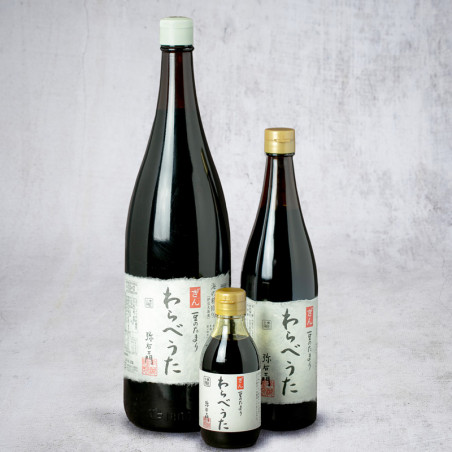

Ref : NISTAMIN9
It's a very grand cru !
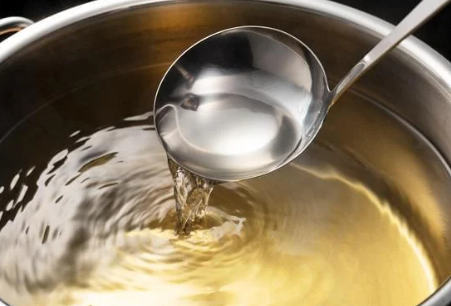
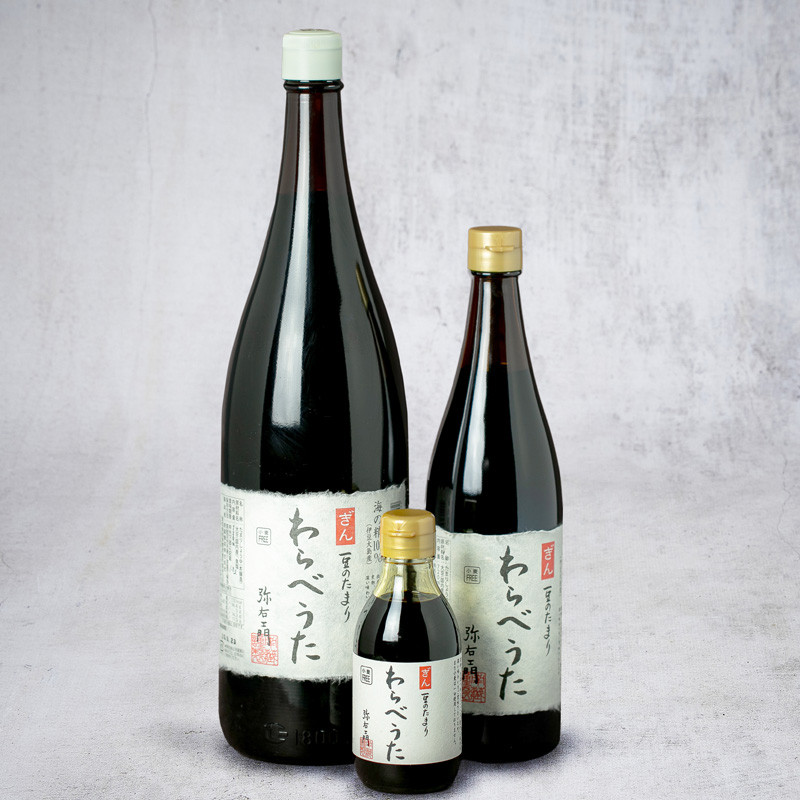
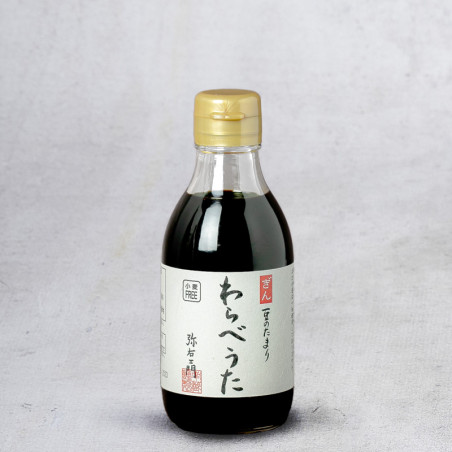
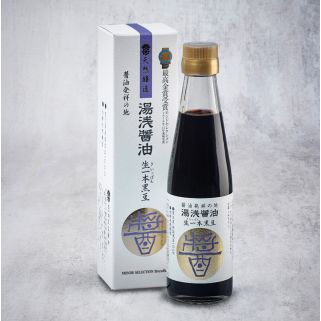
Warabeuta tamari sauce is a soy sauce made from whole Japanese soybeans, not defatted, and traditional Japanese sea salt called "umi no sei".
The refining takes place in nearly 150 years old Japanese cedar vats.
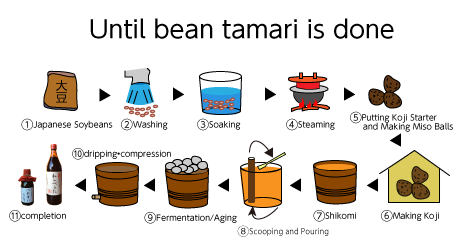
At our artisan Minamigura, production begins by mixing 1.5 tons of steamed soybeans in a huge wooden vat with half the amount in water; it is called "Gobujicomi".
In more industrial production, equal amounts of water are used (Tomizujikomi process) but the flavor is much weaker.
For "Gobujikomi", the soybeans and water are refined for three years.
This "Tamari" is fermented, naturally and long aged and has a special flavor, and is completely natural.
The role of "Koji" in making "Tamari" is as important as it is for miso (but the type of Koji mushroom is different).
The "Tamari" with a very rich and ripe taste, gradually descends from the vat after maturing for three years and is then harvested.
This "Tamari" is called "Kibikidamari".
Alternatively, the miso (mixture of soybeans, water, salt) is taken out of the tank then placed between cloths, by layer, and pressed to obtain a tamari called "Assakudamari".
Large companies use a combination of wheat and soybeans in mass production because the wheat fungus ferments soybeans much faster than the natural soy fungus.
However, only good soybeans, grown in Japan, natural salt and pure water are used at Minamigura.
The Warabeuta tamari sauce is of the kibikidamari type, the ultimate, the rarest, the most precious and has been refined for at least 3 long years.
It has twice the umami and thickness of general soy sauce.
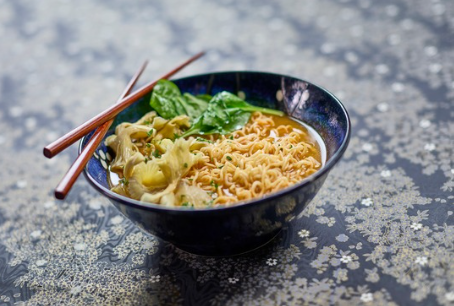
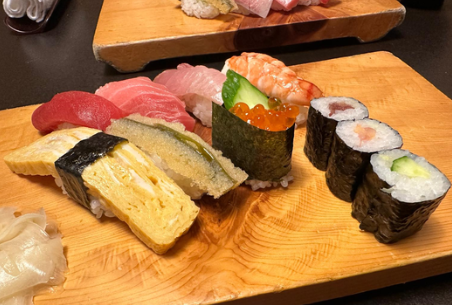
Our perfect combination : you can use this tamari sauce for Japanese cuisine, tasting beef, making a simple olive oil sauce ...
Data sheet
 MINAMIGURA
Traditional miso and soy sauces are long-lasting, preservative-free and chemical-free products thanks to their beneficial natural enzymes and yeasts.
We try to produce the only, the best and use natural sea salt called "Umi no Sei" which is rich in minerals and contains less sodium, which results in a smoother taste. We use soy grown in Japan from sustainable agriculture. Fermented Miso and Tamari are stable in a huge wooden vat, but they lose that stability when exposed to air; therefore, great care is taken during the packaging process.
Our mission is to preserve and protect the traditional method of making organic miso and tamari, because it is more natural and healthier”.
Mame miso - Soy beans miso
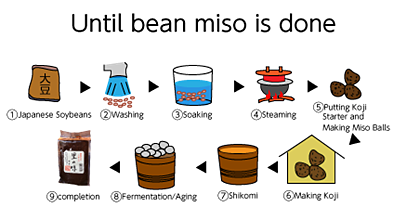
The most important part of the Miso making process is to make the "Koji". First, the soybeans are mixed with the "Koji" mushroom and kept at 30°C , with good air circulation, to incubate for three days. In “Minamigura”, “miso Shikomi” (fermenting soybeans) is still only made once a year, from late February to April. The amount of salt water is decided by analyzing the state of the "Koji" thus precisely controlling the salinity.
"Shikomi" is the process of putting the "Koji" and a salt solution in a huge vat of Japanese cedar wood, nearly 150 years old and taller than a man. The mixture is then pressed and the whole process is repeated several times. Then it is kept for three years to ferment and age. Large industrial companies use Warmed Brewing which keeps the "Koji" at 30°C all year round to artificially accelerate fermentation.
This process costs less and is more profitable but does not have the strong subtle taste due to lack of aging.
"Mame Miso" made by natural brewing achieves its characteristic and strong taste, by its long exposure to hot and humid Japanese summers and to cold and dry winters.
"Mame Miso" is never heated during the entire manufacturing process; therefore, its flavor and enzymes remain alive.
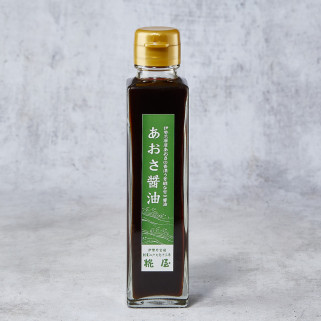
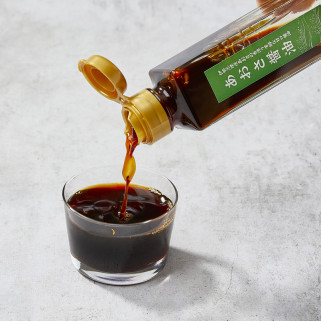
It's a very grand cru !
Warabeuta tamari sauce is a soy sauce made from whole Japanese soybeans, not defatted, and traditional Japanese sea salt called "umi no sei".

ALCOHOL ABUSE IS DANGEROUS FOR YOUR HEALTH. CONSUME IN MODERATION. CONSUMING ALCOHOLIC BEVERAGES DURING PREGNANCY, EVEN IN SMALL QUANTITIES, CAN HAVE SERIOUS CONSEQUENCES FOR THE HEALTH OF THE CHILD.


FAQ