Japanese Glutinous Rice: The Essential Ingredient for Authentic Preparations
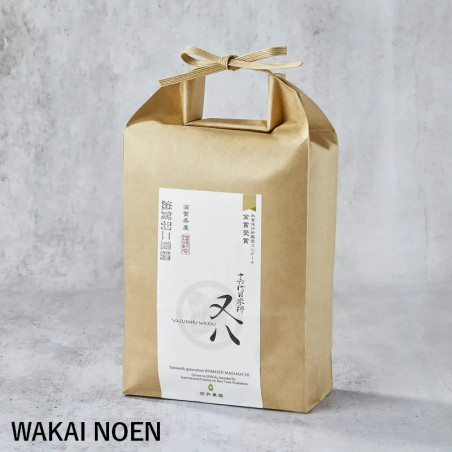
Japanese glutinous rice, also known as mochigome or mountain rice, is a cornerstone of Japanese gastronomy. Despite its name, it is gluten-free rice, making it ideal for gluten-free diets. This particular rice, also referred to as sticky rice or sweet rice, is primarily used to make the famous mochi, a rice paste that is a symbol of Japan, traditionally enjoyed during New Year celebrations.
Mochi and More: Versatile Uses of Glutinous Rice
Japanese glutinous rice (sticky rice) is essential for creating authentic mochi, but its uses extend beyond that. It accompanies many traditional Japanese recipes, offering a sticky texture and delicate flavor that captivate lovers of Japanese cuisine.
Why Choose Japanese Glutinous Rice from Nishikidôri?
Guaranteed Origin: Grown in a region with optimal natural conditions.
Artisanal Quality: Selected by a passionate artisan, ensuring authenticity.
Gluten-Free: Perfect for specific diets or fans of healthy cuisine.
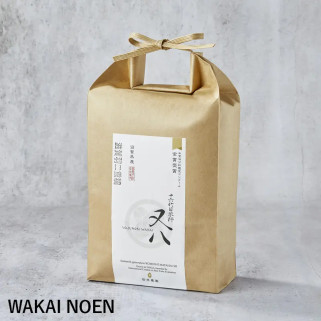
Discover the unique taste of Japanese glutinous rice and explore authentic recipes that will delight your taste buds. Find Himenomochi rice on Nishikidôri for preparations that will transport your senses to the heart of traditional Japan.