






Ref : NISAP4-S
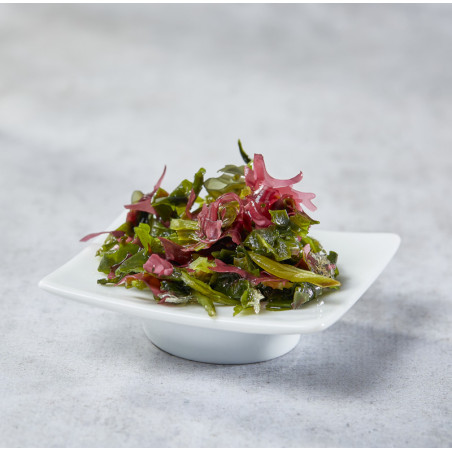
Real fruits or vegetables from sea, seaweeds, which beneficial effects as well as nutritional values are recognized all the over the world, are searched for, to be part of a healthy diet.
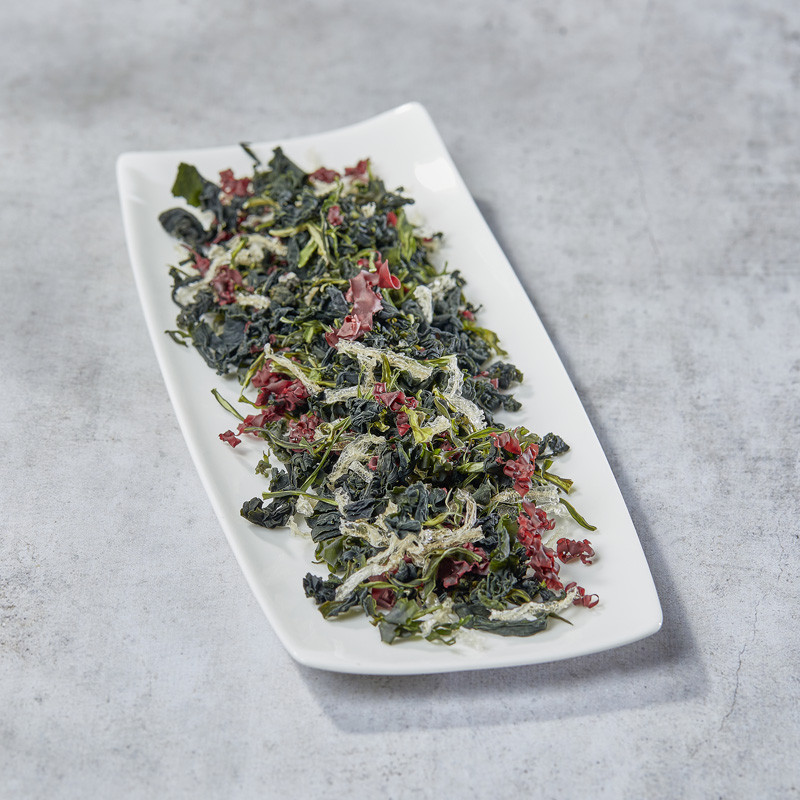
«Seganic» range concept allows to keep the authenticity of the seaweeds: their original appearance, but also their natural flavours, textures, tastes, fragrances.
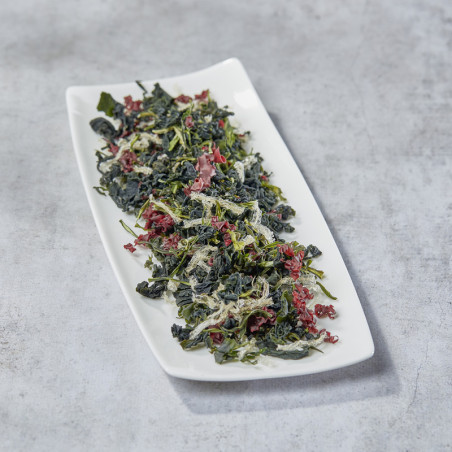
Our superior seaweeds salad is very simple to use, rehydrate it in cold water for 7 to 10 min.
You will be very surprised by the natural sea smell of the freshly harvested seaweed exhaled once rehydrated.
The aromas, flavors and textures are surprising and it is difficult to imagine they have been rehydrated.
Our perfect combination : You will appreciate them as they are, just seasoned or to accompany raw vegetables (spiced with some sesame oil and a few roasted sesame seeds), sashimi or meat or fish carpaccios, seafood and shellfish.
For soups and stocks, use it as it is, dried, and it will rehydrate without any difficulty.
You can also, once rehydrated, use it for delicious seaweed tartars or panfried seafood.
Healthy properties when eaten according to the Japanese :
Kaedenori seaweeds are famous for their numerous nutritional values, their rich fibers, calcium and iron content, their numerous minerals and their low calories intake.
Yanaginori and tosakanori seaweeds are known for their numerous nutritional values, their rich fibers, calcium, magnesium and carotene content.
Data sheet
 YAMACHU
At the same time, Japanese eating habits have seriously changed.
Traditional Japanese products, such as seaweed, are once again considered as healthy. Freshness is one of the major criteria of quality, whether the seaweed is eaten fresh or rehydrated after having been very carefully dried. Yamachu, specialist in the production and sale of dried seaweed, has invested in high technology equipment with the help of the traditional experienced fishermen they work with.
The concept of the "Seaganic " range is first and foremost to maintain the authenticity of the seaweed, their flavour, texture, taste, fragrance…everything natural, their original appearance, without the slightest hint of colour, additive or preservative.
The consumer will end up with healthy, reliable products at a reasonable price. The beneficial effects as well as the nutritional value of seaweed are recognized all over the world today.
Real fruit and vegetables from the sea, they are searched out for those wishing to eat a healthy diet. The specialty of Yamachu is that today they are able to offer a complete range of different guaranteed Japanese seaweed while constantly monitoring food safety and maintaining a perfect traceability (they obtained an ISO9001 certification, 2000 version, in 2002).
 Moshe R.
???
Moshe R.

- (Translated review)
Mathilde T.

quality product, easy to prepare (Translated review)
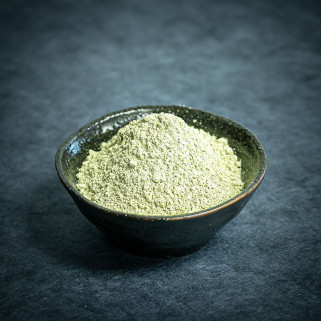
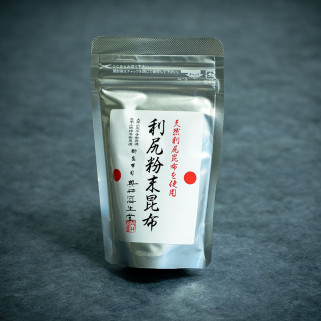
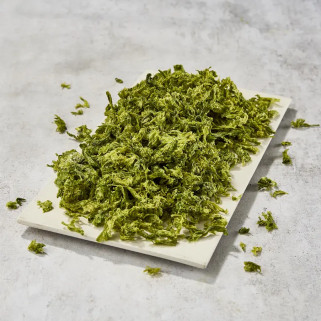
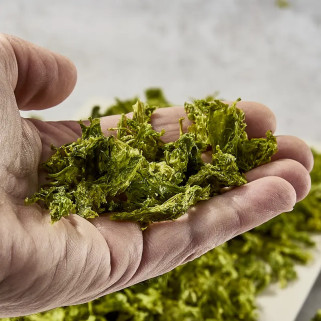
Real fruits or vegetables from sea, seaweeds, which beneficial effects as well as nutritional values are recognized all the over the world, are searched for, to be part of a healthy diet.

ALCOHOL ABUSE IS DANGEROUS FOR YOUR HEALTH. CONSUME IN MODERATION. CONSUMING ALCOHOLIC BEVERAGES DURING PREGNANCY, EVEN IN SMALL QUANTITIES, CAN HAVE SERIOUS CONSEQUENCES FOR THE HEALTH OF THE CHILD.


FAQ