



Ref : NISWA003S
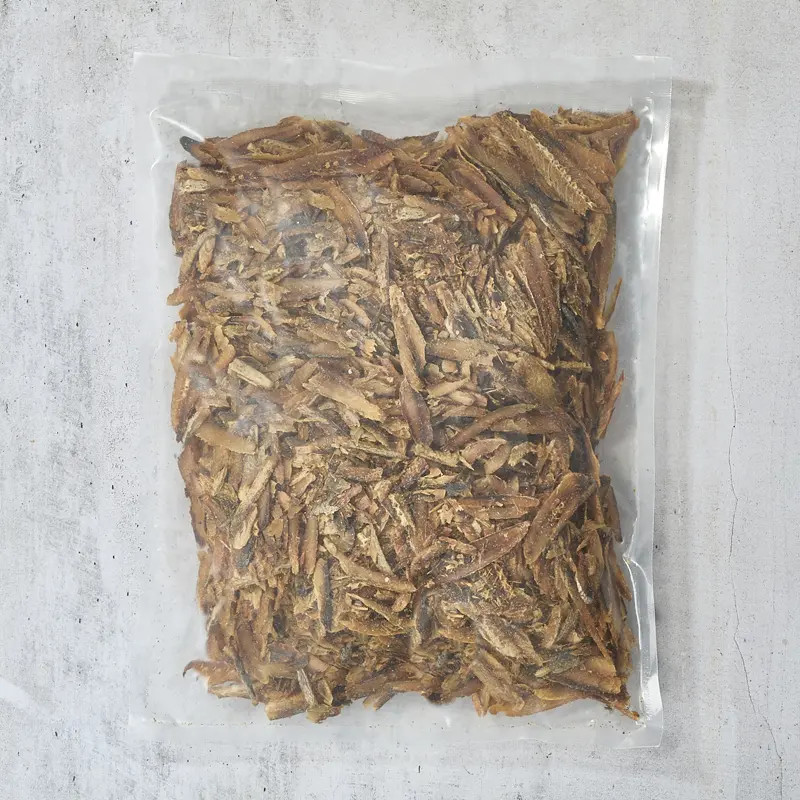
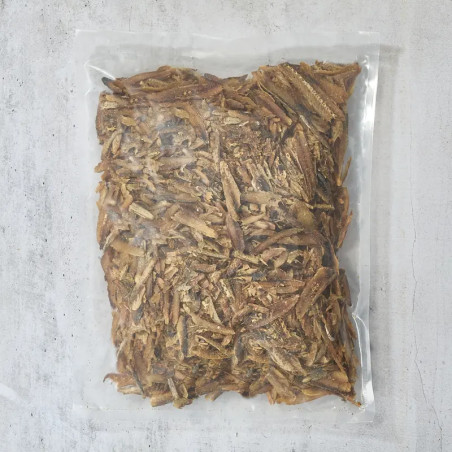
Saba-bushi expresses the rich, savory depth of mackerel and offers a distinct and delicious fish dashi experience.
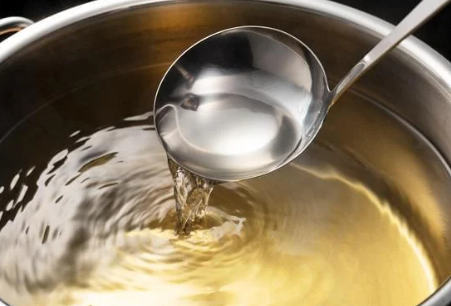
Dashi is basically a Japanese broth, but it is much more than just a broth. It is the savory heart of a wide variety of Japanese dishes. The word dashi literally means “to extract the broth,” referring to the process of extracting flavor from ingredients.
Unlike Western broths, which often require long simmering with many ingredients and can have a very strong flavor, traditional Japanese dashi (especially those made with kombu and katsuobushi) is usually prepared with fewer, carefully selected ingredients and in much less time. While Western broths may rely on animal fats for flavor, dashi primarily enhances flavor through umami, without relying heavily on fats.
The main role of dashi is to subtly enhance and harmonize the natural flavors of other ingredients in a dish.
Saba-bushi is made from mackerel, usually spotted mackerel (Goma-saba) or blue mackerel (Masaba). Like katsuobushi, it is a block of dried fish used to make dashi.
Manufacturing process is similar to that of katsuobushi, which involves simmering, deboning, and smoke-drying.
Saba-bushi dashi is known for its rich, deep, and savory flavor, often more robust and with a more pronounced fish aroma than katsuobushi dashi.
It has a pronounced richness and body, and its main contributor to umami is also inosinic acid. It can sometimes have a slight acidity.
Add 20 g of kombu and 25 g of Saba-bushi atsukezuri to one liter of room temperature water. Leave to rest overnight. The next day, heat slowly until boiling, then remove the kombu. Return to the heat until boiling, then turn off the heat and leave to rest for up to half an hour before straining. Your dashi is ready to use.
Saba-bushi dashi is ideal for soba and udon noodle soups, rich, dark sauces such as tsuyu that accompany soba noodles, and nimono stews (particularly suitable for dishes with strong-flavored vegetables or when a more assertive dashi is desired).
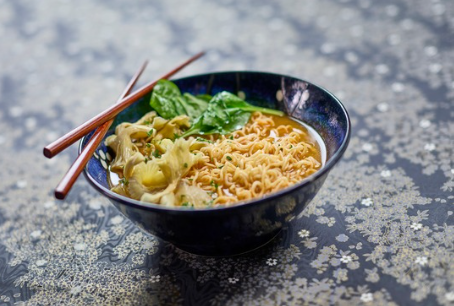
Saba-bushi can also be mixed with other dried fish to create a complex dashi broth for ramen.
May contain traces of shellfish
Data sheet
 Constance S.

Perfect (Translated review)
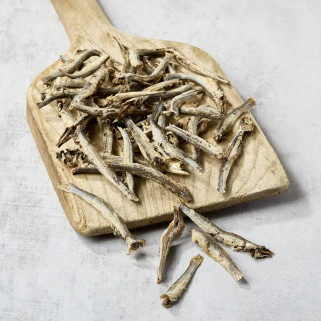
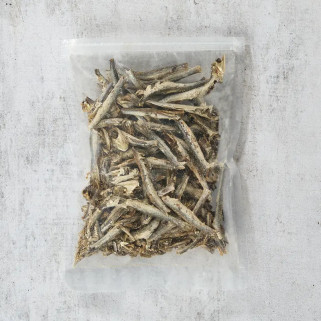
Saba-bushi expresses the rich, savory depth of mackerel and offers a distinct and delicious fish dashi experience.
Dashi is basically a Japanese broth, but it is much more than just a broth. It is the savory heart of a wide variety of Japanese dishes. The word dashi literally means “to extract the broth,” referring to the process of extracting flavor from ingredients.

ALCOHOL ABUSE IS DANGEROUS FOR YOUR HEALTH. CONSUME IN MODERATION. CONSUMING ALCOHOLIC BEVERAGES DURING PREGNANCY, EVEN IN SMALL QUANTITIES, CAN HAVE SERIOUS CONSEQUENCES FOR THE HEALTH OF THE CHILD.


FAQ