

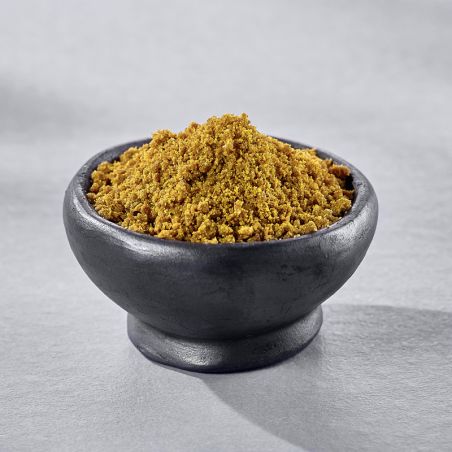

Ref : NISTAA2
Japanese curry is famous throughout the world. Thicker and stickier than Indian curry, it is also not as strong and very fragrant.
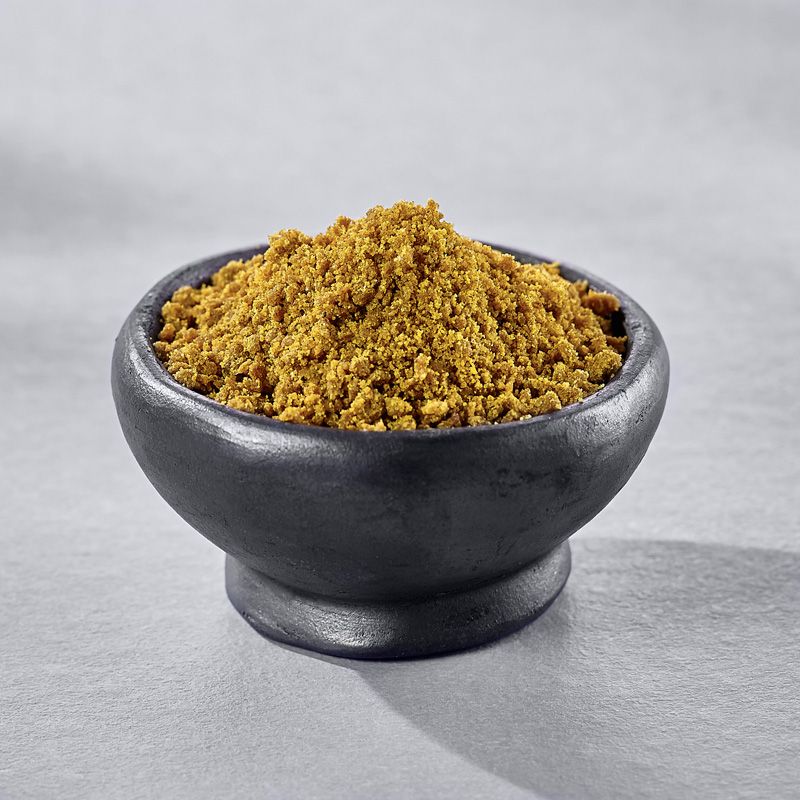
Our red curry is made from ingredients cooked at a low temperature.
Delicately scented with specially selected ingredients, this red curry develops subtle, fruity, intense aromas.
Our Perfect combination : it is cooked slowly, never at too high a temperature so as not to distort the aromas and flavors. It is made by hand in small quantities.
Prior to packaging, the powder is left to rest at a low temperature to allow each ingredient to be drawn out.
Enjoy with white rice. You can replace the beef with pork or chicken, minced meat, veal or seafood.
Data sheet
 Patrick P.

ok! (Translated review)
Véronique S.
With 1kg to distribute widely around me, as it's an essential ingredient in Japanese curry. (Translated review)
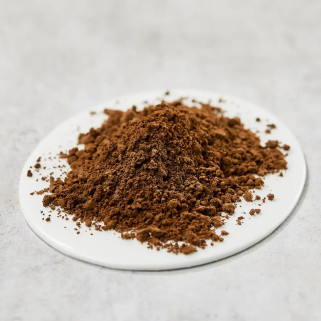
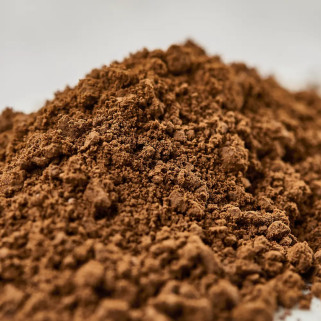
Japanese curry is famous throughout the world. Thicker and stickier than Indian curry, it is also not as strong and very fragrant.

ALCOHOL ABUSE IS DANGEROUS FOR YOUR HEALTH. CONSUME IN MODERATION. CONSUMING ALCOHOLIC BEVERAGES DURING PREGNANCY, EVEN IN SMALL QUANTITIES, CAN HAVE SERIOUS CONSEQUENCES FOR THE HEALTH OF THE CHILD.


FAQ