




Ref : NISKITSHI1
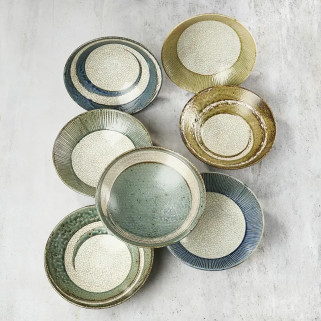
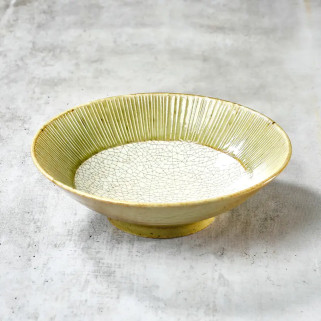
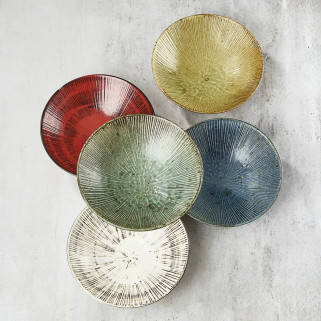
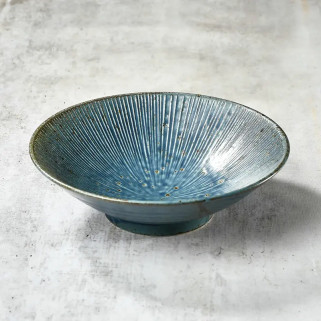
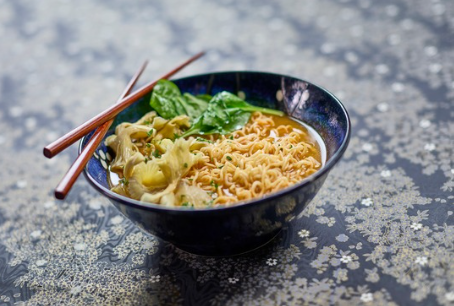
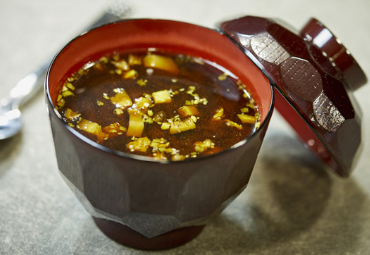
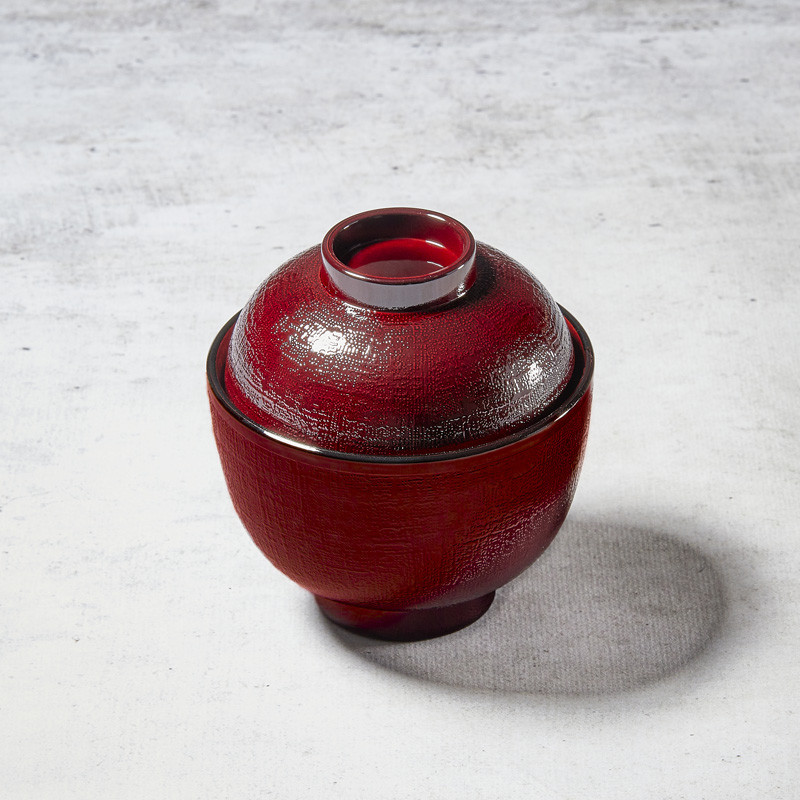
Bowls are an integral part of Japanese cooking.
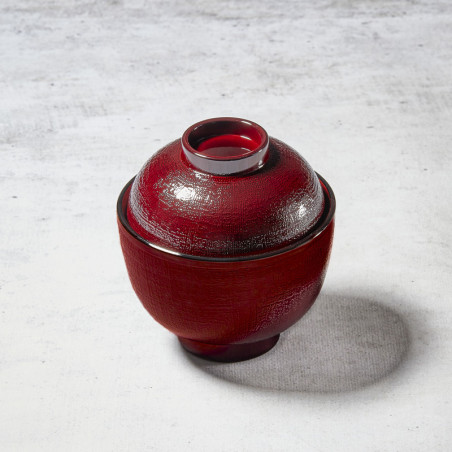
Those dedicated to miso soup are traditionally made of wood, lacquered, but relatively fragile.
They are used for every daily meal.
Miso soup bowls must imperatively fit in the hand.
"溜tame" is a color and is used to describe bowls color. Tame-nuri is a type of lacquering technique used to finish lacquerware in the same way as Kuro-nuri (black) and Shu-nuri (scarlet red).
Most common color of Tame-nuri is Azuki or Enji (both are a kind of deep red violet), which is the sole color of lacquerware.
Tame-nuri is a soft color loved by all Japanese people.
There is a version of the story that the name "溜tame" comes from tamari soy sauce color.
Tamari soy sauce is used for sashimi and teriyaki sauce, and is rich in flavor and color.
Tamari lacquerware is very popular not only in Japan but also in other countries because of its "Japanese" flavor like soy sauce. Bowls we propose here are made of high quality ABS resin with the look of traditional lacquer.
Data sheet
 Loïc L.

Nothing to report (Translated review)
Michel R.
Fits me perfectly (Translated review)
Bowls are an integral part of Japanese cooking.
Those dedicated to miso soup are traditionally made of wood, lacquered, but relatively fragile.
They are used for every daily meal.
Miso soup bowls must imperatively fit in the hand.

ALCOHOL ABUSE IS DANGEROUS FOR YOUR HEALTH. CONSUME IN MODERATION. CONSUMING ALCOHOLIC BEVERAGES DURING PREGNANCY, EVEN IN SMALL QUANTITIES, CAN HAVE SERIOUS CONSEQUENCES FOR THE HEALTH OF THE CHILD.


FAQ